Explore More in English Songs
Introduction:
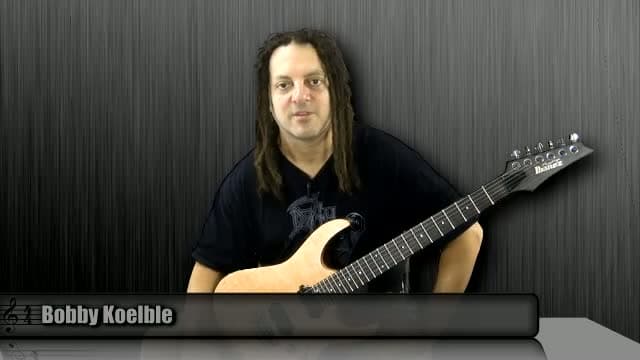
Torrins brings you another electrifying guitar lesson "Crystal Mountain by Death", taught by none other than Bobby Koelble, one of the original guitarists on the track. This lesson breaks down the intricate riffs, solos, and powerful progressions that make this song a metal masterpiece.
Fun Fact: Crystal Mountain was inspired by Chuck Schuldiner’s real-life experiences with his not-so-friendly next-door neighbour. Their unpleasant interactions fueled the aggression and emotion behind this legendary track!
Tuning & Gear
- Tuning: Standard tuning down a whole step.
- Use the provided tabs for a more comprehensive learning experience.
Song Breakdown
This lesson is structured into multiple sections to make learning seamless:
- Introduction
- Intro Riff
- Verse
- Chorus
- Bridge
- Solo-Tapping Section
- Main Solo
- Acoustic Solo
- Song Demo (Chuck’s Part)
- Song Demo (Bobby’s Part)
- Full Song Demo (Combining All Parts)
Chords & Riffs in Crystal Mountain
Intro Riff
- The first 8 bars feature power chords like E, Bb, and F, with vibrato. Tune in to the lesson to learn the rest of the chords.
- The second half of the intro is harmonised down a perfect 5th.
- Scale: E Harmonic Minor.
Verse
- The Am chord is played with a variation in arpeggio.
- Includes F power chords and some single notes, along with other chords.
- Heavy distortion is used to achieve that signature Death sound.
Chorus
- Chorus features single notes and an active midsection involving the open 5th string.
- Chuck Schuldiner added an intricate melody over the chorus section. Bobby walks you through this in detail.
Bridge
- It begins with power chords in the rhythm track.
- It is layered with harmonised single-note phrases on top
Solo Sections
Tapping Solo
- This solo features harmonised tapping licks at the 12th fret.
Main Solo
- Chuck’s solo—short but iconic.
- It is in the key of G# minor.
- Uses triplets and expressive vibrato.
Acoustic Solo
- An acoustic solo is a rare touch in a Death song! Bobby demonstrates 4 simple acoustic licks to round off the song.
Final Song Demo
After breaking down every section, Bobby dedicates three lessons to the song demo:
- Chuck’s part
- His own part
- The full song, combining all elements
Why Learn Crystal Mountain?
- Learning this song will help you master intricate picking techniques.
- It will also help you understand harmonised riffs and solos.
- It will expand your knowledge of scales and metal phrasing.
FAQs – Crystal Mountain Guitar Lesson
Q1. Is this lesson suitable for beginners?
A: This lesson is best suited for intermediate to advanced players because of its complex chords and solos.
Q2. What is the most challenging part of the song?
A: The solo-tapping section and harmonised melodies require precise technique and practice.
Q3. Can I play this without tuning down?
A: Yes, you can, but tuning down a whole step helps achieve the authentic Death sound.


Introduction
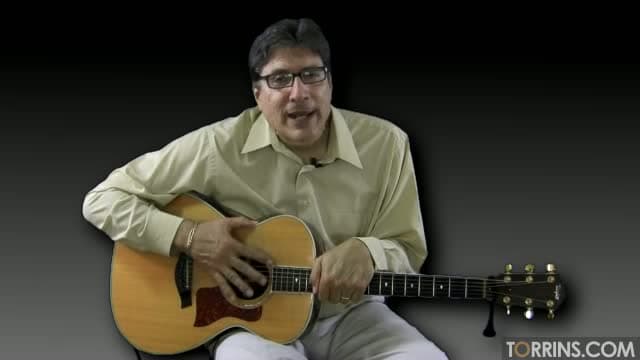
Tune into a simple fingerpicking guitar song lesson on "Goodbye Blue Sky" on Torrins. This lesson is led by our instructor, Steve Luciano, who breaks down the various sections of the song for easy understanding. This Goodbye Blue Sky guitar tutorial covers the strumming pattern, fretting, and rhythm techniques that make this song sound so great.
Interesting Fact: The song’s soft, almost lullaby-like melody is a stark contrast to its dark theme of war and destruction. Roger Waters wrote it as a reflection of his childhood memories of the London Blitz during World War II. The track opens with a child's voice saying, "Look, mummy, there's an aeroplane up in the sky!"—a chilling moment that symbolizes the innocence of youth being shattered by the horrors of war.
Chords & Tuning
"Goodbye Blue Sky" is a simple fingerpicking song. Before getting started, tune your 6th string to Drop D—this gives the song its deep, resonant tone.
Fingerpicking Pattern
The fingerpicking technique adds an intricate and melodic touch to this song while keeping the rhythm steady, making this song perfect for practising control and precision.
Song Structure & Techniques
The song kicks off with a repeating section that features pull-offs, adding a smooth, connected feel to the melody. This section repeats four times and helps build fluidity in your playing. If you’re still getting comfortable with pull-offs, be sure to explore our in-depth lesson on this essential technique.
As the arrangement develops, you’ll come across hammer-ons, which lend a punchier articulation to the notes. Steve also incorporates power chords, specifically B and F#, along with an open G, contributing to a fuller, more dynamic sound. Later in the progression, he introduces barre chords across the 2nd and 3rd strings, creating a seamless, flowing texture. These techniques come together to give the song its distinct blues-rock character while helping you improve precision and control.
Learning Made Easier
The 3-angle camera view makes learning such songs so much easier. With dedicated angles on strumming, fretting, and an overall view, you get a detailed, close-up look at all the intricate finger movements, helping you learn efficiently and effectively.
Pro Tip for Mastering the Song
Steve recommends breaking the song into sections and practising each part individually before putting everything together. This will ensure you develop muscle memory for clean and precise playing.
FAQs – "Goodbye Blue Sky" Guitar Lesson
Q1. Is this song beginner-friendly?
A: While the song follows a simple fingerpicking style, it requires coordination and control. It's great for beginners looking to build finger independence and practice melodic fingerpicking.
Q2. Do I need to use a pick for this song?
A: No, this song is best played with fingerpicking, which gives it its signature soft and flowing sound.
Q3. What’s the best way to improve my fingerpicking accuracy?
A: Slow down and focus on precision before building up speed. Keep your right hand relaxed, and ensure each note rings out clearly.





Introduction:
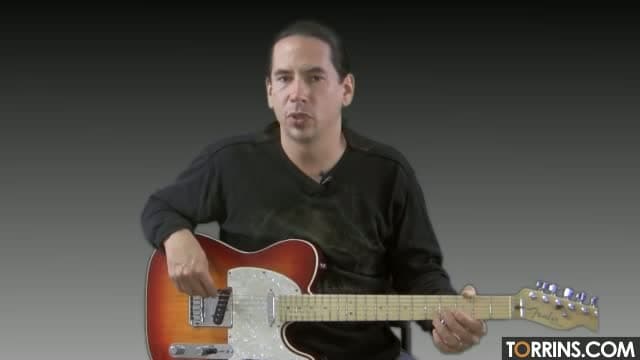
Torrins brings you another country sing-and-play lesson "You Ain’t Goin’ Nowhere", recorded by The Byrds and originally written by Bob Dylan. Taught by Mike Dugan, this lesson makes it easy for anyone to learn, whether you’re just starting out or looking to refine your rhythm and strumming technique.
Fun Fact: Bob Dylan wrote You Ain’t Goin’ Nowhere in 1967 during his self-imposed exile following a motorcycle accident. The Byrds later popularized the song with their signature country-rock sound.
Chords & Song Structure
This song is played in the key of G and follows a simple country chord progression, making it a very easy song to learn and play for players of all skill levels.
Chords Used - G, Am, and others. Mike walks through the finger placements and transitions, ensuring you get a smooth chord change.
The lesson also covers chord distribution across measures, making it easy to follow along and learn.
Strumming Pattern & Rhythm
The song has two strumming approaches:
- Beginner-Friendly Strumming – Simple downstrums that keep the rhythm steady and easy to sing along with.
- Advanced Strumming – For players looking to add more depth, Mike introduces a DDUDD pattern, explaining where to add accents for a more dynamic sound.
The lesson also includes tips on rhythm timing to attain the song’s natural flow.
Sing & Play
One of the biggest challenges for many players is singing while playing. Mike breaks down the coordination between vocals and guitar, showing:
- Which words align with downstrums
- Where to pause or hold a chord
- How to gradually add complexity to your strumming without losing the vocal flow
If you want to be the life of the party, this lesson will help you sing and play smoothly, even if you’ve never done it before. So, get your guitar ready and start strumming along to this timeless country classic today.
Final Playthrough – Bringing It All Together
Mike plays through the entire song twice—once with the beginner strumming pattern and then with the advanced version. The song has a retarded (slowed-down) ending, which he explains in the end.
He also advises starting with simple strumming, building confidence, and then progressing to advanced strumming techniques.
Why Learn You Ain’t Goin’ Nowhere?
Perfect for beginners – The song has easy chords, simple structure, and a laid-back strumming pattern.
Great for sing-alongs – It will help you learn how to balance vocals and guitar.
Ideal for country and folk lovers – The song has a classic country rhythm and storytelling approach to the lyrics.
FAQs – You Ain’t Goin’ Nowhere Guitar Lesson
Q1: Is this lesson beginner-friendly?
Yes! This lesson is one of the easiest sing-and-play songs to learn on Torrins.com.
Q2: What if I struggle with advanced strumming?
Stick with the basic downstrums first. Once you're comfortable, move on to the DDUDD pattern with accents.



Introduction:
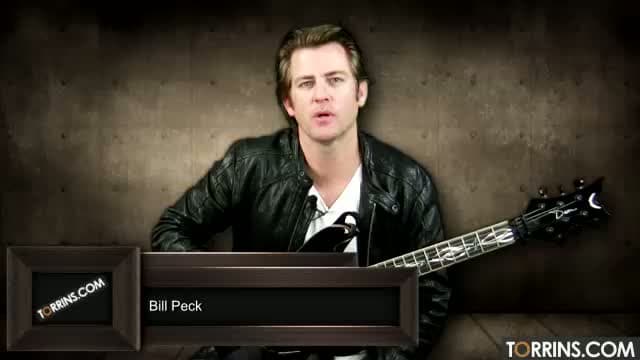
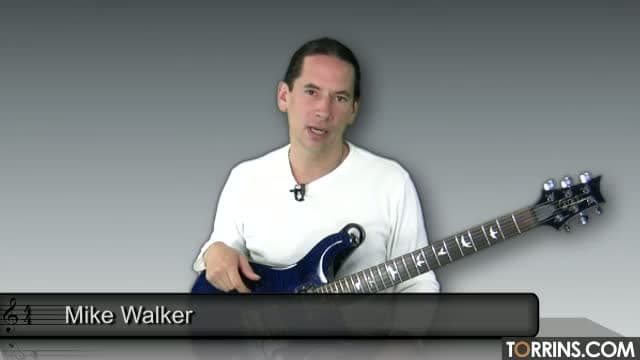
Torrins brings you another heartfelt guitar song lesson I Will Be Here by Steven Curtis Chapman, taught by J.J. Pattishall. This lesson focuses on fingerpicking, chord transitions, and rhythm techniques, making it a great song to develop both your picking accuracy and emotional expression.
Interesting Fact: This song carries deep personal meaning. Chapman wrote it as a promise to his wife during a difficult time when his parents were going through a divorce. It became one of his most beloved songs, offering reassurance and commitment through its lyrics and melody.
Chords & Song Structure
This lesson breaks the song into easy-to-follow sections: Intro & Verse, Chorus, Bridge, Song Demo, Rhythm, and Sing & Play.
Capo is on the 1st fret
Key used is D (relative to capo), actual tuning is Eb
Chords Used:
- Intro & Verse: Dsus2, A7sus4, Bm (a barre chord), Em7, and others
- Chorus: Bm/A, A/G, D/F#, and more
- Bridge: Includes a diminished chord and a piano/instrumental section
J.J. shares some alternatives for the difficult chords such as barre chords.
The chords are arpeggiated, giving the song its signature flow. J.J. carefully explains finger placement and picking techniques to help you achieve the song’s delicate feel.
Fingerpicking & Rhythm Patterns
This song features a beautiful fingerpicking pattern. J.J. breaks it down in detail, ensuring that even beginners can grasp the technique.
For those who find fingerpicking challenging, he also introduces two basic rhythm patterns as an alternative:
- DDUDDUDDUD – A straightforward strumming pattern
- DDUUDDDUUD – Adds syncopation for a more dynamic feel
Verse, Chorus & Bridge Breakdown
- Intro & Verse: J.J. carefully walks through the arpeggiated chords and explains how to maintain a steady rhythm. He also shares a technique to create a flowing fingerpicking style.
- Chorus: The transitions between chords like Bm/A, F#, A/G, and D/F# are broken down step by step. He highlights turnarounds, ensuring smooth movement between sections.
- Bridge: Features a diminished chord, adding tension and resolution to the song. J.J. also explains the piano and instrumental section.
Sing & Play – Coordinating Vocals & Guitar
This lesson doesn’t just teach you how to play the guitar part—it also helps you combine playing with singing. J.J. explains:
- How to sync your strumming or fingerpicking with the lyrics
- Phrasing techniques to match the melody with chord changes
- How to make the song your own while staying true to its essence
Final Song Demo & Play-Along
To bring everything together, J.J. performs the song with a backing track, reinforcing all the techniques covered in the lesson. This play-along section lets you practice along and refine your timing and transitions.
Why Learn I Will Be Here?
- Develops fingerpicking skills – great for improving coordination and technique
- Enhances chord transitions – teaches smooth movement between complex shapes
FAQs – I Will Be Here Guitar Lesson
Q1: Is this lesson beginner-friendly?
Yes! While the fingerpicking and chord shapes may seem tricky at first, J.J. provides simplified alternatives and a step-by-step breakdown.
Q2: Can I strum instead of fingerpick?
Absolutely. J.J. introduces two strumming patterns for those who prefer a rhythmic approach.
Q3: Do I need a capo?
Yes, place the capo on the 1st fret to match the song’s key.