Nothing Else Matters
Introduction
Intro Piece - Part 1
Intro Piece - Part 2
Verse
Chorus
Interlude
Chorus, Solo Rhythm, and Outro
Solo Lesson
Overdubs
Song Demo
No Description Available
Nothing Else Matters
Introduction
Intro Piece - Part 1
Intro Piece - Part 2
Verse
Chorus
Interlude
Chorus, Solo Rhythm, and Outro
Solo Lesson
Overdubs
Song Demo
Explore More in English Songs


Introduction:
Torrins brings you an electrifying guitar lesson—Symphony of Destruction by Megadeth, taught by Clay Foster. This heavy-hitting metal track is part of our guitar song lesson series and is broken down into easy-to-follow sections.
Fun Fact: In an interview, vocalist Dave Mustaine shared that the lyrics for Symphony of Destruction were sparked by a headache he got while driving home. He scribbled the first lines on the back of a sushi receipt—“My metal brain’s corroding, my head is going to explode.” That spontaneous moment led to one of Megadeth’s most iconic songs, recorded on their fifth studio album Countdown to Extinction in 1992.
Song Arrangement
The song is taught in separate segments so you can master each part before moving to the next.
The song is in the key of E.
Verse
Verse is built around the F power chord and an open E power chord, along with other chords.
Downstrokes and palm muting are used in the verse—make sure to mute the strings to avoid letting notes ring out too long. Clay shares techniques like using your thumb or extra fingers to stop the sound cleanly.
Pre-Chorus
Features open palm muting and chromatic downs, creating that tight, chugging rhythm. Our lessons have a 3-angle video setup so you can clearly see hand positions and copy along easily.
Chorus
This section opens up with ringing E chords and a chromatic descending run. Chords like Bb, G#, and the D power chord makes the chorus sound more intense. Though it’s slightly more complex than the verse, Clay carefully breaks down the finger positioning and covers some fingerpicking techniques to help you through it.
After the first chorus, the main riff returns and leads into the second verse and pre-chorus, just like earlier.
The second chorus is a bit longer. The first half mirrors the first chorus, while the second half introduces new elements. Clay walks you through the difference so you can follow along confidently.
Solo Lesson
Clay breaks down the guitar solo into manageable sections.
- The first part has a bluesy riff with vibrato, bending, and palm muting.
- The second part is a 16-note rhythmic figure built around the Am6 chord, featuring some sliding techniques.
- Tune into the lesson to learn each section in detail and pick up essential phrasing skills along the way.
Sound and Tone
To capture the song’s feel, Clay dives into the tone settings. The tone is mid-rangy, which is a signature sound of Marty Friedman. Clay recommends listening to some of Friedman’s work to understand the sweet, expressive tone he’s known for.
For gear settings, Clay suggests using the middle pickup to replicate that tone more accurately.
Song Demo
The lesson wraps up with a full song demo, where Clay ties everything together. You can play along with him to practice transitions, polish your technique, and check your accuracy in real time.
FAQs – Symphony of Destruction Guitar Lesson
Q1: Is this song beginner-friendly?
Yes. While it has a few technical sections, the lesson breaks everything down clearly and provides enough guidance for newer players.
Q2: Do I need specific gear for the tone?
Clay suggests using a mid-range-focused setting with the middle pickup to get closer to Marty Friedman's tone. However, you can start with what you have and tweak as needed.
Q3: Is the solo hard to learn?
It’s approachable when broken into parts. Clay walks you through each phrase, so with some practice, you’ll be able to nail it.








Introduction
Welcome to the bass lesson for Have You Ever Seen the Rain (Smokie version). Originally written by John Fogerty and released by Creedence Clearwater Revival in 1971, this timeless classic has been covered by many artists, including Smokie on their 1995 album The World and Elsewhere.
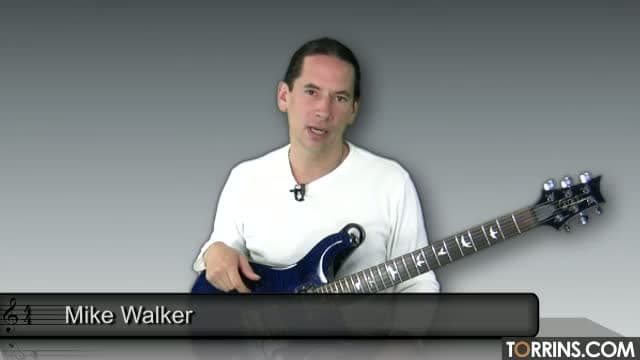
This lesson is taught by Mike Walker and is set in the key of C with standard tuning. It’s a straightforward yet expressive song, making it perfect for both beginners looking to sharpen their technique and intermediate players who want to refine their timing and feel.
Lesson Breakdown
Mike takes a step-by-step approach to make learning smooth and approachable.
- Intro: The intro starts with a short, tasteful lick that begins on the G string before moving to the low E. Mike also demonstrates a subtle twist here: taking the 5th of the note lower instead of the usual higher, which adds a unique flavor to the line. This is followed by another short lick, carefully broken down so you can catch every nuance.
- Verse: The verse introduces a light hammer-on lick and moves back and forth between the G and C strings. It also includes a simple but effective walking bass line. Mike explains each step slowly, highlighting when to use chromatic movements and when to hold back, making it very beginner-friendly.
- Chorus: In the chorus, Mike divides the section into smaller movements for easier learning. He also explains how to lock in your groove with the guitar and drums to create a tight rhythm section feel.
- Underneath the Guitar Solos: You’ll also learn what’s happening in the bass line beneath the guitar solos. This part involves a subtle kick-drum-inspired rhythm, moving across the frets using four key chords to keep the groove steady.
Once all the sections are covered, Mike ties it all together by playing the full arrangement along with a backing track. This demo helps reinforce everything you’ve learned and is perfect for practising your transitions smoothly.



Similar Metal Songs


Introduction:
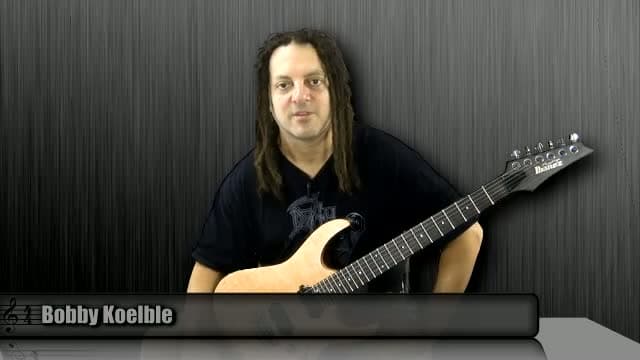
Torrins brings you another electrifying guitar lesson "Crystal Mountain by Death", taught by none other than Bobby Koelble, one of the original guitarists on the track. This lesson breaks down the intricate riffs, solos, and powerful progressions that make this song a metal masterpiece.
Fun Fact: Crystal Mountain was inspired by Chuck Schuldiner’s real-life experiences with his not-so-friendly next-door neighbour. Their unpleasant interactions fueled the aggression and emotion behind this legendary track!
Tuning & Gear
- Tuning: Standard tuning down a whole step.
- Use the provided tabs for a more comprehensive learning experience.
Song Breakdown
This lesson is structured into multiple sections to make learning seamless:
- Introduction
- Intro Riff
- Verse
- Chorus
- Bridge
- Solo-Tapping Section
- Main Solo
- Acoustic Solo
- Song Demo (Chuck’s Part)
- Song Demo (Bobby’s Part)
- Full Song Demo (Combining All Parts)
Chords & Riffs in Crystal Mountain
Intro Riff
- The first 8 bars feature power chords like E, Bb, and F, with vibrato. Tune in to the lesson to learn the rest of the chords.
- The second half of the intro is harmonised down a perfect 5th.
- Scale: E Harmonic Minor.
Verse
- The Am chord is played with a variation in arpeggio.
- Includes F power chords and some single notes, along with other chords.
- Heavy distortion is used to achieve that signature Death sound.
Chorus
- Chorus features single notes and an active midsection involving the open 5th string.
- Chuck Schuldiner added an intricate melody over the chorus section. Bobby walks you through this in detail.
Bridge
- It begins with power chords in the rhythm track.
- It is layered with harmonised single-note phrases on top
Solo Sections
Tapping Solo
- This solo features harmonised tapping licks at the 12th fret.
Main Solo
- Chuck’s solo—short but iconic.
- It is in the key of G# minor.
- Uses triplets and expressive vibrato.
Acoustic Solo
- An acoustic solo is a rare touch in a Death song! Bobby demonstrates 4 simple acoustic licks to round off the song.
Final Song Demo
After breaking down every section, Bobby dedicates three lessons to the song demo:
- Chuck’s part
- His own part
- The full song, combining all elements
Why Learn Crystal Mountain?
- Learning this song will help you master intricate picking techniques.
- It will also help you understand harmonised riffs and solos.
- It will expand your knowledge of scales and metal phrasing.
FAQs – Crystal Mountain Guitar Lesson
Q1. Is this lesson suitable for beginners?
A: This lesson is best suited for intermediate to advanced players because of its complex chords and solos.
Q2. What is the most challenging part of the song?
A: The solo-tapping section and harmonised melodies require precise technique and practice.
Q3. Can I play this without tuning down?
A: Yes, you can, but tuning down a whole step helps achieve the authentic Death sound.