Introduction
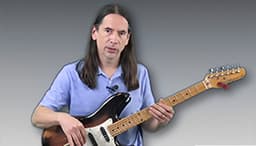
Bohemian Rhapsody – Introduction
Welcome to the guitar lesson on what is referred to as the greatest rock song of all time, Bohemian Rhapsody by Queen. It is a 6-minute ‘suite’ –a musical performance that typically includes four or five dances, according to Western classical music. But Bohemian Rhapsody is nothing like a classical piece. It is, in fact, the opposite of a classical piece. It is an alternative rock song parodying orchestral music.
Freddie Mercury was born to Parsi-Indian parents in Zanzibar, which is an island town on the east coast of Africa. After the Zanzibar revolution began, they had to flee to Middlesex, England, to save their lives. Since that is the environment Freddie grew up around, it makes sense for him to choose alt-rock and prog-rock as his genres.
Bohemian Rhapsody Guitar Lesson
The lesson on this song is taught by our beloved expert, Mike Walker, who explains all the different sections of the song –and there are many –in the simplest of ways. The lesson is divided into multiple sections, explaining all the parts of the song section by section –from the intro that talks about the chords and different voicings of those chords, to the rhythms and solos of the song.
The song contains an iconic intro, a ballad segment, an orchestral passage, a rock progression, an iconic solo, and an outro. It is almost as if the song is a contraption of multiple songs. Consequently, it has a number of chords and key changes. The instructor, though, gives time to explain all the changes meticulously.
The song follows the following keys: B♭ Major, E♭ Major, A Major and F Major. With most of the chords being non-standard shapes, for instance, the intro features flat-6 and 7th chords, and minor 7th chords. There is a motif in the verse that makes the section iconic –a set of repeating two notes –G to F while on a Bb chord, A to G on the Gmin, and D to C on the Cmin. The instructor shows how to play it in great detail and along with the original track.
Another iconic part of the song is Brian May’s guitar solo, which has been deemed one of the greatest solos of all time. Featuring a guitar that Brian built in his garage, sloppy vibratos, dynamics, and pure emotional playing make it one of the greatest.
The lesson also has a breakdown of the main solo and the outro solo, including the rhythm distortion guitar parts as well, shown in full by the tutor.
Q. Is Bohemian Rhapsody playable on an acoustic guitar?
Yes, once you master the chord shapes, you can easily play the fingerstyle version of the song and sing along.
Q. What effects does Brian May use?
Brian used a Phaser pedal into a treble booster that then went into a Vox AC30.
Q. How do I sing and play this at the same time?
Practice playing the chords first. The ballad actually follows the vocal melody and so mastering the chords can easily get you there.
Bohemian Rhapsody
Introduction
Section A
Section B
Section C
Section D
Electric Distortion Section
Guitar Lead Part 1
Guitar Lead Part 2
Solo 1
Solo 2
Outro Lick
Bohemian Rhapsody – Introduction
Welcome to the guitar lesson on what is referred to as the greatest rock song of all time, Bohemian Rhapsody by Queen. It is a 6-minute ‘suite’ –a musical performance that typically includes four or five dances, according to Western classical music. But Bohemian Rhapsody is nothing like a classical piece. It is, in fact, the opposite of a classical piece. It is an alternative rock song parodying orchestral music.
Freddie Mercury was born to Parsi-Indian parents in Zanzibar, which is an island town on the east coast of Africa. After the Zanzibar revolution began, they had to flee to Middlesex, England, to save their lives. Since that is the environment Freddie grew up around, it makes sense for him to choose alt-rock and prog-rock as his genres.
Bohemian Rhapsody Guitar Lesson
The lesson on this song is taught by our beloved expert, Mike Walker, who explains all the different sections of the song –and there are many –in the simplest of ways. The lesson is divided into multiple sections, explaining all the parts of the song section by section –from the intro that talks about the chords and different voicings of those chords, to the rhythms and solos of the song.
The song contains an iconic intro, a ballad segment, an orchestral passage, a rock progression, an iconic solo, and an outro. It is almost as if the song is a contraption of multiple songs. Consequently, it has a number of chords and key changes. The instructor, though, gives time to explain all the changes meticulously.
The song follows the following keys: B♭ Major, E♭ Major, A Major and F Major. With most of the chords being non-standard shapes, for instance, the intro features flat-6 and 7th chords, and minor 7th chords. There is a motif in the verse that makes the section iconic –a set of repeating two notes –G to F while on a Bb chord, A to G on the Gmin, and D to C on the Cmin. The instructor shows how to play it in great detail and along with the original track.
Another iconic part of the song is Brian May’s guitar solo, which has been deemed one of the greatest solos of all time. Featuring a guitar that Brian built in his garage, sloppy vibratos, dynamics, and pure emotional playing make it one of the greatest.
The lesson also has a breakdown of the main solo and the outro solo, including the rhythm distortion guitar parts as well, shown in full by the tutor.
Q. Is Bohemian Rhapsody playable on an acoustic guitar?
Yes, once you master the chord shapes, you can easily play the fingerstyle version of the song and sing along.
Q. What effects does Brian May use?
Brian used a Phaser pedal into a treble booster that then went into a Vox AC30.
Q. How do I sing and play this at the same time?
Practice playing the chords first. The ballad actually follows the vocal melody and so mastering the chords can easily get you there.
Bohemian Rhapsody
Introduction
Section A
Section B
Section C
Section D
Electric Distortion Section
Guitar Lead Part 1
Guitar Lead Part 2
Solo 1
Solo 2
Outro Lick
Explore More in English Songs











Introduction:
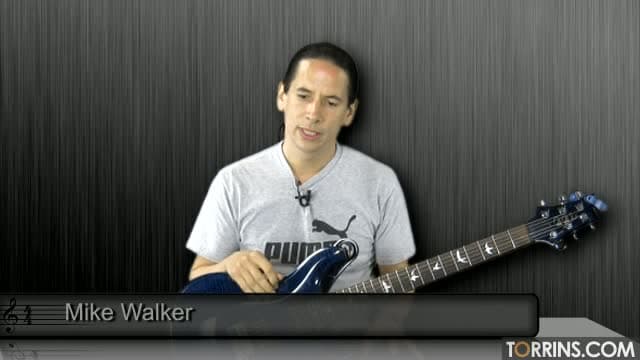
Torrins brings you a detailed lesson on Hotel California by The Eagles, taught by Mike Walker. This song is a rock guitar masterpiece, featuring multiple guitar parts, intricate solos, and the signature 12-string acoustic intro that every guitarist wants to master.
To ensure a smooth learning experience, this lesson includes tabs and lyrics and breaks down each guitar part step by step.
Fun Fact: In 1998, during their induction into the Rock and Roll Hall of Fame, all seven Eagles members performed Hotel California together for the only time ever.
Chords, Rhythm, & Song Arrangement
This lesson covers multiple guitar parts, from acoustic rhythm to electric lead work.
- Guitar 1: The 12-string acoustic intro played by Steve Luciano.
- Guitar 2: Played on an acoustic guitar, covering the main chord progression with precise picking patterns. This part starts with an open D chord and moves through a D major triad.
- Chords Used: D, Em, F#m, Bm, and more. Mike breaks down which strings to leave open and which to mute for the perfect sound.
- Guitar 3 (Reggae Section): A muted electric guitar rhythm that appears in the verse section. Played in the key of B minor, with movable F# and E9 chords. It also has some inverted chords. The strumming pattern follows a downstroke with an open fretboard, followed by a down-up motion. Tune into the learn it seamlessly by the pro!
- Guitar 4 (Muted Clean Part): A subtle section that introduces muting techniques and power chords, adding to the song's dynamic feel.
- Guitar 5 & Guitar 6: These sections introduce lower and higher harmonies, reinforcing the layered guitar arrangement.
Mike walks through each of these sections in detail, ensuring you can replicate the exact feel of the original recording.
Lead Guitar-Licks & Solos
- Overdub Licks: The first chorus features a double-stop lick with hammer-ons and pinch harmonics.
- Three Guitar Solos: The solos blend B minor pentatonic, B minor, and B harmonic minor scales. Some licks focus on bends, slides, and expressive phrasing.
- Outro Solo: Features two interwoven guitar parts, with the first part built around arpeggios like the B minor arpeggio.
Mike takes you through each solo note by note, showing how to nail the tone and phrasing of this legendary song.
Beginner-Friendly Chord Progression
If you're not ready to tackle all the guitar layers, Mike provides a simplified chord progression that lets beginners play along with the song.
- Chords Used: A, E, F#m, Em, and others.
- Alternative Strumming Pattern: A beginner-friendly rhythm variation to match the song’s feel.
Why Learn Hotel California?
- Essential for Rock Guitarists – It is one of the most recognizable intros and solos in rock history.
- Teaches Advanced Techniques – This song includes various techniques like fingerpicking, muting, harmony lines, and expressive soloing.
- Perfect for Rhythm & Lead Players – The song covers both acoustic strumming and intricate lead work.
FAQs – Hotel California Guitar Lesson
Q1: Is this lesson beginner-friendly?
While the original song is challenging, the lesson includes simpler chord progressions and rhythm parts for beginners.
Q2: What techniques will I learn?
Muted strumming, harmony playing, arpeggios, lead phrasing, and solo improvisation techniques.


Similar Rock Songs


Introduction:
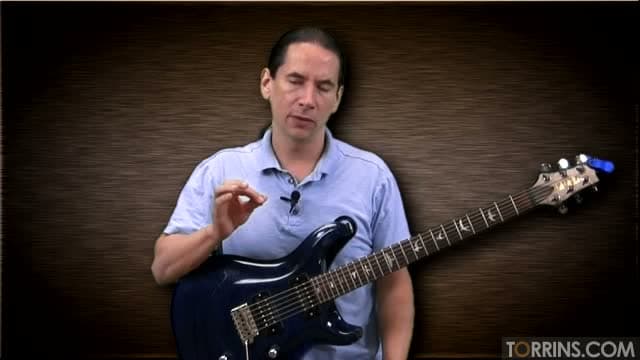
Looking to learn one of the most heartfelt love ballads ever written? Then this song tutorial of Eric Clapton’s hit song is a must-watch for you. This "Wonderful Tonight" guitar lesson, taught by Mike Dugan, breaks down the song into an easy-to-follow tutorial that’s perfect for both beginners and advanced players. Mike teaches you how to sing as well as play the song.
Fun Fact: Eric Clapton wrote "Wonderful Tonight" while waiting for his then-girlfriend, Pattie Boyd, to get ready for an event. Despite its simplicity, the song became his most downloaded track on Spotify, with over 480 million streams!
Chords Used in "Wonderful Tonight"
This lesson is taught in the key of G major, and it primarily uses open chords, making it accessible to beginners. Some of the main chords include:
- G
- Em
- D/F#
The lesson also covers additional chords and variations—tune in to discover them all!
Strumming Pattern & Rhythm Techniques
- Beginner-Friendly Strumming: Basic downstrums to ensure smooth transitions between chords.
- Advanced Strumming: The tutorial also covers a more complex strumming pattern used in the original recording. This involves subdivisions, where each beat is split into four 16th notes, creating a rhythmic groove with an alternate strumming pattern (DUDUDU) with accents.
- Special Techniques: The instructor introduces a unique method for adding accents, perfect for players looking to elevate their rhythm skills. Tune in to the lesson to learn how to do it.
Song Structure Breakdown
This tutorial follows the song’s original structure, making it easier to follow:
- Intro (played twice)
- Verse 1
- Intro section again
- Verse 2
- Bridge
- Intro played twice
- Verse 3 with a tag ending
- Intro played twice to fade out
Tip: The intro shares a similar progression to the first part of the verse, making it easier to grasp.
Walk-Down Technique & Chord Transitions
One of the standout features of this lesson is the walk-down technique, where the bass notes descend smoothly between chords. Mike provides a step-by-step breakdown of positioning complex chord shapes and making smooth transitions.
Sing & Play Lesson
Want to sing while playing? This lesson dedicates a section to teaching how to play and sing simultaneously, helping learners match their strumming with the song’s vocal phrasing.
Final Play-Along & Bonus Lesson
- The lesson ends with a play-along section featuring a backing track, allowing learners to practice the entire song with professional accompaniment.
- For a more in-depth approach to playing "Wonderful Tonight" in an authentic style, check out Steve Luciano’s version, which focuses on the intricacies of the guitar work of the song.
FAQs – "Wonderful Tonight" Guitar Lesson
Q1. Is this song beginner-friendly?
Yes! With just a few open chords and a straightforward rhythm, it’s perfect for beginners.
Q2. How can I improve my strumming for this song?
Start with basic downstrums, then work on the subdivided 16th-note pattern with accents for a more authentic feel.



Introduction
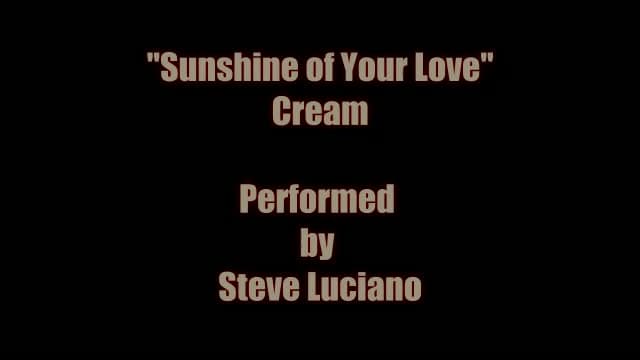
Do you want to learn a classic blues rock song—one that almost everyone has heard and can get anyone grooving? You’re exactly where you need to be. Tune into the guitar lesson for Cream’s Sunshine of Your Love on Torrins.com, led by our expert tutor Steve Luciano.
He breaks down this song into Introduction, Chords, Rhythm, and shares great tips on everything from finger positioning to chord transitions, to ensure a smooth learning journey. You can also find tabs and lyrics for this song, along with the guitar tutorial.
Chords Used in Sunshine of Your Love Song Tutorial
Verse & Chorus Chords: Power Chords
This song heavily relies on 5th root power chords (two-note chords made of the root note and its fifth), making it a must-learn for mastering chord transitions and control. Some of the chords used in this lesson are D, C, and Ab.
Mastering these chord transitions will significantly improve your power chord fluency.
Strumming & Rhythm Pattern
The rhythm alternates between a DDD pattern and a DUD pattern, giving the song its signature groove.
Song Structure
Sunshine of Your Love follows a 24-measure form, making it an excellent song for developing rhythm consistency and smooth chord shifts.
- The intro starts with a power chord on the 6th string
- A few measures later, the riff transitions to the 5th string (Make sure the 6th string is muted!)
- The position changes again as the song progresses
Steve also points out parts of the song where he uses string bending. It’s a technique that adds emotion and character to notes, often giving the song a signature bluesy rock vibe.
Why Learn Sunshine of Your Love Song on Guitar?
Learning how to play this song on guitar helps you master techniques like string bending and gain fluency over power chords. Learning these techniques helps you add expressive dynamics to your playing, and power chords are essential for classic rock and blues.
Sunshine of Your Love is a perfect song to add to your repertoire if you wish to develop better finger positioning & control and enhance your rhythm skills with a structured song.
FAQs – Sunshine of Your Love Guitar Lesson
Q1: Can I learn the song Sunshine of Your Love on guitar without tabs and lyrics?
Sure, it’s possible — but why make it harder than it needs to be? The tabs and lyrics included in our tutorial are there to guide you through the structure, chord changes, and timing. Especially if you're still building confidence, they’ll save you hours of trial and error.
Q2: What techniques will this lesson help me improve?
This lesson is a goldmine for anyone looking to tighten their rhythm and power chord game. You'll get hands-on with strumming patterns, chord transitions, and some expressive string bending — all crucial techniques if you're aiming to play blues or classic rock with the right attitude and feel.
Fun Fact: The iconic riff of Sunshine of Your Love was directly inspired by Jimi Hendrix! After witnessing Hendrix's electrifying performance at London’s Saville Theatre on January 29, 1967, Cream’s bassist Jack Bruce went home and came up with the song’s signature riff that same night, and then the song was written on top of it. Guitarist Eric Clapton later described it as a tribute to Hendrix’s incredible playing.

Introduction
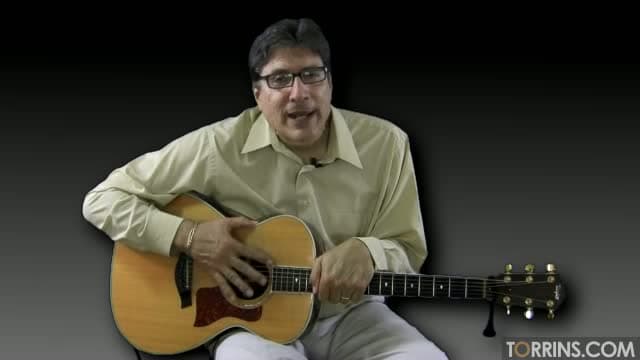
Tune into a simple fingerpicking guitar song lesson on "Goodbye Blue Sky" on Torrins. This lesson is led by our instructor, Steve Luciano, who breaks down the various sections of the song for easy understanding. This Goodbye Blue Sky guitar tutorial covers the strumming pattern, fretting, and rhythm techniques that make this song sound so great.
Interesting Fact: The song’s soft, almost lullaby-like melody is a stark contrast to its dark theme of war and destruction. Roger Waters wrote it as a reflection of his childhood memories of the London Blitz during World War II. The track opens with a child's voice saying, "Look, mummy, there's an aeroplane up in the sky!"—a chilling moment that symbolizes the innocence of youth being shattered by the horrors of war.
Chords & Tuning
"Goodbye Blue Sky" is a simple fingerpicking song. Before getting started, tune your 6th string to Drop D—this gives the song its deep, resonant tone.
Fingerpicking Pattern
The fingerpicking technique adds an intricate and melodic touch to this song while keeping the rhythm steady, making this song perfect for practising control and precision.
Song Structure & Techniques
The song kicks off with a repeating section that features pull-offs, adding a smooth, connected feel to the melody. This section repeats four times and helps build fluidity in your playing. If you’re still getting comfortable with pull-offs, be sure to explore our in-depth lesson on this essential technique.
As the arrangement develops, you’ll come across hammer-ons, which lend a punchier articulation to the notes. Steve also incorporates power chords, specifically B and F#, along with an open G, contributing to a fuller, more dynamic sound. Later in the progression, he introduces barre chords across the 2nd and 3rd strings, creating a seamless, flowing texture. These techniques come together to give the song its distinct blues-rock character while helping you improve precision and control.
Learning Made Easier
The 3-angle camera view makes learning such songs so much easier. With dedicated angles on strumming, fretting, and an overall view, you get a detailed, close-up look at all the intricate finger movements, helping you learn efficiently and effectively.
Pro Tip for Mastering the Song
Steve recommends breaking the song into sections and practising each part individually before putting everything together. This will ensure you develop muscle memory for clean and precise playing.
FAQs – "Goodbye Blue Sky" Guitar Lesson
Q1. Is this song beginner-friendly?
A: While the song follows a simple fingerpicking style, it requires coordination and control. It's great for beginners looking to build finger independence and practice melodic fingerpicking.
Q2. Do I need to use a pick for this song?
A: No, this song is best played with fingerpicking, which gives it its signature soft and flowing sound.
Q3. What’s the best way to improve my fingerpicking accuracy?
A: Slow down and focus on precision before building up speed. Keep your right hand relaxed, and ensure each note rings out clearly.