Introduction

Unforgiven left a mark in the history of the rock and metal genre. This song was released by Metallica in 1991, and it is part of their self-titled album; the other name of the album is Black Album. This particular track marks a significant moment in revolutionising the sound of the band, and apart from this, it also changed the entire landscape of metal music.
The reason Unforgiven became so iconic and one of the best songs ever written in the metal genre is that, with this song, Metallica showcased that they have moved from their thrash roots and are now moving towards creating more melodic and introspective style music while still maintaining their signature heavy sound.
Furthermore, the verse sections are built on haunting, clean guitar arpeggios, which are then layered with James Hetfield’s raw and reflective vocals. Kirk Hammett’s guitar solo present in this song deserves all the praise in the world; it's dripping with emotions and elevates the sombre tone of the song without derailing the intimacy.
Why Learn Unforgiven By Metallica Song On Guitar?
The haunting intro requires you to use clean, arpeggiated chords, which also helps you develop precision, timing and smooth chord transitions, which is something essential for both acoustic and electric guitar playing.
It’s a song that flips the classic metal structure; in the beginning, it is soft and melodic and then the chorus kick-in and the entire sound gets distorted and heavy. As you practice playing this song on guitar, you will understand how to transition from gentle playing to powerful riffing in no time, and that too with confidence.
The chorus introduces you to beginner-friendly power chords in addition to palm muting, which is considered to be the main building block for anyone who wishes to master rock and metal rhythm on their guitar.
In this guitar lesson, you are going to learn melodic solos and emotive phrasing; these two complex techniques make you move beyond mechanical playing. It helps you inject feelings and storytelling in your guitar solos, which is a mark of a mature guitarist.
FAQs-Unforgiven By Metallica Song Guitar Lesson
Q1. Which tuning should I be using for learning the song Unforgiven by Metallica on guitar?
Ans. You should practice playing Unforgiven by Metallica in standard tuning (E A D G B e); this will help you get clean, arpeggiated and even distorted parts perfectly.
Q2. What key is the song Unforgiven by Metallica present in?
Ans. You can practice this song in the key of A minor; this particular key choice will give the song its dark and brooding voice, which also compliments its introspective mood, making it a perfect song to exercise mastering dynamics and tone control.
Unforgiven
Introduction
Intro Arpeggios and Lead
Song Arrangement Part 1
Song Arrangement Part 2
Song Demo
Clean Solo
Distortion Solo
Outro Harmony
Lead Parts Demo
Improvisation Demo
Improvisation Discussion
Unforgiven left a mark in the history of the rock and metal genre. This song was released by Metallica in 1991, and it is part of their self-titled album; the other name of the album is Black Album. This particular track marks a significant moment in revolutionising the sound of the band, and apart from this, it also changed the entire landscape of metal music.
The reason Unforgiven became so iconic and one of the best songs ever written in the metal genre is that, with this song, Metallica showcased that they have moved from their thrash roots and are now moving towards creating more melodic and introspective style music while still maintaining their signature heavy sound.
Furthermore, the verse sections are built on haunting, clean guitar arpeggios, which are then layered with James Hetfield’s raw and reflective vocals. Kirk Hammett’s guitar solo present in this song deserves all the praise in the world; it's dripping with emotions and elevates the sombre tone of the song without derailing the intimacy.
Why Learn Unforgiven By Metallica Song On Guitar?
The haunting intro requires you to use clean, arpeggiated chords, which also helps you develop precision, timing and smooth chord transitions, which is something essential for both acoustic and electric guitar playing.
It’s a song that flips the classic metal structure; in the beginning, it is soft and melodic and then the chorus kick-in and the entire sound gets distorted and heavy. As you practice playing this song on guitar, you will understand how to transition from gentle playing to powerful riffing in no time, and that too with confidence.
The chorus introduces you to beginner-friendly power chords in addition to palm muting, which is considered to be the main building block for anyone who wishes to master rock and metal rhythm on their guitar.
In this guitar lesson, you are going to learn melodic solos and emotive phrasing; these two complex techniques make you move beyond mechanical playing. It helps you inject feelings and storytelling in your guitar solos, which is a mark of a mature guitarist.
FAQs-Unforgiven By Metallica Song Guitar Lesson
Q1. Which tuning should I be using for learning the song Unforgiven by Metallica on guitar?
Ans. You should practice playing Unforgiven by Metallica in standard tuning (E A D G B e); this will help you get clean, arpeggiated and even distorted parts perfectly.
Q2. What key is the song Unforgiven by Metallica present in?
Ans. You can practice this song in the key of A minor; this particular key choice will give the song its dark and brooding voice, which also compliments its introspective mood, making it a perfect song to exercise mastering dynamics and tone control.
Unforgiven
Introduction
Intro Arpeggios and Lead
Song Arrangement Part 1
Song Arrangement Part 2
Song Demo
Clean Solo
Distortion Solo
Outro Harmony
Lead Parts Demo
Improvisation Demo
Improvisation Discussion
Explore More in English Songs




Introduction:
Learn the groove metal song, Walk, by American heavy metal band Pantera from their sixth album, Vulgar Display of Power, on Torrins. Our expert instructor, Bobby Koeble, known for his metal guitar skills, will walk you through this detailed lesson. This lesson caters to both beginner and intermediate guitarists, with clear instructions and helpful tips.
Fun Fact: "Walk" by Pantera was inspired by the band's experience with changing relationships after they became famous. Guitarist Dimebag Darrell said the main riff was influenced by a simple rhythm they would play during soundchecks, which eventually turned into the song's iconic groove. The song's aggressive "walk on home, boy" line reflects the band's frustration with people who treated them differently after their success.
Bobby breaks this song lesson into various segments for detailed understanding and a smooth learning curve-
- Introduction & Tuning
- Intro Riff
- Intro Power Chords
- Verse
- Prechorus
- Chorus, Arrangement, & Outro
- Solo parts 1, 2, and 3
- Song with Backing Track
Each part is taught step by step, making it easier to follow along and learn the whole song at your own pace.
Chords Used in the Walk Guitar Lesson
The song is played in standard tuning down a whole step and a quarter lower.
Some of the key chords featured throughout include the Eb/Bb power chord, the D over A chord, the Db power chord, and the G chord.
Strumming Pattern
The rhythm follows a triplet-based feel, creating a steady groove. Downstroke picking is essential for maintaining the song's aggressive tone, especially during the pre-chorus and chorus. Fast-paced song with power chords making up most of the rhythm section.
Song Structure
Intro: The intro riff is simple yet powerful, all played on the 6th string. Bobby breaks down the intro by slowing it down and providing alternatives for ease of playing. The intro involves bending, slides, and a 3-note figure.
Verse: Verse follows the same 3-note figure from the intro, creating a repetitive yet driving rhythm.
Pre-Chorus: Involves power chords, including D over A, Db, and G, along with others. This section combines whole note values and half note values for a dynamic feel.
Chorus: Same as the power chord-heavy part from the intro. Note that the second chorus is played twice as long for added intensity.
Solo: The solo is divided into three distinct parts. There’s a dedicated video lesson for each part.
Outro: The song features a fading riff based on the intro section. Bobby shares a special technique for nailing this section—don't miss it!
Why Learn the Song Walk?
- This lesson teaches key metal techniques like downstrokes, bending, sliding, and vibrato.
- The song's triplet rhythm and fast pace will challenge and strengthen your playing skills.
- Learning this iconic song will add power and groove to your playing style.
Tips for Smooth Playing:
- Focus on clean transitions between chords.
- Pay attention to silencing other strings during the intro.
- Take your time with the bending and vibrato, t’s all about control!
FAQs – Walk Guitar Lesson
Q1. Is this song beginner-friendly?
Yes! The rhythm is easy to follow, the chords and solos might be trickier though.
Q2. How can I improve my triplet rhythm?
Practice slow and steady while focusing on even timing and downstrokes.
Q3. How do I maintain a clean tone while playing power chords?
Make sure to mute any unwanted strings and use proper finger positioning.






Introduction:
Learn to play Elmore James' version of "It Hurts Me Too" with this detailed guitar lesson on Torrins.com taught by our instructor Mike Dugan. This classic 8-bar blues song features soulful melodies, a walking bassline, and the Delta blues technique, making it a must-learn for blues enthusiasts. This lesson includes chords, rhythm techniques, solo breakdowns, and a full song demo, with tabs and lyrics provided for a complete learning experience.
Fun Fact:
"It Hurts Me Too" is one of the most interpreted blues songs ever! Originally recorded by Tampa Red in 1940, Elmore James' recorded it once in 1957 and then in 1962. His 1962 version became a hit, staying on the Hot Rhythm & Blues Singles chart for eight weeks and even making its way to Billboard’s Bubbling Under Hot 100 Singles chart two years after his passing.
Chords & Rhythm in "It Hurts Me Too"
- Key: D
- Chords Used: D7, A7, and others. Tune into the lesson to learn the rest of the chords used.
- Rhythm Pattern: DUDDUDDUDDUD (He also teaches an alternative positioning for a different feel.
- For advanced players, a Chuck Berry-style rhythm is introduced to add a more dynamic groove.
- The Delta blues technique is broken down in detail, ensuring you capture the authentic blues sound.
Sing & Play Section
- The lesson covers how to match vocals with chord changes and maintain steady downbeat strumming.
- The punchline of each verse remains the same, making it easier to follow along while singing.
Solo Breakdown
- The solo begins in the D major blues scale, bringing a bright and melodic sound.
- After a few measures, it shifts into D minor pentatonic, adding emotional depth and contrast.
- Mike Dugan explains this major-to-minor blues transition, a technique that gives the song its signature feel.
Song Demo
- In this final section, Mike plays the full song with a backing track, bringing together all elements learned in the lesson. Follow along with him to learn the intricacies of this song perfectly.
Why Learn "It Hurts Me Too"?
This lesson is a great way to improve blues phrasing, rhythm control, and soloing techniques. Whether you're a beginner looking to learn essential blues progressions or an advanced player eager to refine your Delta blues technique, this song is an excellent addition to your repertoire.
FAQs – "It Hurts Me Too" Guitar Lesson
Q1. Is this lesson beginner-friendly?
Yes! The song uses simple chords, and the lesson breaks everything down step by step, making it accessible for all skill levels.
Q2. Can I play the song without singing?
Absolutely! The lesson teaches the instrumental parts separately, so you can focus on mastering the guitar before adding vocals.
Q3. How do I improve my blues soloing?
This lesson introduces a major-to-minor blues shift, a great technique for creating emotional and expressive solos. Practice this transition to add more depth to your playing. Moreover, you can also check out our in-depth Blues Guitar lessons to improve your skills.


Introduction
Tune in to a detailed guitar song lesson on What It’s Like, a single by the American musician, Everlast. This 1998’s release was the lead single from his second studio album called Whitey Ford Sings the Blues.
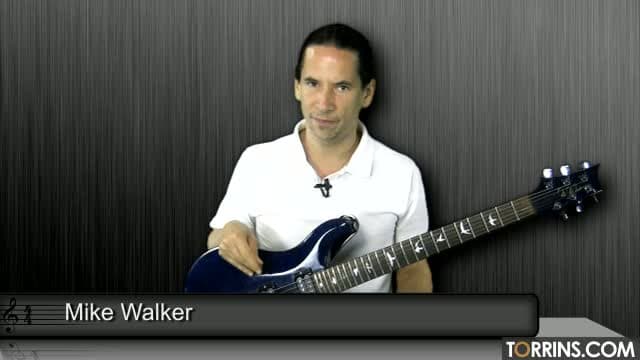
This guitar song lesson is taught by Mike Walker, an experienced musician and instructor at Torrins. He breaks the lesson down into sections: Introduction, Intro Chord Progression, Verse & Chorus, Arrangement, Interlude, and Outro.
Mike Walker teaches the What It’s Like Song guitar lesson using just 3 chords, two of which are Dm and C. No capo is needed!
Chords Used in What It's Like Guitar Lesson
- This song primarily revolves around three simple chords, making it accessible for players of all levels.
- The strumming pattern follows a DDU rhythm, adding a steady groove.
Strumming & Picking Techniques
The song subtly blends strumming and arpeggiation, giving it a dynamic and textured feel. The intro is centered around a D minor chord, with the occasional addition of Dsus4 to introduce subtle variation. Arpeggiated picking is used here to create a melodic and flowing texture, setting the tone for the rest of the song.
In the verse, the D minor chord continues to anchor the progression, while an arpeggiated riff adds depth and makes it more rhythmic.
Moving into the chorus, the strumming follows a consistent DDU (Down-Down-Up) pattern, repeated four times. On the fourth repetition, however, there’s a variation introduced at the end which is a distinctive 8-note strum pattern that adds energy and creates a pumping, driving effect.
Song Structure & Arrangement
The song builds gradually, with familiar sections repeating and subtle changes keeping things interesting. Here's a simple breakdown of how the song flows:
- Intro: A catchy opening riff sets the mood and is played four times.
- Verse 1: The main melody kicks in and repeats six times, helping you settle into the groove.
- Chorus: This part brings in energy. It’s played four times, with a twist added on the fourth round to keep things fresh.
- Interlude: A gentle picking section gives you a short breather before heading back into the main theme.
- Verse 2: Similar to the first verse, but extended — this time it's played eight times.
- Chorus: Returns with the same pattern, repeated four times.
- Bridge: Feels like a throwback to the intro, but with a longer run — played six times.
- Verse 3: Back again for eight repetitions.
- Final Chorus: Played three times as the song winds down.
- Outro: The song gradually fades out, giving it a smooth ending.
Mike shares a tip for those struggling with Fmaj7? Try leading with your third finger—this helps you get the note covered first, giving you an extra split second to position the rest of your fingers.
Why Learn What It’s Like?
- This lesson covers both strumming and fingerpicking, making it great for building dexterity.
- The song’s structure teaches you how to transition smoothly between sections and add dynamics to your playing.
- This song is a fantastic example of storytelling through music, giving you a chance to add emotion to your performance.
FAQs – What It’s Like Guitar Lesson
- Q1: Is this song beginner-friendly?
- Yes! While the Fmaj7 chord can be tricky, the slow tempo and repetitive structure make it easier to master.
- Q2: How can I improve my arpeggiation?
- Start slow, focus on even picking, and gradually increase speed.
- Q3: Do I need a capo?
- No capo is required for this version.
Fun Fact: The song became Everlast’s biggest solo hit after he left the trio House of Pain and transitioned from rap to a bluesy, acoustic hip-hop style, which was a bold and unexpected move at the time!