Intro Parts
Introduction:
The Final Countdown is the iconic song of Swedish rock band Europe which was released in 1986. The song was written by lead singer Joey Tempest.
Strumming Pattern
This song has a mix of palm-muting rhythm, open strumming, and melodic lead parts. The common strumming pattern which you can follow for this song is D D D D D D D D .
Make sure to keep your strokes short and control them using palm muting.
Song Structure
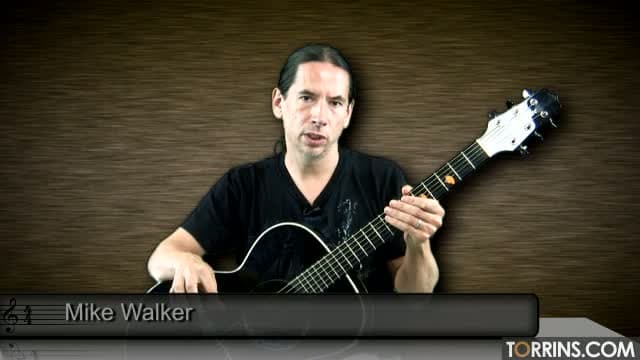
Introduction: In this section your guitar instructor Mike Walker is going to teach you how to tune your guitar in order to use it for the song.
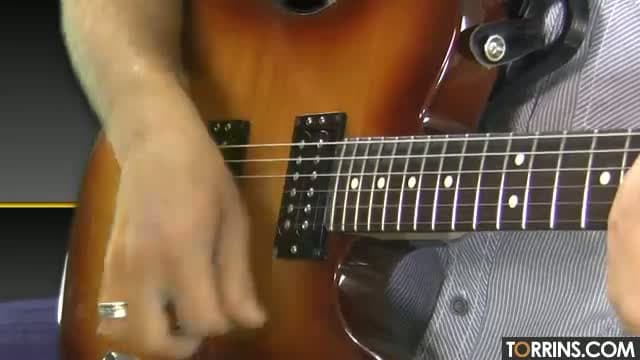
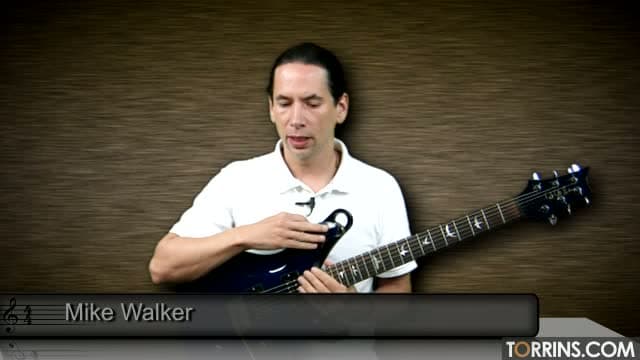
Intro Parts: In this part of the guitar lesson your guitar instructor is going to show you how to play the synth part which comes in the intro of the song.
Song Arrangement Part 1: This section shows how you should be playing the verse section of the song and you will be playing these particular chords twice in the song.
Song Arrangement Part 2: Here, Mike shows you how to play the interlude, which is present in the song and is played alongside crash symbols.
Song Demo: This is the part where Mike Walke shows you how to play the guitar parts with the backing track.
Main Motif: This is the section where you will learn how to play the iconic motif, which
makes the song so memorable and classic.
Solo Lesson: Mike shares his knowledge of how you should be playing the harmonic solo of
this song in addition to the guitar chords.
Harmony Solo: This particular guitar part is played above the arpeggios section of the song.
Why Learn Final Countdown Song On Guitar By Europe Song?
Final Countdown is more than just a rock song, it's a rock anthem which has an instantly recognizable melody which is played at the beginning of the song.
The main keyboard riff can be easily played on guitar and learning it will help you practice lead techniques. The intro and the verse are great for learning melodic playing which is used a lot of time in rock music.
FAQs – This Song Guitar Lesson
Q1. Why is the Final Countdown so Famous?
Ans. The song reached number spot in 25 different countries, it is Europe’s only top 10 hit to this day. In addition to this, it is the band's most popular song of all time, the song which made the band famous all over the world.
Q2. What is the original BPM of the Final Countdown?
Ans. Final Countdown has a somber tune to it, as a result, the tempo of the song lies in 118 BPM. You can also use a half-time tempo at 59 BPM, or double-time it at 236 BPM.
Q3. Who is Europe's lead singer?
Ans. Joey Tempest is the lead singer of the rock band Europe.
Q4. How many hits did Europe have?
Ans. Europe has 20 albums in the Billboard 200 charts, including The Final Countdown and Out Of This World. In addition to this, they have three songs in the top 30 singles on the Billboard Hot 100 Chart.
Fun Fact: The lyrics of the song were written after getting inspired by David Bowie’s “Space Oddity.” The song was only intended to be a concert opener, but it became the band’s best song of all time.
Final Countdown
Introduction
Intro Parts
Song Arrangement Part 1
Song Arrangement Part 2
Song Demo
Main Motif
Solo Lesson
Harmony Solo
Unlock Full Access to Lyrics & Chords with Torrins Membership
Unlock with premiumIntroduction:
The Final Countdown is the iconic song of Swedish rock band Europe which was released in 1986. The song was written by lead singer Joey Tempest.
Strumming Pattern
This song has a mix of palm-muting rhythm, open strumming, and melodic lead parts. The common strumming pattern which you can follow for this song is D D D D D D D D .
Make sure to keep your strokes short and control them using palm muting.
Song Structure
Introduction: In this section your guitar instructor Mike Walker is going to teach you how to tune your guitar in order to use it for the song.
Intro Parts: In this part of the guitar lesson your guitar instructor is going to show you how to play the synth part which comes in the intro of the song.
Song Arrangement Part 1: This section shows how you should be playing the verse section of the song and you will be playing these particular chords twice in the song.
Song Arrangement Part 2: Here, Mike shows you how to play the interlude, which is present in the song and is played alongside crash symbols.
Song Demo: This is the part where Mike Walke shows you how to play the guitar parts with the backing track.
Main Motif: This is the section where you will learn how to play the iconic motif, which
makes the song so memorable and classic.
Solo Lesson: Mike shares his knowledge of how you should be playing the harmonic solo of
this song in addition to the guitar chords.
Harmony Solo: This particular guitar part is played above the arpeggios section of the song.
Why Learn Final Countdown Song On Guitar By Europe Song?
Final Countdown is more than just a rock song, it's a rock anthem which has an instantly recognizable melody which is played at the beginning of the song.
The main keyboard riff can be easily played on guitar and learning it will help you practice lead techniques. The intro and the verse are great for learning melodic playing which is used a lot of time in rock music.
FAQs – This Song Guitar Lesson
Q1. Why is the Final Countdown so Famous?
Ans. The song reached number spot in 25 different countries, it is Europe’s only top 10 hit to this day. In addition to this, it is the band's most popular song of all time, the song which made the band famous all over the world.
Q2. What is the original BPM of the Final Countdown?
Ans. Final Countdown has a somber tune to it, as a result, the tempo of the song lies in 118 BPM. You can also use a half-time tempo at 59 BPM, or double-time it at 236 BPM.
Q3. Who is Europe's lead singer?
Ans. Joey Tempest is the lead singer of the rock band Europe.
Q4. How many hits did Europe have?
Ans. Europe has 20 albums in the Billboard 200 charts, including The Final Countdown and Out Of This World. In addition to this, they have three songs in the top 30 singles on the Billboard Hot 100 Chart.
Fun Fact: The lyrics of the song were written after getting inspired by David Bowie’s “Space Oddity.” The song was only intended to be a concert opener, but it became the band’s best song of all time.
Final Countdown
Introduction
Intro Parts
Song Arrangement Part 1
Song Arrangement Part 2
Song Demo
Main Motif
Solo Lesson
Harmony Solo
Unlock Full Access to Lyrics & Chords with Torrins Membership
Unlock with premiumExplore More in English Songs

Introduction:
Torrins brings you an in-depth guitar lesson on Zero Tolerance by Death, taught by none other than Bobby Koelble—one of the original guitarists on the track. This lesson dissects the song’s intricate riffs, multiple solos, and unique techniques to help you master this classic death metal piece.
Fun Fact: The title Zero Tolerance was later used for two compilation albums released under Chuck Schuldiner’s name, featuring rare demo material from both Death and Control Denied.
Tuning and Song Structure
- Standard tuning, down a whole step.
- Multiple solos from both Chuck Schuldiner and Bobby Koelble.
- This Lesson is structured into key sections: Introduction, Intro Riff, Solo-1 (Chuck), Chorus, Bridge, Main Solos (Chuck & Bobby), Solo 2 (Bobby), Song Demo, and Final Note on Chorus.
- Make sure to use the provided chords and tabs to follow along!
Breaking Down the Song
Intro Riff
- Mostly in the key of E minor.
- Straightforward riff featuring power chords, including low E power chords.
- Incorporates muted string techniques for a tight and punchy sound.
First Solo (Chuck Schuldiner)
- Simple power chord progression in the background, one of which is C.
- Features an E minor major 7 arpeggio.
- Chuck was known for focusing on feel rather than strict technical terms—tune into the lesson for an in-depth breakdown!
Chorus
- Includes a riff and a melody.
- Has a slow tempo (for a Death song), making it one of the easier riffs to play.
- Features low E power chords, single notes, and palm-muted sections, along with other chords.
Bridge
- A relatively easy section featuring some power chords and palm-muted notes.
- Watch the lesson to master the additional chords!
Main Solo (Chuck Schuldiner)
- Opens with a harmonized melodic lick up the 3rd.
- Uses the A harmonic minor scale.
- Bobby shares valuable insights on writing melodic solos—a must-watch for aspiring songwriters.
Main Solo (Bobby Koelble)
- Played in F# minor.
- Starts with an introductory lick harmonized up a 5th, then shifts to a minor 3rd harmony.
- Solo is broken down into multiple digestible sections for easy learning.
Solo 2 (Bobby Koelble)
- A short but technical solo occurring between the verse and chorus.
- Starts with a C note and a tapped harmonic.
- This section covers artificial harmonics.
Final Note on Chorus
- Discusses the background chords heard in the final chorus.
- Bobby teaches unique finger positioning techniques to recreate the exact sound.
Song Demo & Summary
To wrap it all up, Bobby plays the full song with a backing track, demonstrating how all the sections come together.
Why Learn Zero Tolerance?
- Learn palm muting, power chord progressions, and harmonized melodies.
- Master multiple solo styles, from Chuck’s emotive phrasing to Bobby’s technical intricacies.
- Get valuable songwriting and soloing insights from an original artist of the song.
FAQs – Zero Tolerance Guitar Lesson
Q1. Is this lesson beginner-friendly?
- This lesson leans more towards intermediate to advanced players.
Q2. How can I improve my palm muting technique?
- Focus on muting with the side of your palm near the bridge while maintaining a tight, controlled attack.
Q3. Are tabs provided for the lesson?
- Yes! The chords and tabs included will help you nail every section.



Introduction:
Learn to play Elmore James' version of "It Hurts Me Too" with this detailed guitar lesson on Torrins.com taught by our instructor Mike Dugan. This classic 8-bar blues song features soulful melodies, a walking bassline, and the Delta blues technique, making it a must-learn for blues enthusiasts. This lesson includes chords, rhythm techniques, solo breakdowns, and a full song demo, with tabs and lyrics provided for a complete learning experience.
Fun Fact:
"It Hurts Me Too" is one of the most interpreted blues songs ever! Originally recorded by Tampa Red in 1940, Elmore James' recorded it once in 1957 and then in 1962. His 1962 version became a hit, staying on the Hot Rhythm & Blues Singles chart for eight weeks and even making its way to Billboard’s Bubbling Under Hot 100 Singles chart two years after his passing.
Chords & Rhythm in "It Hurts Me Too"
- Key: D
- Chords Used: D7, A7, and others. Tune into the lesson to learn the rest of the chords used.
- Rhythm Pattern: DUDDUDDUDDUD (He also teaches an alternative positioning for a different feel.
- For advanced players, a Chuck Berry-style rhythm is introduced to add a more dynamic groove.
- The Delta blues technique is broken down in detail, ensuring you capture the authentic blues sound.
Sing & Play Section
- The lesson covers how to match vocals with chord changes and maintain steady downbeat strumming.
- The punchline of each verse remains the same, making it easier to follow along while singing.
Solo Breakdown
- The solo begins in the D major blues scale, bringing a bright and melodic sound.
- After a few measures, it shifts into D minor pentatonic, adding emotional depth and contrast.
- Mike Dugan explains this major-to-minor blues transition, a technique that gives the song its signature feel.
Song Demo
- In this final section, Mike plays the full song with a backing track, bringing together all elements learned in the lesson. Follow along with him to learn the intricacies of this song perfectly.
Why Learn "It Hurts Me Too"?
This lesson is a great way to improve blues phrasing, rhythm control, and soloing techniques. Whether you're a beginner looking to learn essential blues progressions or an advanced player eager to refine your Delta blues technique, this song is an excellent addition to your repertoire.
FAQs – "It Hurts Me Too" Guitar Lesson
Q1. Is this lesson beginner-friendly?
Yes! The song uses simple chords, and the lesson breaks everything down step by step, making it accessible for all skill levels.
Q2. Can I play the song without singing?
Absolutely! The lesson teaches the instrumental parts separately, so you can focus on mastering the guitar before adding vocals.
Q3. How do I improve my blues soloing?
This lesson introduces a major-to-minor blues shift, a great technique for creating emotional and expressive solos. Practice this transition to add more depth to your playing. Moreover, you can also check out our in-depth Blues Guitar lessons to improve your skills.