Chords and Progression
Hotel California
Chords and Progression
Rhythm and Backing Track
Hotel California
Chords and Progression
Rhythm and Backing Track
Explore More in English Songs



Introduction:
Torrins brings you an exciting guitar lesson on Sultans of Swing by Dire Straits, taught by Mike Dugan. This song blends fingerstyle finesse with classic rock grooves, and Mike breaks it all down into bite-sized lessons so you can follow along at your own pace.
Interesting Fact
Mark Knopfler originally wrote the song on a National Steel guitar in open tuning. He thought it sounded dull—until he tried it on his 1961 Fender Stratocaster. The moment he plugged it in, the song “came alive,” and the now-famous chord changes practically wrote themselves.
Chords & Progression
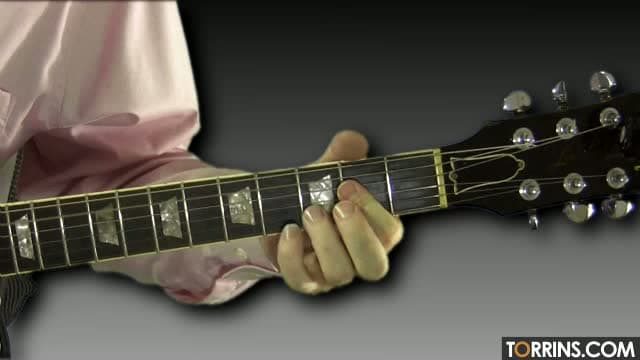
This song is in the key of D minor and uses both barre and open chords.
Chords include: Dm (barre), Bb, A7, F, and others.
The progression is smartly structured across the different sections, and Mike breaks down which chords go where and how they’re distributed across measures.
Song Structure
Each section is covered in detail, including how the chords and rhythms evolve throughout the song.
Intro Rhythm and Bounce Feel
One of the most iconic parts of Sultans of Swing is its bounce. Mike explains how this bounce is created by returning to the D minor chord in the intro, and how to use finger lifts and muting to shape the rhythm. He simplifies the feel for beginners while encouraging a relaxed hand to avoid letting the guitar ring too much. The subtle muting helps create those signature accents that make this riff so catchy.
Riff Rhythm
The riff acts as the instrumental bridge between verses and chorus, and it’s rhythmically complex. Mike shares a unique method to help you internalize the up and down strumming pattern and nail the timing.
Verse and Chorus – Singing & Playing Together
Mike walks you through how to match your vocals with the guitar parts, offering tips on timing and phrasing. The chorus uses a repetitive chord progression, so once you lock it in, you can focus more on dynamics and vocal delivery.
Intro Lead and Riffs
The lead parts are based around the D minor pentatonic scale, with one note borrowed from F major, and also include arpeggios. Mike breaks this down note by note, making the intro riff approachable even for those who are new to lead playing.
Solo Improvisation
The end solo of the song is a masterclass in feel and phrasing. Mike starts at the 10th fret and teaches the solo string by string. He introduces a cool technique called calming, along with triplet patterns, giving your solo a more expressive touch.
Main Riff Breakdown
To wrap up, Mike teaches the main riff of the song, played using a pick and two fingers for a hybrid picking effect. The riff includes the D minor triad and showcases how intricate fingerpicking can add character to a song.
FAQs – Sultans of Swing Guitar Lesson
Q1: Is this song beginner-friendly?
It’s more suited for intermediate players, but Mike breaks it down clearly, and beginners can still follow along section by section.
Q2: Do I need a capo?
No capo is needed for this version.
Q3: How do I get the “Knopfler feel”?
Focus on muting, dynamic accents, and hybrid picking. Let the rhythm breathe, and play with feel over flash.





Similar Rock Songs



Introduction:
Torrins brings you one of the most legendary rock riffs ever recorded-Smoke on the Water by Deep Purple, taught by Mike Walker. This guitar lesson is designed to break down the song step by step, covering everything from the iconic riff to solo improvisation. Whether you’re picking up the electric guitar for the first time or looking to level up your playing, this one’s a must-learn.
Fun Fact: Although the song appeared on Machine Head in 1972, it wasn’t released as a single until 1973. Surprisingly, the band didn’t expect it to be a hit. But it climbed to number 4 on the Billboard pop charts and became one of the most recognizable riffs in rock history.
Chords and Song Key
This lesson is taught in the key of B♭, but the song carries a G minor feel throughout. You’ll be using a few essential power chords like G5, A♭5, and others as you move through the sections.
The song’s time signature is 4/4, with a tempo of 112 BPM. Two main scales are used across the lesson: the G minor scale and the G blues pentatonic, both of which are central to the solo and improvisation parts.
Iconic Intro Riff
It’s the riff that every guitarist wants to play and for good reason. Mike breaks it down clearly, explaining which strings to let ring and how to get that gritty rock tone. He demonstrates both fingerpicking and pick-style playing, so you can choose the approach that suits you best.
Verse and Chorus Sections
In the verse, you’ll be working with a group of three chords, using arpeggios and palm muting to add texture. The phrasing follows a clean 4-bar structure, making it easy to follow.
The chorus section also relies on arpeggios. Mike walks through each measure in detail, grouping chords and explaining the rhythm so you can play with ease and confidence.
Rhythm Underneath the Solo
For the rhythm guitar players, Mike breaks down the part that supports the solo section. This part mostly uses just two chords, but involves some precise fingerpicking techniques to maintain the groove and drive.
Solo Lesson
Mike takes you through the solo lick by lick, staying in the G minor scale. He explores techniques like vibrato to add feel and energy. It’s a great way to learn how to play expressively.
Solo Demo and Improvisation
Once the solo is broken down, Mike ties everything together with a full solo demo played along with a backing track. Then comes the fun part, improvisation. He shares how to use:
- G minor and G pentatonic scales
- G pentatonic with a flat 5
- Phrasing on the 15th fret
You’ll also pick up a few stylistic ideas inspired by Jon Lord’s playing style, which adds a cool, classic-rock flavor to your soloing.
Why Learn - Smoke on the Water?
- One of the most famous riffs in rock history
- Teaches you both rhythm and lead techniques
- A solid introduction to rock improvisation
- Perfect for building confidence on the electric guitar
FAQs – Smoke on the Water Guitar Lesson
Q1. Is this song beginner-friendly?
Yes, and Mike simplifies each section so it’s approachable even if you’re just getting started.
Q2. Do I need an electric guitar?
It’s recommended, as this song is designed with electric tone and expression in mind.
Q3. Can I play the riff with a pick?
Absolutely. Mike shows both finger and pick methods—you can choose what feels right.