Panama
Introduction
Song Arrangement Part 1
Song Arrangement Part 2
Song Demo
Solo
Beginners Version
No Description Available
Panama
Introduction
Song Arrangement Part 1
Song Arrangement Part 2
Song Demo
Solo
Beginners Version
Explore More in English Songs






Introduction
Get ready to master another death metal classic on Torrins—Symbolic by the band Death. This lesson is taught by Bobby Koelble himself, one of the guitarists on the original track. Bobby breaks down the song into several parts, covering essential chords, rhythms, and guitar tones, ensuring a detailed and engaging learning experience.
Fun Fact
Bobby Koelble joined Death after being recommended to Chuck Schuldiner, the band's co-founder, by a friend working at a local music store. Koelble and Schuldiner had known each other since high school in Orlando. After joining the band, Koelble toured with Death across the United States, Canada, Europe, and Japan before the band eventually disbanded.
Chords and Techniques Used in Symbolic
- Tuning: Standard tuning down a whole step
- Key: E minor
- Some of the chords used in this song are G#, F#, Bm, and A7. Tune in to the lesson to know the rest of the chords used in this song.
Song Structure
- Main Riff: The main riff repeats seven times and features vibrato, alternative picking, and palm muting. It includes a few power chords, one being G#.
- Chorus: The chorus riff follows the same pattern as the main riff but repeats 14 times. Tune in to the lesson for a detailed breakdown of the rest of the chorus.
- Solo Section: The solo section features four power chords. In this section, there’s a transition riff as well, which consists of four single notes and a power chord.
- Solo section played by Bobby in the original song: It is played in the key of F# and features chords like B minor, F# power chord, and A7—all diatonic to F#. He breaks down the solo into three sections: beginning, middle, and end and shares valuable tips on mastering the solo, including his creative process behind crafting the iconic riff.
Bobby plays all elements slowly, first to make it easier to follow, then repeats them at normal speed. He also explains the guitar tone in detail.
Why Learn Symbolic?
This lesson provides a detailed breakdown of one of death metal’s most iconic tracks. Bobby Koelble’s insight into the composition and technique will help you refine your alternative picking, palm muting, and power chord transitions. It's a challenging yet rewarding song to master for any metal guitarist. If you’re an advanced player or an intermediate player looking for songs to improve your techniques, this song has to be in your repertoire.
Tips to Improve Your Playing
- Start by playing the riffs at a slower pace, then gradually increase your speed.
- Pay close attention to the vibrato and palm muting techniques to capture the song’s unique tone.
- Focus on smooth chord transitions during the solo to maintain the song’s flow.
FAQs – Symbolic Guitar Lesson
Q1. Is this song suitable for beginners?
Ans: This lesson is recommended for intermediate to advanced players due to its fast-paced riffs and complex solos.
Q2. What tuning is used for this song?
Ans: The song is played in standard tuning down a whole step.









Similar Rock Songs
Introduction
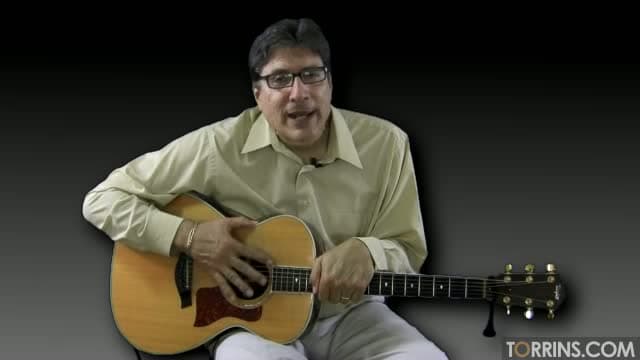
Tune into a simple fingerpicking guitar song lesson on "Goodbye Blue Sky" on Torrins. This lesson is led by our instructor, Steve Luciano, who breaks down the various sections of the song for easy understanding. This Goodbye Blue Sky guitar tutorial covers the strumming pattern, fretting, and rhythm techniques that make this song sound so great.
Interesting Fact: The song’s soft, almost lullaby-like melody is a stark contrast to its dark theme of war and destruction. Roger Waters wrote it as a reflection of his childhood memories of the London Blitz during World War II. The track opens with a child's voice saying, "Look, mummy, there's an aeroplane up in the sky!"—a chilling moment that symbolizes the innocence of youth being shattered by the horrors of war.
Chords & Tuning
"Goodbye Blue Sky" is a simple fingerpicking song. Before getting started, tune your 6th string to Drop D—this gives the song its deep, resonant tone.
Fingerpicking Pattern
The fingerpicking technique adds an intricate and melodic touch to this song while keeping the rhythm steady, making this song perfect for practising control and precision.
Song Structure & Techniques
The song kicks off with a repeating section that features pull-offs, adding a smooth, connected feel to the melody. This section repeats four times and helps build fluidity in your playing. If you’re still getting comfortable with pull-offs, be sure to explore our in-depth lesson on this essential technique.
As the arrangement develops, you’ll come across hammer-ons, which lend a punchier articulation to the notes. Steve also incorporates power chords, specifically B and F#, along with an open G, contributing to a fuller, more dynamic sound. Later in the progression, he introduces barre chords across the 2nd and 3rd strings, creating a seamless, flowing texture. These techniques come together to give the song its distinct blues-rock character while helping you improve precision and control.
Learning Made Easier
The 3-angle camera view makes learning such songs so much easier. With dedicated angles on strumming, fretting, and an overall view, you get a detailed, close-up look at all the intricate finger movements, helping you learn efficiently and effectively.
Pro Tip for Mastering the Song
Steve recommends breaking the song into sections and practising each part individually before putting everything together. This will ensure you develop muscle memory for clean and precise playing.
FAQs – "Goodbye Blue Sky" Guitar Lesson
Q1. Is this song beginner-friendly?
A: While the song follows a simple fingerpicking style, it requires coordination and control. It's great for beginners looking to build finger independence and practice melodic fingerpicking.
Q2. Do I need to use a pick for this song?
A: No, this song is best played with fingerpicking, which gives it its signature soft and flowing sound.
Q3. What’s the best way to improve my fingerpicking accuracy?
A: Slow down and focus on precision before building up speed. Keep your right hand relaxed, and ensure each note rings out clearly.
Introduction
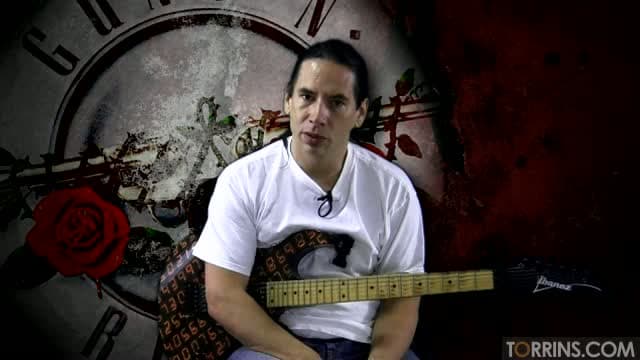
Tune into Torrins’ guitar song lesson on the iconic single by American rock band Guns N' Roses, Sweet Child O’ Mine. This chart-topping hard rock song is taught by our instructor, Mike Walker. He has broken down the lesson into 10 parts for a detailed understanding of each section and to make learning easier. Find dedicated lessons on the intro, verses, choruses, interlude solos, main solo, and outro.
Fun Fact: "Sweet Child O' Mine" was born out of a playful jam session at the band’s house. Slash was fooling around with a "circus" melody to make drummer Steven Adler laugh when Izzy Stradlin suggested turning it into a song. Within an hour, the band had crafted the core structure, and Axl Rose, inspired by his girlfriend Erin Everly, wrote the heartfelt lyrics by the following afternoon.
Chords Used in Sweet Child O' Mine Guitar Lesson
This song is played in half-step down tuning and features a mix of open chords and power chords. Some of the key chords used in the song include:
- C, D, Cadd9
- A power chord, Dsus4
Tune into the full lesson to learn all the chords and how to transition between them seamlessly.
Strumming Pattern
- Intermediate/advanced rhythm: Alternating strumming pattern with pull-off techniques for added depth
- A lick is layered over the chorus, and Mike walks you through how to blend it into the song smoothly
Song Structure
This song follows a well-defined verse-chorus format:
- Intro Riff – The iconic opening lick is based on a repetitive motion with just the first note changing. It’s repeated twice.
- Verse 1 & 2 – Follows an 8-bar phrase played twice using three chords. Incorporates a pull-off pattern. Mike breaks down the intricacies of the verses in great detail.
- Chorus – Mix of power chords and open chords like A power chord, C5, and Dsus4. A lick is played over the chorus for added texture.
- Solo 1 – The rhythm underneath the solo is half the length of the verse.
- Verse 2 – Similar to Verse 1.
- Chorus 2 – Same as Chorus 1.
- Solo 2 – A longer solo covering an entire verse.
- Chorus 3 – Double the length of the previous choruses.
- Outro Solo – Includes wah-wah pedal, hammer-ons, pull-offs, sliding, and some resting measures for dynamic effect.
Why Learn Sweet Child O' Mine?
This lesson covers not just the guitar parts but also the feel and dynamics that make the song iconic.
- Learn the nuances of Slash’s soloing style
- Improve your pull-offs and hammer-ons
- Master playing with a wah-wah pedal for expressive control
FAQs – Sweet Child O' Mine Guitar Lesson
Q1. Is this song beginner-friendly?
Ans: This lesson is ideal for intermediate and advanced players.
Q2. What’s the trick to mastering the intro riff?
Ans: Focus on the repetitive pattern and ensure the other strings are muted for a clean sound.

Introduction
Tune in to another detailed guitar lesson on the Torrins platform! The I Should Have Known Better guitar lesson is taught by our expert instructor Steve Luciano. He makes learning this popular Beatles song both fun and rewarding.
I Should Have Known Better, by The Beatles, was originally released on the soundtrack of A Hard Day's Night—the film of the same name.
This guitar tutorial covers chord progressions and rhythm in detail. Steve also breaks down the advanced rhythm of this song for those who wish to level up their guitar playing.
Fun Fact:
In A Hard Day’s Night, "I Should Have Known Better" is performed in a train’s brake coach—but the scene was actually filmed inside a stationary van, with crew members rocking it to simulate motion!
Chords & Key
Steve Luciano demonstrates how to play this song in the key of G major, using only seven chords. Some of the key chords in this song are G, C, Em, and D7. Tune in to the full guitar tutorial to learn the remaining chords and master the song with us.
Chords Used in I Should Have Known Better Guitar Lesson
Verse & Chorus Chords: This song primarily includes open chords.
Strumming & Rhythm
Basic Rhythm Pattern: DDDUD (4 beats)
- The strumming pattern follows a 4-beat rhythm, making it beginner-friendly
- Steve Luciano demonstrates how to navigate chord transitions, including the shift from two chords per measure in the intro and beginning of the verse to one chord per measure throughout the rest of the song.
Right-Hand & Left-Hand Technique
- Since the rhythm remains consistent throughout, the right hand moves constantly, focusing on steady strumming.
- The left-hand placement changes, and Luciano shares great tips on finger positioning and switching, ensuring smooth playing.
Song Structure
This song follows the usual verse-chorus format.
Use the provided tabs to follow the chord progressions as Luciano guides you through the song structure.
Advanced Rhythm Techniques
Once you've learned the basic chords and developed good control over your left hand, you can move on to a more complex rhythm pattern.
Anticipated Rhythm:
- Luciano introduces a technique where chords or notes are played slightly before the expected beat to create a sense of forward motion and groove.
- This anticipation technique adds energy, syncopation, and a more natural feel to the rhythm, making your playing sound more dynamic.
Why Learn I Should Have Known Better Song?
Learning this Beatles classic will help you build core guitar skills in a fun and engaging way.
Whether you're a beginner or looking to brush up on technique, this track offers plenty of learning opportunities.
This guitar lesson focuses on:
- Learning various chords
- Understanding rhythm variations & dynamics
- Improving strumming and finger placement
FAQs – I Should Have Known Better Guitar Lesson
Q1: Do I need a capo?
No, a capo is not required. However, you can try experimenting with different voicings to see what matches your vocal range.
Q2: Are there any barre chords in this song?
No, Steve Luciano teaches this song using open chords only.
Q3: How can I make the rhythm more dynamic?
Playing chords slightly ahead of the beat creates a more dynamic feel. This anticipation technique is covered in detail in the guitar lesson.


Introduction:
Learn the groove metal song, Walk, by American heavy metal band Pantera from their sixth album, Vulgar Display of Power, on Torrins. Our expert instructor, Bobby Koeble, known for his metal guitar skills, will walk you through this detailed lesson. This lesson caters to both beginner and intermediate guitarists, with clear instructions and helpful tips.
Fun Fact: "Walk" by Pantera was inspired by the band's experience with changing relationships after they became famous. Guitarist Dimebag Darrell said the main riff was influenced by a simple rhythm they would play during soundchecks, which eventually turned into the song's iconic groove. The song's aggressive "walk on home, boy" line reflects the band's frustration with people who treated them differently after their success.
Bobby breaks this song lesson into various segments for detailed understanding and a smooth learning curve-
- Introduction & Tuning
- Intro Riff
- Intro Power Chords
- Verse
- Prechorus
- Chorus, Arrangement, & Outro
- Solo parts 1, 2, and 3
- Song with Backing Track
Each part is taught step by step, making it easier to follow along and learn the whole song at your own pace.
Chords Used in the Walk Guitar Lesson
The song is played in standard tuning down a whole step and a quarter lower.
Some of the key chords featured throughout include the Eb/Bb power chord, the D over A chord, the Db power chord, and the G chord.
Strumming Pattern
The rhythm follows a triplet-based feel, creating a steady groove. Downstroke picking is essential for maintaining the song's aggressive tone, especially during the pre-chorus and chorus. Fast-paced song with power chords making up most of the rhythm section.
Song Structure
Intro: The intro riff is simple yet powerful, all played on the 6th string. Bobby breaks down the intro by slowing it down and providing alternatives for ease of playing. The intro involves bending, slides, and a 3-note figure.
Verse: Verse follows the same 3-note figure from the intro, creating a repetitive yet driving rhythm.
Pre-Chorus: Involves power chords, including D over A, Db, and G, along with others. This section combines whole note values and half note values for a dynamic feel.
Chorus: Same as the power chord-heavy part from the intro. Note that the second chorus is played twice as long for added intensity.
Solo: The solo is divided into three distinct parts. There’s a dedicated video lesson for each part.
Outro: The song features a fading riff based on the intro section. Bobby shares a special technique for nailing this section—don't miss it!
Why Learn the Song Walk?
- This lesson teaches key metal techniques like downstrokes, bending, sliding, and vibrato.
- The song's triplet rhythm and fast pace will challenge and strengthen your playing skills.
- Learning this iconic song will add power and groove to your playing style.
Tips for Smooth Playing:
- Focus on clean transitions between chords.
- Pay attention to silencing other strings during the intro.
- Take your time with the bending and vibrato, t’s all about control!
FAQs – Walk Guitar Lesson
Q1. Is this song beginner-friendly?
Yes! The rhythm is easy to follow, the chords and solos might be trickier though.
Q2. How can I improve my triplet rhythm?
Practice slow and steady while focusing on even timing and downstrokes.
Q3. How do I maintain a clean tone while playing power chords?
Make sure to mute any unwanted strings and use proper finger positioning.


Introduction:
Looking to learn one of the most heartfelt love ballads ever written? Then this song tutorial of Eric Clapton’s hit song is a must-watch for you. This "Wonderful Tonight" guitar lesson, taught by Mike Dugan, breaks down the song into an easy-to-follow tutorial that’s perfect for both beginners and advanced players. Mike teaches you how to sing as well as play the song.
Fun Fact: Eric Clapton wrote "Wonderful Tonight" while waiting for his then-girlfriend, Pattie Boyd, to get ready for an event. Despite its simplicity, the song became his most downloaded track on Spotify, with over 480 million streams!
Chords Used in "Wonderful Tonight"
This lesson is taught in the key of G major, and it primarily uses open chords, making it accessible to beginners. Some of the main chords include:
- G
- Em
- D/F#
The lesson also covers additional chords and variations—tune in to discover them all!
Strumming Pattern & Rhythm Techniques
- Beginner-Friendly Strumming: Basic downstrums to ensure smooth transitions between chords.
- Advanced Strumming: The tutorial also covers a more complex strumming pattern used in the original recording. This involves subdivisions, where each beat is split into four 16th notes, creating a rhythmic groove with an alternate strumming pattern (DUDUDU) with accents.
- Special Techniques: The instructor introduces a unique method for adding accents, perfect for players looking to elevate their rhythm skills. Tune in to the lesson to learn how to do it.
Song Structure Breakdown
This tutorial follows the song’s original structure, making it easier to follow:
- Intro (played twice)
- Verse 1
- Intro section again
- Verse 2
- Bridge
- Intro played twice
- Verse 3 with a tag ending
- Intro played twice to fade out
Tip: The intro shares a similar progression to the first part of the verse, making it easier to grasp.
Walk-Down Technique & Chord Transitions
One of the standout features of this lesson is the walk-down technique, where the bass notes descend smoothly between chords. Mike provides a step-by-step breakdown of positioning complex chord shapes and making smooth transitions.
Sing & Play Lesson
Want to sing while playing? This lesson dedicates a section to teaching how to play and sing simultaneously, helping learners match their strumming with the song’s vocal phrasing.
Final Play-Along & Bonus Lesson
- The lesson ends with a play-along section featuring a backing track, allowing learners to practice the entire song with professional accompaniment.
- For a more in-depth approach to playing "Wonderful Tonight" in an authentic style, check out Steve Luciano’s version, which focuses on the intricacies of the guitar work of the song.
FAQs – "Wonderful Tonight" Guitar Lesson
Q1. Is this song beginner-friendly?
Yes! With just a few open chords and a straightforward rhythm, it’s perfect for beginners.
Q2. How can I improve my strumming for this song?
Start with basic downstrums, then work on the subdivided 16th-note pattern with accents for a more authentic feel.