Introduction
In this video lesson Mike Dugan teaches how to play the song Can't Help Falling in Love as part of our guitar series on English songs. The song is broken down into multiple lessons for easy learning - Introduction, Verse (Chords, Rhythm, and Singing) and Bridge and Song Arrangement. Don't forget to make use of the chords and tabs provided with the song lesson!
Can't Help Falling in Love
Introduction
Verse (Chords, Rhythm, and Singing)
Bridge and Song Arrangement
In this video lesson Mike Dugan teaches how to play the song Can't Help Falling in Love as part of our guitar series on English songs. The song is broken down into multiple lessons for easy learning - Introduction, Verse (Chords, Rhythm, and Singing) and Bridge and Song Arrangement. Don't forget to make use of the chords and tabs provided with the song lesson!
Can't Help Falling in Love
Introduction
Verse (Chords, Rhythm, and Singing)
Bridge and Song Arrangement
Explore More in English Songs

Introduction
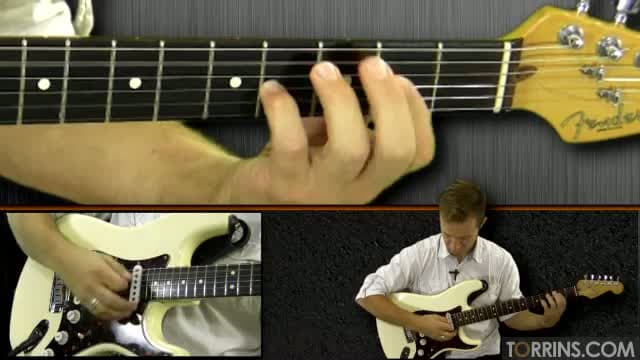
Tune into a guitar lesson on the classic heavy metal song "The Trooper" brought to you by Torrins, led by our expert instructor, Bobby Koeble. This song by the English heavy metal band Iron Maiden was released in 1983, and a live version of the song was issued in 2005.
Fun Fact: "The Trooper" by Iron Maiden was inspired by the famous Charge of the Light Brigade during the Crimean War in 1854. The song’s lyrics are based on Alfred, Lord Tennyson’s poem of the same name, which describes the bravery and tragic loss of British cavalry who were misled into a deadly Russian artillery ambush. The intense galloping rhythm of the song reflects the chaos and urgency of the battlefield charge.
Bobby breaks down this classic song lesson into the following parts to ensure a smooth learning experience for learners:
Introduction
Intro Riff
Main Riff & Verse
Chorus & Song Arrangement
Solo 1- Part 1 & 2
Rhythm for Solos
Solo 2
Solo 2 using Whammy Bars
Discussion & Conclusion
Trooper with Backing Track
Chords Used in The Trooper Guitar Lesson
- Most of the song is in the key of E or E minor with a 4/4 time signature. Bobby plays the song in standard tuning.
- The chorus uses a D chord followed by a low E power chord.
- The solos are in the key of A minor and use chords like G, and F, along with others.
- There are harmony parts in the intro and main riffs, with techniques like pull-offs and whammy bar used in the solos.
Strumming Pattern
- The song follows a fast-paced, galloping rhythm—a signature Iron Maiden style.
- Bobby breaks down the strumming pattern and offers options for handling the harmony in the intro.
- Beginners can start with a simple downstroke rhythm, while more advanced players can work on refining the galloping feel.
Song Structure
The song unfolds with a clear and consistent progression that keeps listeners engaged from start to finish. It kicks off with a high-energy intro riff, a fast-paced harmony section that repeats four times to set the tone. This leads into the main riff and verse, where the finger placements and note sequences are broken down for easy understanding.
From there, the momentum builds into the chorus, which delivers a bold shift in rhythm and mood. After returning briefly to the main harmony riff, the song moves into the second verse, introducing a slight rhythmic variation with a galloping feel that adds fresh texture.
The next pass through the chorus sets the stage for not just one, but two solo sections, each packed with expressive phrasing and technique. After the solos, the main harmony riff reappears, anchoring the listener before launching into the third and final verse. Finally, the track winds down with an outro that circles back to the familiar intensity of the intro, bringing the piece full circle with a satisfying sense of closure.
Improvisation Techniques
- The solos are played in A minor.
- Solo 2 includes whammy bar technique for added depth and expression.
Bobby ends the lesson by playing along with a backing track—a great way to practice and refine your playing.
FAQs – The Trooper Guitar Lesson
Q1. Is this song suitable for beginners?
It’s more suited for intermediate players due to the fast-paced rhythm and advanced solo work.
Q2. What’s the key challenge in this song?
The galloping rhythm and smooth chord transitions require precision and practice.
Q3. Do I need a special tuning?
No, the song is played in standard tuning.
Introduction
Tune into another guitar lesson on a popular Beatles song on Torrins.com, While My Guitar Gently Weeps written by George Harrison, taught by Mike Dugan. He makes learning this song fun, easy, and rewarding! He breaks this guitar song lesson into various sections like Introduction, Chords & Rhythm, Verse & Chorus (singing), Advanced Rhythm, and Solo Improvisation.
Fun Fact: George Harrison wrote While My Guitar Gently Weeps as an exercise in randomness after his return from India, where the Beatles studied Transcendental Meditation. Inspired by the idea that nothing is coincidental, he opened a book at random, saw the words "gently weeps," and turned them into one of his most iconic songs.
Chords Used in While My Guitar Gently Weeps Guitar Lesson
The guitar lesson on While My Guitar Gently Weeps is taught using chords like Am, Am/G, D7/F#, to name a few. It also involves some barre chords. Tune in to the complete guitar song lesson to know the rest of the chords that make up this song.
This version of While My Guitar Gently Weeps is played in the key of A minor. The song includes a mix of open and barre chords, adding depth and complexity to the arrangement.
The bridge introduces barre chords like C#m and F#m. Mike shares some great tips on transitioning between these barre chords smoothly, essential for mastering the flow of the song.
Strumming Pattern
For beginners, Mike keeps it simple with an easy 4-down-strum pattern that’s great for building confidence.
For intermediate and advanced players, he introduces a more intricate alternating rhythm:
DUDUDU – accenting beats two and four (like most rock songs) for a more dynamic feel.
Song Structure
The song follows a clear and repeatable structure that gives it a steady flow and allows for expressive variation. It begins with an intro, setting the tone before moving into Verse 1 and Verse 2, which establish the core melody and lyrical theme. The bridge introduces a vocal shift, featuring a touch of falsetto to accommodate the slightly higher notes, adding emotional lift and dynamic contrast. Following this, the guitar solo steps in, showcasing expressive phrasing built on the A minor pentatonic scale. The playing style, marked by smooth vibrato and a warm overdrive tone, is clearly inspired by Eric Clapton’s bluesy sensibilities. The structure then returns to the bridge and another verse, before easing into a jam section. This relaxed closing passage offers space for personal interpretation and creative improvisation, making it a satisfying conclusion to the track..
Mike teaches how to sync your singing with chord changes by accenting the words that align with the next chord. This makes it easier to play and sing simultaneously.
Improvisation Techniques
In the solo section, Mike offers a detailed breakdown of how to use the A minor pentatonic scale to craft expressive, personality-filled solos in the style of Eric Clapton.
He walks you through essential techniques like achieving smooth vibrato, bending notes accurately to stay in pitch, and adjusting your speed and tone to create a polished, professional sound. If vibrato has been a sticking point for you, Mike dedicates extra time to break down the technique in a way that's easy to grasp. And if you’re looking for more practice, our dedicated vibrato lessons are just a click away.
Why Learn While My Guitar Gently Weeps?
- Great choice of song for working on barre chord transitions.
- The solo section introduces you to classic rock licks, helping you develop a more expressive playing style.
Tips for Better Playing
- Keep your strumming hand moving consistently to maintain rhythm.
- Focus on clean chord transitions, especially in the bridge.
- Practice the solo slowly first, then build up speed gradually.
FAQs – While My Guitar Gently Weeps Guitar Lesson
Q1. Is this song beginner-friendly?
There is a beginner version of this song which focuses on a simple strumming pattern.
Q2. Do I need to use falsetto when singing the bridge?
It’s optional—but using falsetto adds a smoother tone. Mike shows how to adjust based on your vocal range.
Introduction
Get ready to master another death metal classic on Torrins—Symbolic by the band Death. This lesson is taught by Bobby Koelble himself, one of the guitarists on the original track. Bobby breaks down the song into several parts, covering essential chords, rhythms, and guitar tones, ensuring a detailed and engaging learning experience.
Fun Fact
Bobby Koelble joined Death after being recommended to Chuck Schuldiner, the band's co-founder, by a friend working at a local music store. Koelble and Schuldiner had known each other since high school in Orlando. After joining the band, Koelble toured with Death across the United States, Canada, Europe, and Japan before the band eventually disbanded.
Chords and Techniques Used in Symbolic
- Tuning: Standard tuning down a whole step
- Key: E minor
- Some of the chords used in this song are G#, F#, Bm, and A7. Tune in to the lesson to know the rest of the chords used in this song.
Song Structure
- Main Riff: The main riff repeats seven times and features vibrato, alternative picking, and palm muting. It includes a few power chords, one being G#.
- Chorus: The chorus riff follows the same pattern as the main riff but repeats 14 times. Tune in to the lesson for a detailed breakdown of the rest of the chorus.
- Solo Section: The solo section features four power chords. In this section, there’s a transition riff as well, which consists of four single notes and a power chord.
- Solo section played by Bobby in the original song: It is played in the key of F# and features chords like B minor, F# power chord, and A7—all diatonic to F#. He breaks down the solo into three sections: beginning, middle, and end and shares valuable tips on mastering the solo, including his creative process behind crafting the iconic riff.
Bobby plays all elements slowly, first to make it easier to follow, then repeats them at normal speed. He also explains the guitar tone in detail.
Why Learn Symbolic?
This lesson provides a detailed breakdown of one of death metal’s most iconic tracks. Bobby Koelble’s insight into the composition and technique will help you refine your alternative picking, palm muting, and power chord transitions. It's a challenging yet rewarding song to master for any metal guitarist. If you’re an advanced player or an intermediate player looking for songs to improve your techniques, this song has to be in your repertoire.
Tips to Improve Your Playing
- Start by playing the riffs at a slower pace, then gradually increase your speed.
- Pay close attention to the vibrato and palm muting techniques to capture the song’s unique tone.
- Focus on smooth chord transitions during the solo to maintain the song’s flow.
FAQs – Symbolic Guitar Lesson
Q1. Is this song suitable for beginners?
Ans: This lesson is recommended for intermediate to advanced players due to its fast-paced riffs and complex solos.
Q2. What tuning is used for this song?
Ans: The song is played in standard tuning down a whole step.
Similar Pop Songs
Introduction
Get ready to master another hit song on Torrins—If It's Love by Train. This moderate-level lesson is taught by Steve Luciano, who breaks down the song into easy-to-follow sections. You'll learn about the chords, strumming patterns, and intricate techniques that make this song so engaging. Steve also shares detailed tips on finger placements and rhythm to help you recreate the authentic feel of the original track.
Fun Fact: If It's Love was written on the same day as Train's hit Hey, Soul Sister in New York City. Pat Monahan wrote it as a love song for the band's long-time fans, thanking them for their unwavering support over the years.
Chords Used in If It's Love
The song is tuned half a step down and features a mix of standard and suspended chords. Some of the key chords used include:
- G triad
- G chord
- Gsus4
- Csus4
- D4
- Dsus/F#
- G/B
Tune in to the lesson to learn the other chords that make up this song. Steve carefully explains the finger placements for these chords, especially complex chords like Dsus/F#, to ensure you get the right tone.
Strumming Pattern
The song starts with a drum section, and Steve demonstrates how to simulate that drum feel using strumming techniques.
- In the beginning, the rhythm follows a 16th note pattern: DUDUDUD
- As the song progresses, the pattern shifts to: DDUUUD
Steve emphasises the importance of keeping your right hand moving to maintain a consistent rhythm. He also explains how to incorporate sliding and arpeggios into your strumming to enhance the song's texture.
Song Structure
If It's Love follows a clear and structured format. Tune in to the lesson to understand the arrangement of the song.
In the beginning, Steve uses just 3–4 chords, making it approachable for most players.
As the song progresses, he introduces more complex chords like Dsus/F#, adding depth to the arrangement
Steve concludes the lesson by playing along with the song, demonstrating smooth transitions between sections.
Improvisation Techniques
For more advanced players, Steve teaches how to improvise over the progression using slides and arpeggios. He also explains how to replicate the original feel of the song by experimenting with the rhythm and strumming intensity.
Why Learn If It's Love?
This song is an excellent way to improve your chord transitions and rhythm skills. It also introduces suspended chords and alternate fingerings, helping you build greater versatility in your playing.
Tips to Control Strumming Intensity:
- Keep the beginning section light with gentle strumming.
- Add more intensity in the chorus by strumming harder and using accents.
- Maintain a steady rhythm throughout the song to keep the groove intact.
FAQs – If It's Love Guitar Lesson
Q1. How can I improve my rhythm and timing?
Practice with the backing track and focus on Steve’s tips for simulating the drum section with your strumming.
Q2. Do I need to tune down my guitar?
Yes, the song is tuned half a step down for an authentic sound.
Q3. How can I handle the suspended chords more smoothly?
Steve suggests specific finger placements and transitions to make switching between suspended chords easier.
Introduction
Torrins brings you another heartfelt country classic—Always on My Mind by Willie Nelson, taught by Mike Dugan. This in-depth lesson covers everything from basic chords to advanced rhythm techniques, making it accessible for both beginners and advanced players.
Fun Fact: Always on My Mind was the Billboard number one country album of the year in 1982. It remained on the Billboard Top Country Albums chart for an astonishing 253 weeks, holding the number one spot for 22 weeks. It even spent 99 weeks on the Billboard 200, peaking at number two for three weeks!
Chords Used in Always on My Mind
Beginner Chords:
- D, A, Bm, etc (alternative chords provided for those struggling with barre chords)
- Bm/G# and other slash chords (simplified option available)
- Basic downstrumming technique
Advanced Chords:
- Walk-down from Bm barre chord to G, creating a smooth transition
- Em, A, D, and motion chord movement from Em to F#, along with other chord voicings
- Includes A/C# to add depth to the song
Rhythm & Strumming Pattern
Beginner Rhythm:
- Simple downstrumming throughout the song for easy playability
Advanced Rhythm:
- More dynamic strumming pattern: DUDDUD with variations in the upstrokes
- Incorporates subdivisions and expressive chord transitions to match the song’s emotional tone
Song Structure
This song follows a classic country ballad structure:
- Intro
- Verse 1 & 2
- Bridge – Separate versions for beginners and advanced players
- Solo Verse – Melody-driven section
- Bridge Repeat
Solo Section
- Uses the D major scale for advanced players
- Simple yet effective solo incorporating D and Bm/A chords, to name a few
- Captures the melody of the song to create an emotional instrumental moment
Improvisation Techniques
For those wanting to add their own flavour, Mike shares techniques to elevate their playing:
- Walk-down motions to create smoother transitions
- Letting open strings ring for a fuller sound
- Subtle rhythmic variations to match Willie Nelson’s expressive phrasing
Why Learn Always on My Mind?
This lesson is a great way to enhance your expressiveness as a guitarist. Whether you’re learning the basic chords or mastering the advanced transitions, Mike ensures that every player walks away with valuable skills.
FAQs – Always on My Mind Guitar Lesson
Q1. Is this song beginner-friendly?
Ans: It’s better suited for intermediate and advanced players, but Mike breaks it down for beginners as well.
Q2. What if I struggle with barre chords?
Ans: Alternative chord shapes are provided for Bm and Bm/G# to make it easier.
Q3. How can I improve my strumming on this song?
Ans: Beginners should start with downstrumming, while advanced players can incorporate upstroke variations and subdivisions for a more dynamic feel.
Q4. Does this lesson include a solo?
Ans: Yes! The solo is based on the D major scale and includes a simple yet effective melody.
Songs with Similar Difficulty
Introduction
Tune in to a detailed guitar song lesson on What It’s Like, a single by the American musician, Everlast. This 1998’s release was the lead single from his second studio album called Whitey Ford Sings the Blues.
This guitar song lesson is taught by Mike Walker, an experienced musician and instructor at Torrins. He breaks the lesson down into sections: Introduction, Intro Chord Progression, Verse & Chorus, Arrangement, Interlude, and Outro.
Mike Walker teaches the What It’s Like Song guitar lesson using just 3 chords, two of which are Dm and C. No capo is needed!
Chords Used in What It's Like Guitar Lesson
- This song primarily revolves around three simple chords, making it accessible for players of all levels.
- The strumming pattern follows a DDU rhythm, adding a steady groove.
Strumming & Picking Techniques
The song subtly blends strumming and arpeggiation, giving it a dynamic and textured feel. The intro is centered around a D minor chord, with the occasional addition of Dsus4 to introduce subtle variation. Arpeggiated picking is used here to create a melodic and flowing texture, setting the tone for the rest of the song.
In the verse, the D minor chord continues to anchor the progression, while an arpeggiated riff adds depth and makes it more rhythmic.
Moving into the chorus, the strumming follows a consistent DDU (Down-Down-Up) pattern, repeated four times. On the fourth repetition, however, there’s a variation introduced at the end which is a distinctive 8-note strum pattern that adds energy and creates a pumping, driving effect.
Song Structure & Arrangement
The song builds gradually, with familiar sections repeating and subtle changes keeping things interesting. Here's a simple breakdown of how the song flows:
- Intro: A catchy opening riff sets the mood and is played four times.
- Verse 1: The main melody kicks in and repeats six times, helping you settle into the groove.
- Chorus: This part brings in energy. It’s played four times, with a twist added on the fourth round to keep things fresh.
- Interlude: A gentle picking section gives you a short breather before heading back into the main theme.
- Verse 2: Similar to the first verse, but extended — this time it's played eight times.
- Chorus: Returns with the same pattern, repeated four times.
- Bridge: Feels like a throwback to the intro, but with a longer run — played six times.
- Verse 3: Back again for eight repetitions.
- Final Chorus: Played three times as the song winds down.
- Outro: The song gradually fades out, giving it a smooth ending.
Mike shares a tip for those struggling with Fmaj7? Try leading with your third finger—this helps you get the note covered first, giving you an extra split second to position the rest of your fingers.
Why Learn What It’s Like?
- This lesson covers both strumming and fingerpicking, making it great for building dexterity.
- The song’s structure teaches you how to transition smoothly between sections and add dynamics to your playing.
- This song is a fantastic example of storytelling through music, giving you a chance to add emotion to your performance.
FAQs – What It’s Like Guitar Lesson
- Q1: Is this song beginner-friendly?
- Yes! While the Fmaj7 chord can be tricky, the slow tempo and repetitive structure make it easier to master.
- Q2: How can I improve my arpeggiation?
- Start slow, focus on even picking, and gradually increase speed.
- Q3: Do I need a capo?
- No capo is required for this version.
Fun Fact: The song became Everlast’s biggest solo hit after he left the trio House of Pain and transitioned from rap to a bluesy, acoustic hip-hop style, which was a bold and unexpected move at the time!