Until I Found You
Preview
Introduction
Chords and Rhythm
Interlude
Song Arrangement-Easy
Song Arrangement
Vocal Melody
Song Demo
No Description Available
Until I Found You
Preview
Introduction
Chords and Rhythm
Interlude
Song Arrangement-Easy
Song Arrangement
Vocal Melody
Song Demo
Explore More in English Songs




Introduction
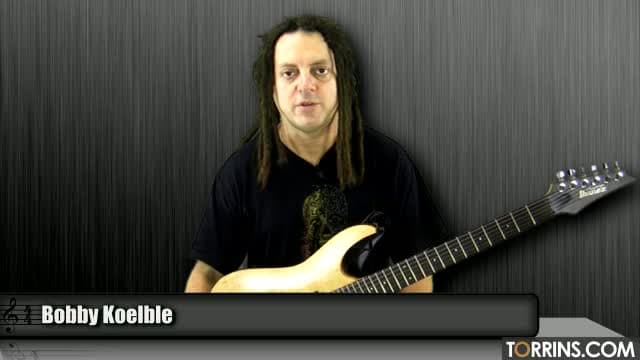
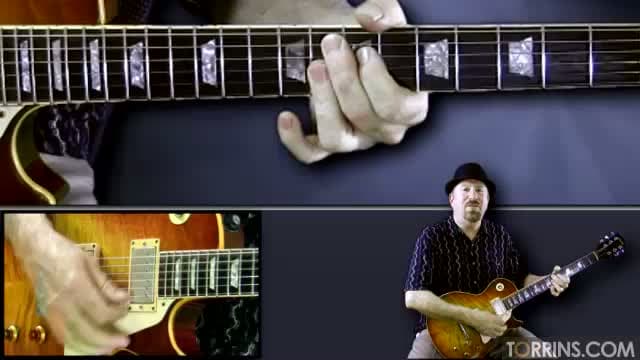
Get ready to master another death metal classic on Torrins—Symbolic by the band Death. This lesson is taught by Bobby Koelble himself, one of the guitarists on the original track. Bobby breaks down the song into several parts, covering essential chords, rhythms, and guitar tones, ensuring a detailed and engaging learning experience.
Fun Fact
Bobby Koelble joined Death after being recommended to Chuck Schuldiner, the band's co-founder, by a friend working at a local music store. Koelble and Schuldiner had known each other since high school in Orlando. After joining the band, Koelble toured with Death across the United States, Canada, Europe, and Japan before the band eventually disbanded.
Chords and Techniques Used in Symbolic
- Tuning: Standard tuning down a whole step
- Key: E minor
- Some of the chords used in this song are G#, F#, Bm, and A7. Tune in to the lesson to know the rest of the chords used in this song.
Song Structure
- Main Riff: The main riff repeats seven times and features vibrato, alternative picking, and palm muting. It includes a few power chords, one being G#.
- Chorus: The chorus riff follows the same pattern as the main riff but repeats 14 times. Tune in to the lesson for a detailed breakdown of the rest of the chorus.
- Solo Section: The solo section features four power chords. In this section, there’s a transition riff as well, which consists of four single notes and a power chord.
- Solo section played by Bobby in the original song: It is played in the key of F# and features chords like B minor, F# power chord, and A7—all diatonic to F#. He breaks down the solo into three sections: beginning, middle, and end and shares valuable tips on mastering the solo, including his creative process behind crafting the iconic riff.
Bobby plays all elements slowly, first to make it easier to follow, then repeats them at normal speed. He also explains the guitar tone in detail.
Why Learn Symbolic?
This lesson provides a detailed breakdown of one of death metal’s most iconic tracks. Bobby Koelble’s insight into the composition and technique will help you refine your alternative picking, palm muting, and power chord transitions. It's a challenging yet rewarding song to master for any metal guitarist. If you’re an advanced player or an intermediate player looking for songs to improve your techniques, this song has to be in your repertoire.
Tips to Improve Your Playing
- Start by playing the riffs at a slower pace, then gradually increase your speed.
- Pay close attention to the vibrato and palm muting techniques to capture the song’s unique tone.
- Focus on smooth chord transitions during the solo to maintain the song’s flow.
FAQs – Symbolic Guitar Lesson
Q1. Is this song suitable for beginners?
Ans: This lesson is recommended for intermediate to advanced players due to its fast-paced riffs and complex solos.
Q2. What tuning is used for this song?
Ans: The song is played in standard tuning down a whole step.









Introduction:
Looking to learn one of the most heartfelt love ballads ever written? Then this song tutorial of Eric Clapton’s hit song is a must-watch for you. This "Wonderful Tonight" guitar lesson, taught by Mike Dugan, breaks down the song into an easy-to-follow tutorial that’s perfect for both beginners and advanced players. Mike teaches you how to sing as well as play the song.
Fun Fact: Eric Clapton wrote "Wonderful Tonight" while waiting for his then-girlfriend, Pattie Boyd, to get ready for an event. Despite its simplicity, the song became his most downloaded track on Spotify, with over 480 million streams!
Chords Used in "Wonderful Tonight"
This lesson is taught in the key of G major, and it primarily uses open chords, making it accessible to beginners. Some of the main chords include:
- G
- Em
- D/F#
The lesson also covers additional chords and variations—tune in to discover them all!
Strumming Pattern & Rhythm Techniques
- Beginner-Friendly Strumming: Basic downstrums to ensure smooth transitions between chords.
- Advanced Strumming: The tutorial also covers a more complex strumming pattern used in the original recording. This involves subdivisions, where each beat is split into four 16th notes, creating a rhythmic groove with an alternate strumming pattern (DUDUDU) with accents.
- Special Techniques: The instructor introduces a unique method for adding accents, perfect for players looking to elevate their rhythm skills. Tune in to the lesson to learn how to do it.
Song Structure Breakdown
This tutorial follows the song’s original structure, making it easier to follow:
- Intro (played twice)
- Verse 1
- Intro section again
- Verse 2
- Bridge
- Intro played twice
- Verse 3 with a tag ending
- Intro played twice to fade out
Tip: The intro shares a similar progression to the first part of the verse, making it easier to grasp.
Walk-Down Technique & Chord Transitions
One of the standout features of this lesson is the walk-down technique, where the bass notes descend smoothly between chords. Mike provides a step-by-step breakdown of positioning complex chord shapes and making smooth transitions.
Sing & Play Lesson
Want to sing while playing? This lesson dedicates a section to teaching how to play and sing simultaneously, helping learners match their strumming with the song’s vocal phrasing.
Final Play-Along & Bonus Lesson
- The lesson ends with a play-along section featuring a backing track, allowing learners to practice the entire song with professional accompaniment.
- For a more in-depth approach to playing "Wonderful Tonight" in an authentic style, check out Steve Luciano’s version, which focuses on the intricacies of the guitar work of the song.
FAQs – "Wonderful Tonight" Guitar Lesson
Q1. Is this song beginner-friendly?
Yes! With just a few open chords and a straightforward rhythm, it’s perfect for beginners.
Q2. How can I improve my strumming for this song?
Start with basic downstrums, then work on the subdivided 16th-note pattern with accents for a more authentic feel.