Wanted Dead or Alive
Introduction
Intro Motif
Song Arrangement
Song Demo
Solo
Overdubs
No Description Available
Wanted Dead or Alive
Introduction
Intro Motif
Song Arrangement
Song Demo
Solo
Overdubs
Explore More in English Songs








Introduction
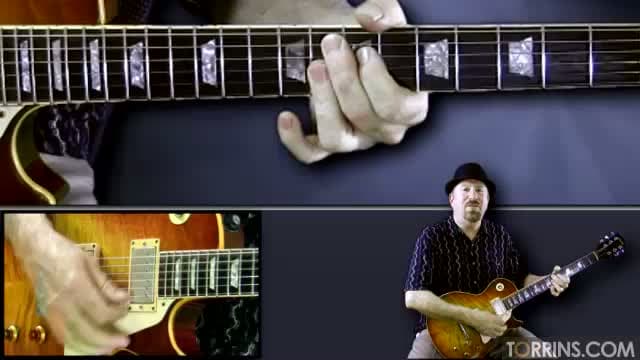
It’s time to grab your guitar and start strumming along with this detailed Let It Be guitar lesson on Torrins.com! This beginner-to-intermediate lesson is taught by our experienced tutor, Steve Luciano, who breaks down various components of the song—chords, rhythm, strumming pattern, and arrangement—into easy, digestible segments, helping you progress smoothly from one section to the next.
Interesting Fact: This classic Beatles song has a heartfelt story behind it. Paul McCartney wrote Let It Be after dreaming of his late mother, Mary, during a stressful time for The Beatles in 1968. In the dream, she comforted him, saying, “It will be all right, just let it be.” That message stayed with him and became the heart of the song. While many assume "Mother Mary" refers to the Virgin Mary, McCartney says it's open to interpretation.
The Let It Be guitar lesson is played in the key of C and consists of just four chords, two of which are C and F. Tune into the full lesson to learn the rest!
Chords Used in Let It Be Guitar Lesson
This popular Beatles song is an easy song to play and a great choice for beginners.
Many guitar learners struggle with the F chord, but don’t worry—Steve shares some solid tips on how to transition smoothly and play it comfortably. He also breaks down proper finger positioning to help you master F major with ease.
Strumming Pattern
You can keep it simple by playing this song entirely with downstrokes. However, if you want to add a little more rhythm, you can go with this pattern: DDDUDDDU.
A key thing to remember here is to keep your strumming hand moving at all times, even if you're not hitting the strings with every motion. This technique, often seen in older rock songs, helps create the right rhythmic feel.
Song Structure
The song follows a classic verse-chorus structure, but with subtle shifts that make it more dynamic.
- Intro: You’ll start with two chords per measure, but pay attention to the rhythm as it sets the tone for the whole track.
- Verse: The same two-chords-per-measure pattern continues here, but consistency in your strumming is key. If your rhythm slips even a little, it throws off the groove.
- Chorus & Bridge: These sections reuse the verse’s chord progression, but the transitions feel tighter and more energetic.
Steve walks you through how to manage these shifts without losing momentum, especially the jump between sections, which trips up a lot of learners.
Rhythm & Right-Hand Technique
Even though the chords in this song are simple, the rhythm requires practice. Once the lyrics kick in, the right hand needs to move at 16th note speed (which are four evenly spaced notes for every beat) to create the desired groove. The trick here is that you don’t have to hit the strings every time—just keep your hand moving consistently to stay in time.
Mastering this technique will not only make your playing sound great but will also help build your overall strumming coordination.
Why Learn Let It Be?
- It's an easy song with simple chords, making it great for beginners.
- Helps improve chord transitions, especially switching to and from F major.
- Teaches right-hand rhythm control, a skill that translates to many other songs.
- Works as a great sing-along song, making it fun to play with others!
FAQs – Let It Be Guitar Lesson
Q1. Do I need a capo?
No, Let It Be is played in the key of C and doesn’t require a capo.
Q2. Can I use a different strumming pattern?
Absolutely! You can stick with simple downstrokes or try the DDDUDDDU pattern for more variation. Just remember to keep a steady rhythm.
Interesting Fact: This classic Beatles song has a heartfelt story behind it. Paul McCartney wrote Let It Be after dreaming of his late mother, Mary, during a stressful time for The Beatles in 1968. In the dream, she comforted him, saying, “It will be all right, just let it be.” That message stayed with him and became the heart of the song. While many assume "Mother Mary" refers to the Virgin Mary, McCartney says it's open to interpretation.



Similar Metal Songs






Introduction:
Torrins brings you an electrifying guitar lesson—Symphony of Destruction by Megadeth, taught by Clay Foster. This heavy-hitting metal track is part of our guitar song lesson series and is broken down into easy-to-follow sections.
Fun Fact: In an interview, vocalist Dave Mustaine shared that the lyrics for Symphony of Destruction were sparked by a headache he got while driving home. He scribbled the first lines on the back of a sushi receipt—“My metal brain’s corroding, my head is going to explode.” That spontaneous moment led to one of Megadeth’s most iconic songs, recorded on their fifth studio album Countdown to Extinction in 1992.
Song Arrangement
The song is taught in separate segments so you can master each part before moving to the next.
The song is in the key of E.
Verse
Verse is built around the F power chord and an open E power chord, along with other chords.
Downstrokes and palm muting are used in the verse—make sure to mute the strings to avoid letting notes ring out too long. Clay shares techniques like using your thumb or extra fingers to stop the sound cleanly.
Pre-Chorus
Features open palm muting and chromatic downs, creating that tight, chugging rhythm. Our lessons have a 3-angle video setup so you can clearly see hand positions and copy along easily.
Chorus
This section opens up with ringing E chords and a chromatic descending run. Chords like Bb, G#, and the D power chord makes the chorus sound more intense. Though it’s slightly more complex than the verse, Clay carefully breaks down the finger positioning and covers some fingerpicking techniques to help you through it.
After the first chorus, the main riff returns and leads into the second verse and pre-chorus, just like earlier.
The second chorus is a bit longer. The first half mirrors the first chorus, while the second half introduces new elements. Clay walks you through the difference so you can follow along confidently.
Solo Lesson
Clay breaks down the guitar solo into manageable sections.
- The first part has a bluesy riff with vibrato, bending, and palm muting.
- The second part is a 16-note rhythmic figure built around the Am6 chord, featuring some sliding techniques.
- Tune into the lesson to learn each section in detail and pick up essential phrasing skills along the way.
Sound and Tone
To capture the song’s feel, Clay dives into the tone settings. The tone is mid-rangy, which is a signature sound of Marty Friedman. Clay recommends listening to some of Friedman’s work to understand the sweet, expressive tone he’s known for.
For gear settings, Clay suggests using the middle pickup to replicate that tone more accurately.
Song Demo
The lesson wraps up with a full song demo, where Clay ties everything together. You can play along with him to practice transitions, polish your technique, and check your accuracy in real time.
FAQs – Symphony of Destruction Guitar Lesson
Q1: Is this song beginner-friendly?
Yes. While it has a few technical sections, the lesson breaks everything down clearly and provides enough guidance for newer players.
Q2: Do I need specific gear for the tone?
Clay suggests using a mid-range-focused setting with the middle pickup to get closer to Marty Friedman's tone. However, you can start with what you have and tweak as needed.
Q3: Is the solo hard to learn?
It’s approachable when broken into parts. Clay walks you through each phrase, so with some practice, you’ll be able to nail it.

Introduction:
Torrins brings you an in-depth guitar lesson on Zero Tolerance by Death, taught by none other than Bobby Koelble—one of the original guitarists on the track. This lesson dissects the song’s intricate riffs, multiple solos, and unique techniques to help you master this classic death metal piece.
Fun Fact: The title Zero Tolerance was later used for two compilation albums released under Chuck Schuldiner’s name, featuring rare demo material from both Death and Control Denied.
Tuning and Song Structure
- Standard tuning, down a whole step.
- Multiple solos from both Chuck Schuldiner and Bobby Koelble.
- This Lesson is structured into key sections: Introduction, Intro Riff, Solo-1 (Chuck), Chorus, Bridge, Main Solos (Chuck & Bobby), Solo 2 (Bobby), Song Demo, and Final Note on Chorus.
- Make sure to use the provided chords and tabs to follow along!
Breaking Down the Song
Intro Riff
- Mostly in the key of E minor.
- Straightforward riff featuring power chords, including low E power chords.
- Incorporates muted string techniques for a tight and punchy sound.
First Solo (Chuck Schuldiner)
- Simple power chord progression in the background, one of which is C.
- Features an E minor major 7 arpeggio.
- Chuck was known for focusing on feel rather than strict technical terms—tune into the lesson for an in-depth breakdown!
Chorus
- Includes a riff and a melody.
- Has a slow tempo (for a Death song), making it one of the easier riffs to play.
- Features low E power chords, single notes, and palm-muted sections, along with other chords.
Bridge
- A relatively easy section featuring some power chords and palm-muted notes.
- Watch the lesson to master the additional chords!
Main Solo (Chuck Schuldiner)
- Opens with a harmonized melodic lick up the 3rd.
- Uses the A harmonic minor scale.
- Bobby shares valuable insights on writing melodic solos—a must-watch for aspiring songwriters.
Main Solo (Bobby Koelble)
- Played in F# minor.
- Starts with an introductory lick harmonized up a 5th, then shifts to a minor 3rd harmony.
- Solo is broken down into multiple digestible sections for easy learning.
Solo 2 (Bobby Koelble)
- A short but technical solo occurring between the verse and chorus.
- Starts with a C note and a tapped harmonic.
- This section covers artificial harmonics.
Final Note on Chorus
- Discusses the background chords heard in the final chorus.
- Bobby teaches unique finger positioning techniques to recreate the exact sound.
Song Demo & Summary
To wrap it all up, Bobby plays the full song with a backing track, demonstrating how all the sections come together.
Why Learn Zero Tolerance?
- Learn palm muting, power chord progressions, and harmonized melodies.
- Master multiple solo styles, from Chuck’s emotive phrasing to Bobby’s technical intricacies.
- Get valuable songwriting and soloing insights from an original artist of the song.
FAQs – Zero Tolerance Guitar Lesson
Q1. Is this lesson beginner-friendly?
- This lesson leans more towards intermediate to advanced players.
Q2. How can I improve my palm muting technique?
- Focus on muting with the side of your palm near the bridge while maintaining a tight, controlled attack.
Q3. Are tabs provided for the lesson?
- Yes! The chords and tabs included will help you nail every section.