Introduction
Introduction:
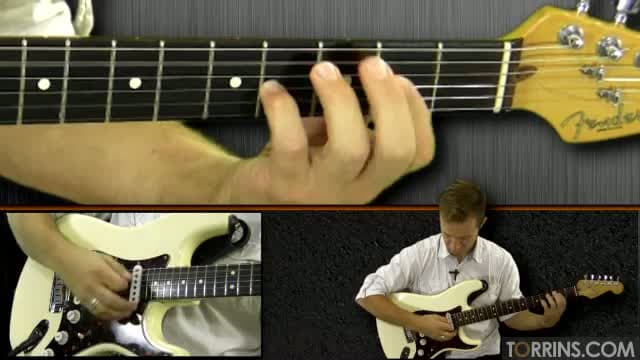
Smooth By Santana is a mix of rock, blues, and it combines some melodies of Latin rhythms as well. So if you are someone who is interested in learning the ways of Santana this should be a great starting point for your musical journey.
Fun Fact: In the beginning the song was called Room 17 and the idea of the song came to the mind of Itaal Shur, but then lyrics were all take out from the song and it was given to Rob Thomas, who completely re-wrote the song and changed its original melody, that’s how Smooth came into existence by Santana.
Chords Used in Song Guitar Lesson
Arpeggios Verse & Chorus Chords: The arpeggios for this song are as follows:
e|------1-------------|
B|----3---3----------|
G|--2-------2--------|
D|--------------------|
A|--------------------|
E|--------------------|
Strumming Pattern
There are two strumming patterns for this song, the first one is pretty basic and you can play it like this: DD UU DU.
- D = Down Strum
- U = Up Strum
Or you can play this version which adds more groove to the song: DD X UDU.
- D = Down Strum
- U = Up Strum
- X = Muted Strum
Song Structure
Introduction: In this introduction, Mike is going to show you how to tune up your guitar for this song.
Song Arrangement: Here, you will learn about the different guitar rhythms that you will be following as you play the song. Mike starts explaining every rhythm starting with the intro section.
Song Demo: Over here, Mike is going to show you how to play the guitar parts of the song with the backing track.
Solo 1: From this part, you will start learning how to play different solos which come in the song. This is the first solo performed by Santana in the first part of the song.
Overdub Licks: This particular section shows how to play a particular lick which is being played at the 32 second of the track.
Solo 2: This is the second solo from the song.
Solo 3: Solo which comes after the verses.
Outro Solo: This one is the last solo which Santana played and it was used as an outro for the song.
Why Learn Smooth By Santana?
Carlos Santana is known throughout the world for his amazing phrasing and his ability to sustain heavy tones on the guitar. As you learn this song, you will get to know about techniques like Vibrato, sustain, melodic soloing and smooth transition between the lead and the rhythm of the song.
FAQs-This Song Guitar Lesson
Q1. Who originally sang “Smooth?”
Ans. Smooth was performed by Santana & Rob Thomas who were part of a band called Matchbox Twenty. This song was released as a lead single from the 1999s studio album, Supernatural.
Q2. What made Santana so famous in the music industry?
Ans. Santana became much more popular after their incredible set which they performed live at Woodstock in 1969. In that same year, the band also released their self-entitled LP as well.
Q3. Is Santana considered to be a good guitarist of his time?
Ans. Santana is known to be the man who invented the Latin rock guitar genre, making it stand as one of the best of his generation.
Smooth
Introduction
Song Arrangement
Song Demo
Solo 1
Overdub Licks
Solo 2
Solo 3
Outro Solo
Introduction:
Smooth By Santana is a mix of rock, blues, and it combines some melodies of Latin rhythms as well. So if you are someone who is interested in learning the ways of Santana this should be a great starting point for your musical journey.
Fun Fact: In the beginning the song was called Room 17 and the idea of the song came to the mind of Itaal Shur, but then lyrics were all take out from the song and it was given to Rob Thomas, who completely re-wrote the song and changed its original melody, that’s how Smooth came into existence by Santana.
Chords Used in Song Guitar Lesson
Arpeggios Verse & Chorus Chords: The arpeggios for this song are as follows:
e|------1-------------|
B|----3---3----------|
G|--2-------2--------|
D|--------------------|
A|--------------------|
E|--------------------|
Strumming Pattern
There are two strumming patterns for this song, the first one is pretty basic and you can play it like this: DD UU DU.
- D = Down Strum
- U = Up Strum
Or you can play this version which adds more groove to the song: DD X UDU.
- D = Down Strum
- U = Up Strum
- X = Muted Strum
Song Structure
Introduction: In this introduction, Mike is going to show you how to tune up your guitar for this song.
Song Arrangement: Here, you will learn about the different guitar rhythms that you will be following as you play the song. Mike starts explaining every rhythm starting with the intro section.
Song Demo: Over here, Mike is going to show you how to play the guitar parts of the song with the backing track.
Solo 1: From this part, you will start learning how to play different solos which come in the song. This is the first solo performed by Santana in the first part of the song.
Overdub Licks: This particular section shows how to play a particular lick which is being played at the 32 second of the track.
Solo 2: This is the second solo from the song.
Solo 3: Solo which comes after the verses.
Outro Solo: This one is the last solo which Santana played and it was used as an outro for the song.
Why Learn Smooth By Santana?
Carlos Santana is known throughout the world for his amazing phrasing and his ability to sustain heavy tones on the guitar. As you learn this song, you will get to know about techniques like Vibrato, sustain, melodic soloing and smooth transition between the lead and the rhythm of the song.
FAQs-This Song Guitar Lesson
Q1. Who originally sang “Smooth?”
Ans. Smooth was performed by Santana & Rob Thomas who were part of a band called Matchbox Twenty. This song was released as a lead single from the 1999s studio album, Supernatural.
Q2. What made Santana so famous in the music industry?
Ans. Santana became much more popular after their incredible set which they performed live at Woodstock in 1969. In that same year, the band also released their self-entitled LP as well.
Q3. Is Santana considered to be a good guitarist of his time?
Ans. Santana is known to be the man who invented the Latin rock guitar genre, making it stand as one of the best of his generation.
Smooth
Introduction
Song Arrangement
Song Demo
Solo 1
Overdub Licks
Solo 2
Solo 3
Outro Solo
Explore More in English Songs



Introduction
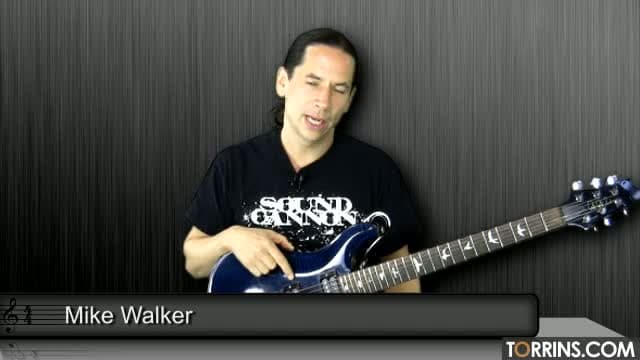
Join our expert instructor, Bobby Koeble, for an in-depth lesson on "Always With Me, Always With You" by Joe Satriani. This song is a lyrical masterpiece known for its challenging legato-style licks and smooth melodic phrasing. This intermediate to advanced-level lesson will walk you through every section of the song, helping you master both the technical and emotional elements that make it so iconic.
Interesting fact: Joe Satriani wrote "Always With Me, Always With You" as a heartfelt tribute to his wife. Unlike many of his other complex, high-energy tracks, this song stands out for its melodic simplicity and emotional depth. Satriani has said that the song represents a peaceful and constant connection with his wife, capturing the feeling of always being together no matter the distance.
Bobby has broken down the song lesson into various sections for a detailed understanding.
- Introduction
- Separate lessons for Solo section 1-6
- Conclusion and backing track
Chords Used
This song is in the key of B major and follows a 3/4 time signature. Some of the key chords used are:
- B11 – Uses the E string for added depth.
- E major – Bobby teaches a unique fingering that differs from standard chord shapes.
- G# minor and F#sus4 – Essential for the song’s harmonic feel.
Tune into the song lesson to learn the rest of the chords that make up this song.
Strumming Pattern
The rhythm of this song is signature to the tune. It follows a strict 8-note rhythm with incorporated techniques such as:
- Palm muting
- Arpeggios
- Sliding
Bobby also shares alternative ways to approach the rhythm so you can find what works best for you.
Song Structure
This song features a flowing, solo-driven structure:
Intro: It has a lyrical melody featuring legato-style licks
Solo Section 1: It is played in the key of B major and incorporates harmonics, vibrato, and sliding.
Solo Section 2: Moves higher up the neck and incorporates heavy use of vibrato and smooth phrasing.
Solo Section 3: This section has a harmony and melody change and is slightly longer and more complex. It introduces left-hand legato techniques.
Solo Section 4: Main melody moves up an octave and incorporates two-handed tapping.
Solo Section 5: It is the most rhythmically challenging part that includes double stops and varied phrasing.
Solo Section 6: Returns to the earlier melody with subtle variations in slide and inflexion. It has a fast legato-based lick to close out.
Outro: Bobby wraps up the lesson by playing along with the backing track
Why Learn This Song?
- Master left-hand legato techniques
- Develop precise control over sliding and vibrato
- Incorporate bluesy elements into your playing
- Build confidence with soloing and tapping
FAQs- Always With Me, Always With You Song Guitar Lesson
Q1. Is this song suitable for beginners?
No, this lesson is best for intermediate to advanced players due to the complex legato and tapping techniques.
Q2. How can I improve my sliding and vibrato?
Focus on timing and pressure consistency. Bobby shares detailed tips on mastering both.










Introduction
Get ready to master another death metal classic on Torrins—Symbolic by the band Death. This lesson is taught by Bobby Koelble himself, one of the guitarists on the original track. Bobby breaks down the song into several parts, covering essential chords, rhythms, and guitar tones, ensuring a detailed and engaging learning experience.
Fun Fact
Bobby Koelble joined Death after being recommended to Chuck Schuldiner, the band's co-founder, by a friend working at a local music store. Koelble and Schuldiner had known each other since high school in Orlando. After joining the band, Koelble toured with Death across the United States, Canada, Europe, and Japan before the band eventually disbanded.
Chords and Techniques Used in Symbolic
- Tuning: Standard tuning down a whole step
- Key: E minor
- Some of the chords used in this song are G#, F#, Bm, and A7. Tune in to the lesson to know the rest of the chords used in this song.
Song Structure
- Main Riff: The main riff repeats seven times and features vibrato, alternative picking, and palm muting. It includes a few power chords, one being G#.
- Chorus: The chorus riff follows the same pattern as the main riff but repeats 14 times. Tune in to the lesson for a detailed breakdown of the rest of the chorus.
- Solo Section: The solo section features four power chords. In this section, there’s a transition riff as well, which consists of four single notes and a power chord.
- Solo section played by Bobby in the original song: It is played in the key of F# and features chords like B minor, F# power chord, and A7—all diatonic to F#. He breaks down the solo into three sections: beginning, middle, and end and shares valuable tips on mastering the solo, including his creative process behind crafting the iconic riff.
Bobby plays all elements slowly, first to make it easier to follow, then repeats them at normal speed. He also explains the guitar tone in detail.
Why Learn Symbolic?
This lesson provides a detailed breakdown of one of death metal’s most iconic tracks. Bobby Koelble’s insight into the composition and technique will help you refine your alternative picking, palm muting, and power chord transitions. It's a challenging yet rewarding song to master for any metal guitarist. If you’re an advanced player or an intermediate player looking for songs to improve your techniques, this song has to be in your repertoire.
Tips to Improve Your Playing
- Start by playing the riffs at a slower pace, then gradually increase your speed.
- Pay close attention to the vibrato and palm muting techniques to capture the song’s unique tone.
- Focus on smooth chord transitions during the solo to maintain the song’s flow.
FAQs – Symbolic Guitar Lesson
Q1. Is this song suitable for beginners?
Ans: This lesson is recommended for intermediate to advanced players due to its fast-paced riffs and complex solos.
Q2. What tuning is used for this song?
Ans: The song is played in standard tuning down a whole step.
Similar Rock Songs


Introduction
Tune into a simple fingerpicking guitar song lesson on "Goodbye Blue Sky" on Torrins. This lesson is led by our instructor, Steve Luciano, who breaks down the various sections of the song for easy understanding. This Goodbye Blue Sky guitar tutorial covers the strumming pattern, fretting, and rhythm techniques that make this song sound so great.
Interesting Fact: The song’s soft, almost lullaby-like melody is a stark contrast to its dark theme of war and destruction. Roger Waters wrote it as a reflection of his childhood memories of the London Blitz during World War II. The track opens with a child's voice saying, "Look, mummy, there's an aeroplane up in the sky!"—a chilling moment that symbolizes the innocence of youth being shattered by the horrors of war.
Chords & Tuning
"Goodbye Blue Sky" is a simple fingerpicking song. Before getting started, tune your 6th string to Drop D—this gives the song its deep, resonant tone.
Fingerpicking Pattern
The fingerpicking technique adds an intricate and melodic touch to this song while keeping the rhythm steady, making this song perfect for practising control and precision.
Song Structure & Techniques
The song kicks off with a repeating section that features pull-offs, adding a smooth, connected feel to the melody. This section repeats four times and helps build fluidity in your playing. If you’re still getting comfortable with pull-offs, be sure to explore our in-depth lesson on this essential technique.
As the arrangement develops, you’ll come across hammer-ons, which lend a punchier articulation to the notes. Steve also incorporates power chords, specifically B and F#, along with an open G, contributing to a fuller, more dynamic sound. Later in the progression, he introduces barre chords across the 2nd and 3rd strings, creating a seamless, flowing texture. These techniques come together to give the song its distinct blues-rock character while helping you improve precision and control.
Learning Made Easier
The 3-angle camera view makes learning such songs so much easier. With dedicated angles on strumming, fretting, and an overall view, you get a detailed, close-up look at all the intricate finger movements, helping you learn efficiently and effectively.
Pro Tip for Mastering the Song
Steve recommends breaking the song into sections and practising each part individually before putting everything together. This will ensure you develop muscle memory for clean and precise playing.
FAQs – "Goodbye Blue Sky" Guitar Lesson
Q1. Is this song beginner-friendly?
A: While the song follows a simple fingerpicking style, it requires coordination and control. It's great for beginners looking to build finger independence and practice melodic fingerpicking.
Q2. Do I need to use a pick for this song?
A: No, this song is best played with fingerpicking, which gives it its signature soft and flowing sound.
Q3. What’s the best way to improve my fingerpicking accuracy?
A: Slow down and focus on precision before building up speed. Keep your right hand relaxed, and ensure each note rings out clearly.