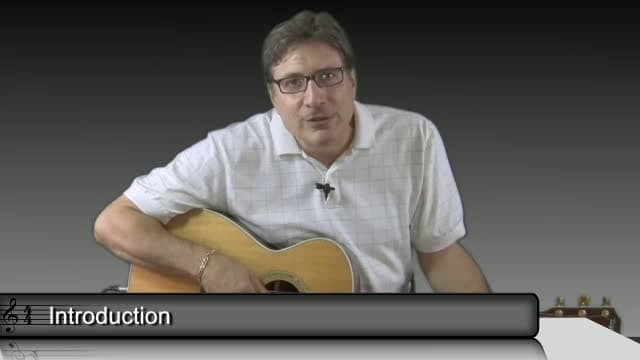
Introduction
Game of Throne Rock Version Cover by Kfir Ochaion - Introduction
The "Game of Thrones" theme is one of the most recognizable TV scores ever written, and Kfir Ochaion’s rock cover gives it a powerful new energy. Kfir is an Israeli guitarist known for turning vocal melodies into expressive guitar lines. His version takes the original orchestral arrangement and transforms it into a full rock instrumental, complete with soaring leads and heavy rhythms. The cover stays true to the epic feel of the original while adding guitar-driven intensity.
Kfir Ochaion started playing guitar at age 10, inspired by classic rock legends. His YouTube channel, launched in 2014, has grown to over 2.2 million subscribers thanks to his unique style. He doesn’t just play the notes—he makes the guitar "sing" like a human voice. This "Game of Thrones" cover is a great example of his approach, where every bend and vibrato mimics the drama of the original melody. His version keeps the song’s grand scale but makes it fit perfectly for electric guitar.
Game of Throne Rock Version Cover by Kfir Ochaion Guitar Lesson
Taught by Mike Walker, this lesson breaks down Kfir Ochaion’s rock arrangement of the "Game of Thrones" theme. The song is in E minor, and the main melody follows the original tune closely but with added rock techniques. The opening riff uses sustained notes with wide vibrato to copy the horn section from the TV version. The left hand must control each note’s pitch carefully to keep the melody sounding smooth and powerful.
The rhythm parts use palm-muted power chords to build tension in the verses. The pre-chorus switches to open chords with ringing arpeggios, creating contrast before the heavy riff returns. Kfir’s version includes a guitar solo section that wasn’t in the original. This solo uses the E harmonic minor scale for a dramatic, cinematic sound. Fast alternate picking runs and controlled bends make this part challenging but rewarding to learn.
For the main theme, Kfir uses slides and legato to connect notes fluidly. The phrasing is key, with pauses in the right places. The chorus brings big power chords and double stops to thicken the sound. Dynamic control is crucial here, as the part shifts between loud, aggressive strums and softer, cleaner passages.
Beginners should start by learning the melody slowly, focusing on note accuracy before adding vibrato. Intermediate players can work on the solo’s faster licks and the precise muting needed for the rhythm parts. Advanced guitarists should study how Kfir blends techniques—hybrid picking, bends, and harmonics—to make the guitar sound almost orchestral.
FAQs
Q. What effects does Kfir use in this cover?
A medium-gain overdrive, delay for atmosphere, and reverb to create space.
Q. Is this song good for beginners?
The melody is playable at slower speeds, but the solo and dynamic control require intermediate skills.
Q. How do I practice the fast alternate picking parts?
Use a metronome starting at half speed. Increase tempo only when you can play cleanly.
Game of Throne Rock Version
Introduction
Intro Part
Section A
Section B
Section C
Section D
Song Demo
Game of Throne Rock Version Cover by Kfir Ochaion - Introduction
The "Game of Thrones" theme is one of the most recognizable TV scores ever written, and Kfir Ochaion’s rock cover gives it a powerful new energy. Kfir is an Israeli guitarist known for turning vocal melodies into expressive guitar lines. His version takes the original orchestral arrangement and transforms it into a full rock instrumental, complete with soaring leads and heavy rhythms. The cover stays true to the epic feel of the original while adding guitar-driven intensity.
Kfir Ochaion started playing guitar at age 10, inspired by classic rock legends. His YouTube channel, launched in 2014, has grown to over 2.2 million subscribers thanks to his unique style. He doesn’t just play the notes—he makes the guitar "sing" like a human voice. This "Game of Thrones" cover is a great example of his approach, where every bend and vibrato mimics the drama of the original melody. His version keeps the song’s grand scale but makes it fit perfectly for electric guitar.
Game of Throne Rock Version Cover by Kfir Ochaion Guitar Lesson
Taught by Mike Walker, this lesson breaks down Kfir Ochaion’s rock arrangement of the "Game of Thrones" theme. The song is in E minor, and the main melody follows the original tune closely but with added rock techniques. The opening riff uses sustained notes with wide vibrato to copy the horn section from the TV version. The left hand must control each note’s pitch carefully to keep the melody sounding smooth and powerful.
The rhythm parts use palm-muted power chords to build tension in the verses. The pre-chorus switches to open chords with ringing arpeggios, creating contrast before the heavy riff returns. Kfir’s version includes a guitar solo section that wasn’t in the original. This solo uses the E harmonic minor scale for a dramatic, cinematic sound. Fast alternate picking runs and controlled bends make this part challenging but rewarding to learn.
For the main theme, Kfir uses slides and legato to connect notes fluidly. The phrasing is key, with pauses in the right places. The chorus brings big power chords and double stops to thicken the sound. Dynamic control is crucial here, as the part shifts between loud, aggressive strums and softer, cleaner passages.
Beginners should start by learning the melody slowly, focusing on note accuracy before adding vibrato. Intermediate players can work on the solo’s faster licks and the precise muting needed for the rhythm parts. Advanced guitarists should study how Kfir blends techniques—hybrid picking, bends, and harmonics—to make the guitar sound almost orchestral.
FAQs
Q. What effects does Kfir use in this cover?
A medium-gain overdrive, delay for atmosphere, and reverb to create space.
Q. Is this song good for beginners?
The melody is playable at slower speeds, but the solo and dynamic control require intermediate skills.
Q. How do I practice the fast alternate picking parts?
Use a metronome starting at half speed. Increase tempo only when you can play cleanly.
Game of Throne Rock Version
Introduction
Intro Part
Section A
Section B
Section C
Section D
Song Demo
Explore More in English Songs

Introduction:
Torrins brings you another legendary blues guitar lesson—Stormy Monday as played by The Allman Brothers Band, taught by Mike Dugan. This classic blues song is packed with soulful chords, smooth rhythm, and expressive lead playing, making it a must-learn for any blues guitarist.
Fun Fact: Originally written by T-Bone Walker, Stormy Monday inspired blues legends like B.B. King to pick up the electric guitar. Moreover, the Allman Brothers' 1971 version, with jazzy organ and extended solos, transformed it into an iconic 8-minute masterpiece.
Chords & Song Arrangement
- This song follows a 12-bar blues progression in the key of G, incorporating both open and barre chords:
- Chords Used – G#7, Am7, Bbm7, and more. Some chords are barre chords, but Mike provides easier alternatives for different playing levels.
- Since T-Bone was known for his 9th chords, Mike also teaches 9th chord variations to bring out that authentic blues feel.
- The song includes a subtle sharp climb, adding to the T-Bone Walker-style phrasing.
Rhythm & Strumming Pattern
- Time Signature: 4/4
- Main Rhythm: A slow blues groove with a simple strumming pattern at first.
- Alternative Rhythm: A 6-feel rhythm (double-time feel), adding an upbeat bluesy bounce.
Mike also demonstrates advanced rhythmic techniques, incorporating double stops, slides, and dynamic accents to enhance the song’s groove.
Intro Lick, Turnaround & Ending
- Intro Lick – A G9 chord-based intro, first broken down in a simplified version before introducing more advanced variations using sharp and augmented chords.
- Turnaround – Mike walks through classic turnaround chords, showing how they fit into the blues form.
- Ending – He teaches a common blues-style ending which is useful for countless other blues songs.
Sing & Play – Coordinating Vocals & Guitar
Want to sing while playing? Mike shares practical tips on how to sync your vocals with the guitar. He encourages adding your own feel to the song while staying true to its blues roots.
Lead Fills & Lead Playing
- Lead Fills: The lesson starts with small lead fills that complement the vocals.
- Key & Scales: He uses the G minor pentatonic blues scale and major blues in G for expressive phrasing.
- Playing Lead in Slow Blues: Mike demonstrates bends, sustains, and dynamics, making your solos sound rich and emotional.
Improvisation & Playing with a Backing Track
- Here Mike explains how to improvise and when to use the major vs. minor scale. He also demonstrates how to craft a melodic, bluesy solo.
- Follow his approach, and soon, you’ll be confidently improvising your own slow blues solos!
Final Playthrough with Backing Track
To wrap up the lesson, Mike plays the full song with a backing track, reinforcing all the techniques covered. Watch closely and play along to lock in the feel and phrasing of this blues classic.
Why Learn Stormy Monday?
- Classic blues structure – great for understanding blues chord progressions.
- Improves both rhythm & lead playing – covers everything from chords to expressive solos.
- Perfect for improvisation – teaches you how to craft slow blues solos with feel.
FAQs – Stormy Monday Guitar Lesson
Q1: Is this lesson beginner-friendly?
Yes! Mike provides simplified chord alternatives and breaks down the song step by step.
Q2: What’s the most challenging part?
The double-time solo can be tricky, but Mike teaches how to ease into it.
Q3: How do I make my solos sound bluesier?
Focus on bends, vibrato, and using both the major & minor blues scales—all of which Mike explains in detail!







Similar Rock Songs



Introduction:
Torrins brings you an exciting guitar lesson "Wonderwall" by Oasis, taught by Mike McQuinn. This timeless classic is a must-learn for any guitarist, helping you master chord variations, strumming patterns, and how to play and sing simultaneously. Mike breaks down this song lesson into multiple lessons for easy learning - Introduction, Chords and Strumming, Sing and Play and Song Demo.
Fun Fact: In October 2020, "Wonderwall" became the first song from the 1990s to surpass one billion streams on Spotify. Today, it ranks as the second most-streamed song from that decade, following Nirvana's "Smells Like Teen Spirit”.
Chords Used in Wonderwall Guitar Lesson: The song is built around five essential chord patterns, which you’ll learn in detail in the song lesson. Some of the chords that make up this song are: G, Em7, Dsus4, A7Sus4, Cadd9. Tune in to the lesson to learn the rest.
One chord pattern includes a walk-down pattern for smooth transitions.
All chords are played with a capo on the 2nd fret
Strumming Pattern The primary strumming pattern is:
- DDUDUDDUDUDD (Repeats UDUDD three times and ends with UD)
- An alternate strumming pattern is used in the walk-down chord section—learn the difference in the lesson!
Song Structure & Breakdown This lesson is divided into multiple sections for easy learning:
- Introduction: This section has an overview of the lesson structure and key techniques.
- Chords & Strumming: This section includes all the chords used in this song, and Mike shares the five essential chord patterns that make up this song. He demonstrates how to transition smoothly. The song finishes with a repetitive lead part—Mike explains how to master it effortlessly. He shares tips to master the rhythm of the song.
- Sing & Play: Mike teaches how to coordinate vocals with guitar playing, gearing you up for jamming sessions!
- Song Demo: The song lesson ends with a full demonstration of the song to tie everything together.
Tip: Follow along with the Tabs provided with the song lesson for quick and effective learning.
Why Learn Wonderwall?
- Learning this song will help you improve chord transition and variation skills.
- It will also help you master rhythm consistency with its distinct strumming pattern.
- It will enhance your ability to play and sing simultaneously.
FAQs – Wonderwall Guitar Lesson
Q1. Is this song beginner-friendly?
Ans- Yes! The chords are slight variations to basic chords and are used repetitively, making it a great song for all skill levels.
Q2. Do I need a capo?
Ans- Yes, the song is played with a capo on the 2nd fret to match the original key.
Q3. How do I improve my strumming for this song?
Ans- Focus on maintaining a relaxed wrist and practice the primary strumming pattern slowly before speeding up.
Introduction
Do you want to learn a classic blues rock song—one that almost everyone has heard and can get anyone grooving? You’re exactly where you need to be. Tune into the guitar lesson for Cream’s Sunshine of Your Love on Torrins.com, led by our expert tutor Steve Luciano.
He breaks down this song into Introduction, Chords, Rhythm, and shares great tips on everything from finger positioning to chord transitions, to ensure a smooth learning journey. You can also find tabs and lyrics for this song, along with the guitar tutorial.
Chords Used in Sunshine of Your Love Song Tutorial
Verse & Chorus Chords: Power Chords
This song heavily relies on 5th root power chords (two-note chords made of the root note and its fifth), making it a must-learn for mastering chord transitions and control. Some of the chords used in this lesson are D, C, and Ab.
Mastering these chord transitions will significantly improve your power chord fluency.
Strumming & Rhythm Pattern
The rhythm alternates between a DDD pattern and a DUD pattern, giving the song its signature groove.
Song Structure
Sunshine of Your Love follows a 24-measure form, making it an excellent song for developing rhythm consistency and smooth chord shifts.
- The intro starts with a power chord on the 6th string
- A few measures later, the riff transitions to the 5th string (Make sure the 6th string is muted!)
- The position changes again as the song progresses
Steve also points out parts of the song where he uses string bending. It’s a technique that adds emotion and character to notes, often giving the song a signature bluesy rock vibe.
Why Learn Sunshine of Your Love Song on Guitar?
Learning how to play this song on guitar helps you master techniques like string bending and gain fluency over power chords. Learning these techniques helps you add expressive dynamics to your playing, and power chords are essential for classic rock and blues.
Sunshine of Your Love is a perfect song to add to your repertoire if you wish to develop better finger positioning & control and enhance your rhythm skills with a structured song.
FAQs – Sunshine of Your Love Guitar Lesson
Q1: Can I learn the song Sunshine of Your Love on guitar without tabs and lyrics?
Sure, it’s possible — but why make it harder than it needs to be? The tabs and lyrics included in our tutorial are there to guide you through the structure, chord changes, and timing. Especially if you're still building confidence, they’ll save you hours of trial and error.
Q2: What techniques will this lesson help me improve?
This lesson is a goldmine for anyone looking to tighten their rhythm and power chord game. You'll get hands-on with strumming patterns, chord transitions, and some expressive string bending — all crucial techniques if you're aiming to play blues or classic rock with the right attitude and feel.
Fun Fact: The iconic riff of Sunshine of Your Love was directly inspired by Jimi Hendrix! After witnessing Hendrix's electrifying performance at London’s Saville Theatre on January 29, 1967, Cream’s bassist Jack Bruce went home and came up with the song’s signature riff that same night, and then the song was written on top of it. Guitarist Eric Clapton later described it as a tribute to Hendrix’s incredible playing.
Introduction
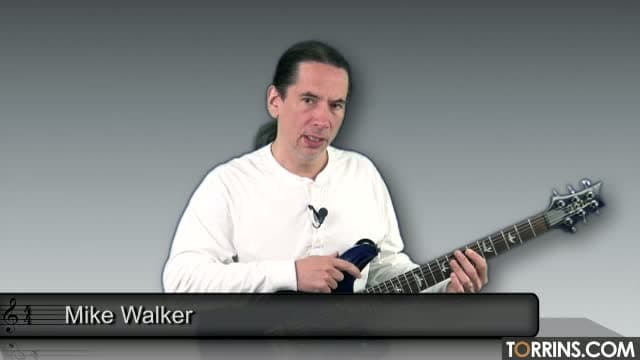
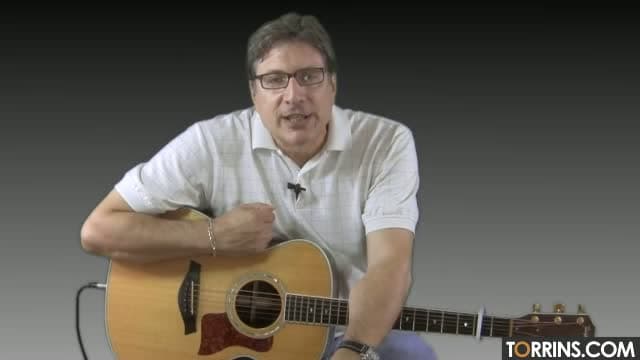
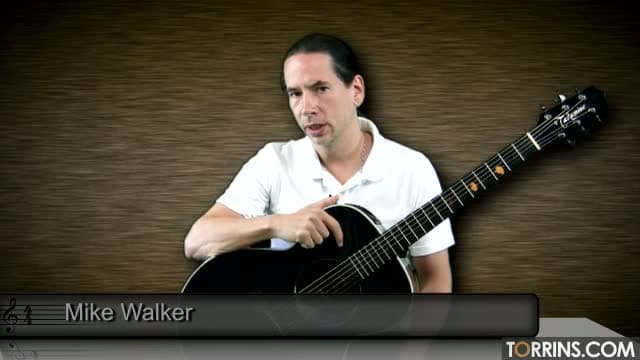
Want to learn some popular tunes from the mid-'90s? Torrins has got you covered! Tune into our guitar song lesson on James Taylor’s version of the 1959 hit Handy Man. This song tutorial is led by our expert teacher, Steve Luciano, who has decades of experience teaching and playing guitar. He breaks down the Handy Man lesson into chords, rhythm, and strumming patterns to make learning this song a smooth process for you.
Fun fact: Did you know this song has been a hit twice? Handy Man was originally recorded by Jimmy Jones in 1959 and became a huge success, reaching #2 on the Billboard Hot 100. Nearly two decades later, James Taylor recorded his own mellow, acoustic version in 1977, which also became a hit, peaking at #4 on the Billboard Hot 100 and earning Taylor a Grammy Award for Best Male Pop Vocal Performance. How cool is that?
This version of Handy Man is a great example of James Taylor’s signature acoustic fingerpicking style, incorporating unique harmonies and intricate transitions. If you’re looking for a simpler version, we’ve got that too—check it out on the Torrins website!
Chords Used in Handy Man Guitar Lesson
This song is played in the key of D and features some interesting chord transitions. Here are some of the key chords used:
- Main chords: D, A, and some others.
- When reharmonizing the second verse: Em, F#m7
- Slash chords to add depth and movement: A/C#, G/B, and a few others.
Tune into the complete Handy Man song lesson to know the rest of the chords.
Steve breaks down unique chord transitions specific to this song to help you capture its distinct, smooth sound.
Fingerpicking & Strumming Techniques
Unlike traditional fingerpicking, Handy Man features more of a plucking style—playing bass notes while plucking the strings together for a fuller sound.
- The song starts with pickup notes and incorporates hammer-ons to add subtle dynamics.
- If you’re not comfortable with fingerpicking, you can strum the entire song instead. It still sounds great!
Song Structure & Rhythm
This song follows a classic verse-chorus format.
- Keep an eye on chord transitions, especially when moving between slash chords, as they add a unique colour to the song.
- The multi-angle camera views (focused on fretting, strumming, and a complete overview) help you get a clear, close-up look at all movements –making learning much faster and more effective.
- Make use of tabs and lyrics for a smoother and more structured learning experience.
Why Learn the song Handy Man on guitar?
James Taylor’s Handy Man is a fantastic piece for learning fingerpicking while maintaining a steady rhythm. Plus, it’s an excellent exercise for improving chord transitions and adding finesse to your playing.
FAQs – Handy Man Guitar Lesson
Q1. Do I have to use fingerpicking?
You can strum the entire song if you prefer. However, fingerpicking brings out its full depth.
Q2. How can I make my transitions smoother?
Steve shares specific techniques for transitioning between chords effortlessly. Practising slowly and focusing on finger positioning will help.