Introduction
Game of Thrones Acoustic Version - Introduction
The acoustic version of the Game of Thrones theme song transforms the epic orchestral original into an intimate guitar arrangement. This version keeps the powerful melody while making it accessible for solo guitar players. The song comes from HBO's massively popular fantasy series that aired from 2011 to 2019.
Composer Ramin Djawadi created the iconic theme that became instantly recognizable worldwide. When the series premiered in 2011, the opening theme immediately captured viewers' attention with its distinctive rising string motif. The minor key tonality and driving rhythm perfectly evoke the show's atmosphere of political intrigue and medieval warfare. Many guitarists find this arrangement rewarding to learn as it combines technical challenge with immediate musical satisfaction.
Game of Thrones Acoustic Version Guitar Lesson
Taught by Mike Walker, this lesson breaks down the acoustic arrangement of the Game of Thrones theme. The song uses a capo on the 3rd fret and is played in the key of D minor. The main theme follows a repeating pattern of Dm, F, C, and Bb chords. These chords create the dark, medieval atmosphere of the original composition.
The right hand technique is crucial for this piece. Use a steady alternating bass pattern with your thumb while playing the melody notes with your fingers. The bass notes should land on beats 1 and 3, with the melody filling in the spaces between. This creates the driving rhythm that makes the theme so powerful.
For the melody sections, focus on clean fingerpicking with good articulation. The theme uses mostly notes from the D natural minor scale. Pay special attention to the syncopated rhythms that give the melody its distinctive character. The B section introduces some chromatic movement that adds tension before resolving back to the main theme.
Beginners should start by mastering the chord shapes and bass pattern slowly. The chord changes need to be smooth and precise. Intermediate players can work on bringing out the melody clearly while maintaining the bass rhythm. The piece sounds best when played with strong dynamics - louder in the dramatic sections and softer in the transitional passages.
FAQs
Q. What tuning is the Game of Thrones Acoustic Version tune in?
The tune is in standard tuning with the capo on 3rd fret.
Q. Can I play this without a capo?
Yes, but you'll need to transpose the chords which will make the tune sound more warm than bright.
Q. Is this suitable for beginners?
The basic version is accessible, but playing melody and bass together requires practice.
Q. What tempo should I play at?
Start slow (around 80 bpm) and gradually work up to the original tempo of 110 bpm.
Game of Thrones-Acoustic Version
Introduction
Section A
Section B
Section C
Section D
Game of Thrones Acoustic Version - Introduction
The acoustic version of the Game of Thrones theme song transforms the epic orchestral original into an intimate guitar arrangement. This version keeps the powerful melody while making it accessible for solo guitar players. The song comes from HBO's massively popular fantasy series that aired from 2011 to 2019.
Composer Ramin Djawadi created the iconic theme that became instantly recognizable worldwide. When the series premiered in 2011, the opening theme immediately captured viewers' attention with its distinctive rising string motif. The minor key tonality and driving rhythm perfectly evoke the show's atmosphere of political intrigue and medieval warfare. Many guitarists find this arrangement rewarding to learn as it combines technical challenge with immediate musical satisfaction.
Game of Thrones Acoustic Version Guitar Lesson
Taught by Mike Walker, this lesson breaks down the acoustic arrangement of the Game of Thrones theme. The song uses a capo on the 3rd fret and is played in the key of D minor. The main theme follows a repeating pattern of Dm, F, C, and Bb chords. These chords create the dark, medieval atmosphere of the original composition.
The right hand technique is crucial for this piece. Use a steady alternating bass pattern with your thumb while playing the melody notes with your fingers. The bass notes should land on beats 1 and 3, with the melody filling in the spaces between. This creates the driving rhythm that makes the theme so powerful.
For the melody sections, focus on clean fingerpicking with good articulation. The theme uses mostly notes from the D natural minor scale. Pay special attention to the syncopated rhythms that give the melody its distinctive character. The B section introduces some chromatic movement that adds tension before resolving back to the main theme.
Beginners should start by mastering the chord shapes and bass pattern slowly. The chord changes need to be smooth and precise. Intermediate players can work on bringing out the melody clearly while maintaining the bass rhythm. The piece sounds best when played with strong dynamics - louder in the dramatic sections and softer in the transitional passages.
FAQs
Q. What tuning is the Game of Thrones Acoustic Version tune in?
The tune is in standard tuning with the capo on 3rd fret.
Q. Can I play this without a capo?
Yes, but you'll need to transpose the chords which will make the tune sound more warm than bright.
Q. Is this suitable for beginners?
The basic version is accessible, but playing melody and bass together requires practice.
Q. What tempo should I play at?
Start slow (around 80 bpm) and gradually work up to the original tempo of 110 bpm.
Game of Thrones-Acoustic Version
Introduction
Section A
Section B
Section C
Section D
Explore More in English Songs







Songs with Similar Difficulty



Introduction
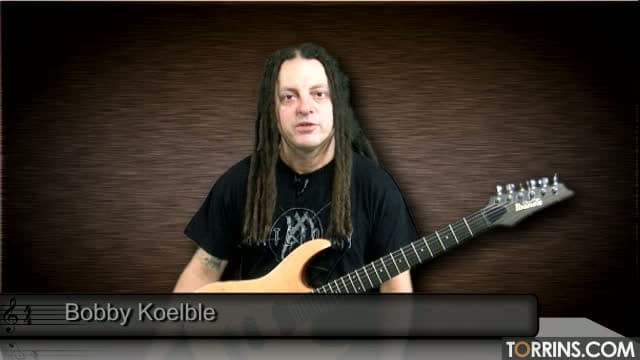
Get ready to master another death metal classic on Torrins—Symbolic by the band Death. This lesson is taught by Bobby Koelble himself, one of the guitarists on the original track. Bobby breaks down the song into several parts, covering essential chords, rhythms, and guitar tones, ensuring a detailed and engaging learning experience.
Fun Fact
Bobby Koelble joined Death after being recommended to Chuck Schuldiner, the band's co-founder, by a friend working at a local music store. Koelble and Schuldiner had known each other since high school in Orlando. After joining the band, Koelble toured with Death across the United States, Canada, Europe, and Japan before the band eventually disbanded.
Chords and Techniques Used in Symbolic
- Tuning: Standard tuning down a whole step
- Key: E minor
- Some of the chords used in this song are G#, F#, Bm, and A7. Tune in to the lesson to know the rest of the chords used in this song.
Song Structure
- Main Riff: The main riff repeats seven times and features vibrato, alternative picking, and palm muting. It includes a few power chords, one being G#.
- Chorus: The chorus riff follows the same pattern as the main riff but repeats 14 times. Tune in to the lesson for a detailed breakdown of the rest of the chorus.
- Solo Section: The solo section features four power chords. In this section, there’s a transition riff as well, which consists of four single notes and a power chord.
- Solo section played by Bobby in the original song: It is played in the key of F# and features chords like B minor, F# power chord, and A7—all diatonic to F#. He breaks down the solo into three sections: beginning, middle, and end and shares valuable tips on mastering the solo, including his creative process behind crafting the iconic riff.
Bobby plays all elements slowly, first to make it easier to follow, then repeats them at normal speed. He also explains the guitar tone in detail.
Why Learn Symbolic?
This lesson provides a detailed breakdown of one of death metal’s most iconic tracks. Bobby Koelble’s insight into the composition and technique will help you refine your alternative picking, palm muting, and power chord transitions. It's a challenging yet rewarding song to master for any metal guitarist. If you’re an advanced player or an intermediate player looking for songs to improve your techniques, this song has to be in your repertoire.
Tips to Improve Your Playing
- Start by playing the riffs at a slower pace, then gradually increase your speed.
- Pay close attention to the vibrato and palm muting techniques to capture the song’s unique tone.
- Focus on smooth chord transitions during the solo to maintain the song’s flow.
FAQs – Symbolic Guitar Lesson
Q1. Is this song suitable for beginners?
Ans: This lesson is recommended for intermediate to advanced players due to its fast-paced riffs and complex solos.
Q2. What tuning is used for this song?
Ans: The song is played in standard tuning down a whole step.