Smells Like Teen Spirit
Introduction
Chords and Rhythm
Song Arrangement
Solo Lesson
Sing and Play
Song Demo
No Description Available
Smells Like Teen Spirit
Introduction
Chords and Rhythm
Song Arrangement
Solo Lesson
Sing and Play
Song Demo
Explore More in English Songs




Introduction
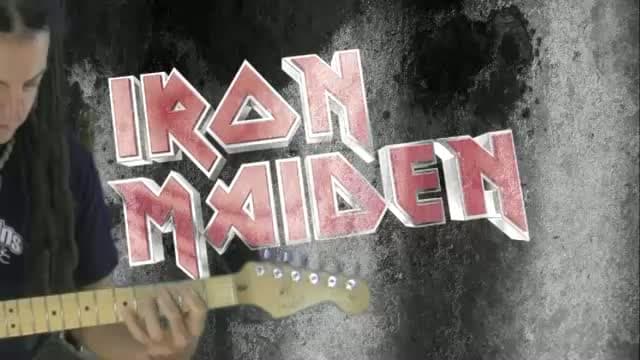
Tune into a guitar lesson on the classic heavy metal song "The Trooper" brought to you by Torrins, led by our expert instructor, Bobby Koeble. This song by the English heavy metal band Iron Maiden was released in 1983, and a live version of the song was issued in 2005.
Fun Fact: "The Trooper" by Iron Maiden was inspired by the famous Charge of the Light Brigade during the Crimean War in 1854. The song’s lyrics are based on Alfred, Lord Tennyson’s poem of the same name, which describes the bravery and tragic loss of British cavalry who were misled into a deadly Russian artillery ambush. The intense galloping rhythm of the song reflects the chaos and urgency of the battlefield charge.
Bobby breaks down this classic song lesson into the following parts to ensure a smooth learning experience for learners:
Introduction
Intro Riff
Main Riff & Verse
Chorus & Song Arrangement
Solo 1- Part 1 & 2
Rhythm for Solos
Solo 2
Solo 2 using Whammy Bars
Discussion & Conclusion
Trooper with Backing Track
Chords Used in The Trooper Guitar Lesson
- Most of the song is in the key of E or E minor with a 4/4 time signature. Bobby plays the song in standard tuning.
- The chorus uses a D chord followed by a low E power chord.
- The solos are in the key of A minor and use chords like G, and F, along with others.
- There are harmony parts in the intro and main riffs, with techniques like pull-offs and whammy bar used in the solos.
Strumming Pattern
- The song follows a fast-paced, galloping rhythm—a signature Iron Maiden style.
- Bobby breaks down the strumming pattern and offers options for handling the harmony in the intro.
- Beginners can start with a simple downstroke rhythm, while more advanced players can work on refining the galloping feel.
Song Structure
The song unfolds with a clear and consistent progression that keeps listeners engaged from start to finish. It kicks off with a high-energy intro riff, a fast-paced harmony section that repeats four times to set the tone. This leads into the main riff and verse, where the finger placements and note sequences are broken down for easy understanding.
From there, the momentum builds into the chorus, which delivers a bold shift in rhythm and mood. After returning briefly to the main harmony riff, the song moves into the second verse, introducing a slight rhythmic variation with a galloping feel that adds fresh texture.
The next pass through the chorus sets the stage for not just one, but two solo sections, each packed with expressive phrasing and technique. After the solos, the main harmony riff reappears, anchoring the listener before launching into the third and final verse. Finally, the track winds down with an outro that circles back to the familiar intensity of the intro, bringing the piece full circle with a satisfying sense of closure.
Improvisation Techniques
- The solos are played in A minor.
- Solo 2 includes whammy bar technique for added depth and expression.
Bobby ends the lesson by playing along with a backing track—a great way to practice and refine your playing.
FAQs – The Trooper Guitar Lesson
Q1. Is this song suitable for beginners?
It’s more suited for intermediate players due to the fast-paced rhythm and advanced solo work.
Q2. What’s the key challenge in this song?
The galloping rhythm and smooth chord transitions require precision and practice.
Q3. Do I need a special tuning?
No, the song is played in standard tuning.






Similar Rock Songs

Introduction
Want to learn some popular tunes from the mid-'90s? Torrins has got you covered! Tune into our guitar song lesson on James Taylor’s version of the 1959 hit Handy Man. This song tutorial is led by our expert teacher, Steve Luciano, who has decades of experience teaching and playing guitar. He breaks down the Handy Man lesson into chords, rhythm, and strumming patterns to make learning this song a smooth process for you.
Fun fact: Did you know this song has been a hit twice? Handy Man was originally recorded by Jimmy Jones in 1959 and became a huge success, reaching #2 on the Billboard Hot 100. Nearly two decades later, James Taylor recorded his own mellow, acoustic version in 1977, which also became a hit, peaking at #4 on the Billboard Hot 100 and earning Taylor a Grammy Award for Best Male Pop Vocal Performance. How cool is that?
This version of Handy Man is a great example of James Taylor’s signature acoustic fingerpicking style, incorporating unique harmonies and intricate transitions. If you’re looking for a simpler version, we’ve got that too—check it out on the Torrins website!
Chords Used in Handy Man Guitar Lesson
This song is played in the key of D and features some interesting chord transitions. Here are some of the key chords used:
- Main chords: D, A, and some others.
- When reharmonizing the second verse: Em, F#m7
- Slash chords to add depth and movement: A/C#, G/B, and a few others.
Tune into the complete Handy Man song lesson to know the rest of the chords.
Steve breaks down unique chord transitions specific to this song to help you capture its distinct, smooth sound.
Fingerpicking & Strumming Techniques
Unlike traditional fingerpicking, Handy Man features more of a plucking style—playing bass notes while plucking the strings together for a fuller sound.
- The song starts with pickup notes and incorporates hammer-ons to add subtle dynamics.
- If you’re not comfortable with fingerpicking, you can strum the entire song instead. It still sounds great!
Song Structure & Rhythm
This song follows a classic verse-chorus format.
- Keep an eye on chord transitions, especially when moving between slash chords, as they add a unique colour to the song.
- The multi-angle camera views (focused on fretting, strumming, and a complete overview) help you get a clear, close-up look at all movements –making learning much faster and more effective.
- Make use of tabs and lyrics for a smoother and more structured learning experience.
Why Learn the song Handy Man on guitar?
James Taylor’s Handy Man is a fantastic piece for learning fingerpicking while maintaining a steady rhythm. Plus, it’s an excellent exercise for improving chord transitions and adding finesse to your playing.
FAQs – Handy Man Guitar Lesson
Q1. Do I have to use fingerpicking?
You can strum the entire song if you prefer. However, fingerpicking brings out its full depth.
Q2. How can I make my transitions smoother?
Steve shares specific techniques for transitioning between chords effortlessly. Practising slowly and focusing on finger positioning will help.

Introduction
Learn to play Island In The Sun by an American rock band called Weezers with this beginner-friendly guitar tutorial, taught by our expert tutor, Steve Luciano. Master chords, rhythms, and backing tracks with ease.
Steve breaks this song down using just four simple chords—yes, only four—played in a repetitive pattern. Two of them? E minor and A minor. Want to learn the rest and master the rhythm that brings this song to life? Tune in to the full tutorial!
Chords Used in Island In The Sun Guitar Lesson
Verse & Chorus Chords: The verse and chorus use open string chords
The original version of the song is played using movable chords, however, Steve teaches this guitar song tutorial using open chords to ensure ease of playing for beginners.
Steve breaks down this song to play it using 4 easy chords used repetitively. However, the rhythm is slightly complex.
Strumming Pattern: This song follows a common 4/4 time signature with a two-measure pattern. Steve uses an anticipating rhythm to add syncopation on the upbeat, giving the song a more dynamic feel
For the intro part, the rhythm is slightly tricky– DDUDDUUDUDD.
However, as the vocal comes in, the rhythm becomes simpler and repeats in this pattern– DDUDDDDUDD
Since the rhythm of this is slightly more complex, Steve teaches this song using simple open string chords, instead of movable chords like the original version, so that it’s easier on the left hand. This gives an overall great groove to the song.
Why Learn Island in the Sun on the Guitar?
- This guitar lesson focuses on rhythm mastery, particularly syncopation and anticipating beats.
- Great for improving timing, strumming control, and chord switching.
- Provides a relaxed, island-like groove, making it fun to play.
Tips for Mastering the Rhythm
Start slow: Play the intro rhythm at a slower tempo and then gradually increase the speed.
- Use a metronome: It helps develop consistency, especially with anticipation and syncopation.
- Strum lightly: Overstrumming can kill the groove—aim for a relaxed wrist motion.
FAQs – Island In The Sun Guitar Lesson
Q1: Is this song beginner-friendly?
- Yes! Although the rhythm is slightly tricky, Steve simplifies it by using open chords instead of movable ones.
Q2: How can I improve my rhythm for this song?
- Focus on anticipation, follow Steve’s guidance, and practice with a metronome.

Introduction:
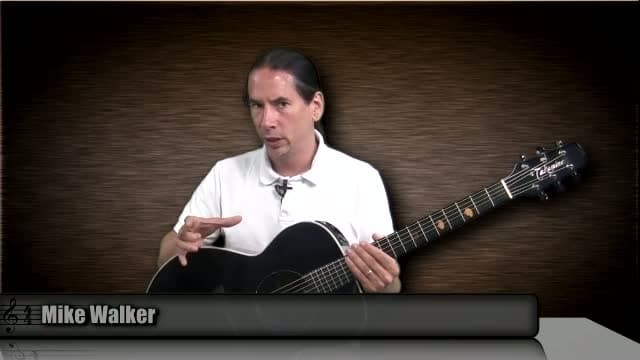
Torrins brings you a detailed lesson on Hotel California by The Eagles, taught by Mike Walker. This song is a rock guitar masterpiece, featuring multiple guitar parts, intricate solos, and the signature 12-string acoustic intro that every guitarist wants to master.
To ensure a smooth learning experience, this lesson includes tabs and lyrics and breaks down each guitar part step by step.
Fun Fact: In 1998, during their induction into the Rock and Roll Hall of Fame, all seven Eagles members performed Hotel California together for the only time ever.
Chords, Rhythm, & Song Arrangement
This lesson covers multiple guitar parts, from acoustic rhythm to electric lead work.
- Guitar 1: The 12-string acoustic intro played by Steve Luciano.
- Guitar 2: Played on an acoustic guitar, covering the main chord progression with precise picking patterns. This part starts with an open D chord and moves through a D major triad.
- Chords Used: D, Em, F#m, Bm, and more. Mike breaks down which strings to leave open and which to mute for the perfect sound.
- Guitar 3 (Reggae Section): A muted electric guitar rhythm that appears in the verse section. Played in the key of B minor, with movable F# and E9 chords. It also has some inverted chords. The strumming pattern follows a downstroke with an open fretboard, followed by a down-up motion. Tune into the learn it seamlessly by the pro!
- Guitar 4 (Muted Clean Part): A subtle section that introduces muting techniques and power chords, adding to the song's dynamic feel.
- Guitar 5 & Guitar 6: These sections introduce lower and higher harmonies, reinforcing the layered guitar arrangement.
Mike walks through each of these sections in detail, ensuring you can replicate the exact feel of the original recording.
Lead Guitar-Licks & Solos
- Overdub Licks: The first chorus features a double-stop lick with hammer-ons and pinch harmonics.
- Three Guitar Solos: The solos blend B minor pentatonic, B minor, and B harmonic minor scales. Some licks focus on bends, slides, and expressive phrasing.
- Outro Solo: Features two interwoven guitar parts, with the first part built around arpeggios like the B minor arpeggio.
Mike takes you through each solo note by note, showing how to nail the tone and phrasing of this legendary song.
Beginner-Friendly Chord Progression
If you're not ready to tackle all the guitar layers, Mike provides a simplified chord progression that lets beginners play along with the song.
- Chords Used: A, E, F#m, Em, and others.
- Alternative Strumming Pattern: A beginner-friendly rhythm variation to match the song’s feel.
Why Learn Hotel California?
- Essential for Rock Guitarists – It is one of the most recognizable intros and solos in rock history.
- Teaches Advanced Techniques – This song includes various techniques like fingerpicking, muting, harmony lines, and expressive soloing.
- Perfect for Rhythm & Lead Players – The song covers both acoustic strumming and intricate lead work.
FAQs – Hotel California Guitar Lesson
Q1: Is this lesson beginner-friendly?
While the original song is challenging, the lesson includes simpler chord progressions and rhythm parts for beginners.
Q2: What techniques will I learn?
Muted strumming, harmony playing, arpeggios, lead phrasing, and solo improvisation techniques.