Intro, Chords, and Basic Rhythm

Introduction
Torrins brings you another heartfelt country classic-Always on My Mind by Willie Nelson, taught by Mike Dugan. This in-depth lesson covers everything from basic chords to advanced rhythm techniques, making it accessible for both beginners and advanced players.
Fun Fact: Always on My Mind was the Billboard number one country album of the year in 1982. It remained on the Billboard Top Country Albums chart for an astonishing 253 weeks, holding the number one spot for 22 weeks. It even spent 99 weeks on the Billboard 200, peaking at number two for three weeks!
Chords Used in Always on My Mind
Beginner Chords:
- D, A, Bm, etc (alternative chords provided for those struggling with barre chords)
- Bm/G# and other slash chords (simplified option available)
- Basic downstrumming technique
Advanced Chords:
- Walk-down from Bm barre chord to G, creating a smooth transition
- Em, A, D, and motion chord movement from Em to F#, along with other chord voicings
- Includes A/C# to add depth to the song
Rhythm & Strumming Pattern
Beginner Rhythm:
- Simple downstrumming throughout the song for easy playability
Advanced Rhythm:
- More dynamic strumming pattern: DUDDUD with variations in the upstrokes
- Incorporates subdivisions and expressive chord transitions to match the song’s emotional tone
Song Structure
This song follows a classic country ballad structure:
- Intro
- Verse 1 & 2
- Bridge – Separate versions for beginners and advanced players
- Solo Verse – Melody-driven section
- Bridge Repeat
Solo Section
- Uses the D major scale for advanced players
- Simple yet effective solo incorporating D and Bm/A chords, to name a few
- Captures the melody of the song to create an emotional instrumental moment
Improvisation Techniques
For those wanting to add their own flavour, Mike shares techniques to elevate their playing:
- Walk-down motions to create smoother transitions
- Letting open strings ring for a fuller sound
- Subtle rhythmic variations to match Willie Nelson’s expressive phrasing
Why Learn Always on My Mind?
This lesson is a great way to enhance your expressiveness as a guitarist. Whether you’re learning the basic chords or mastering the advanced transitions, Mike ensures that every player walks away with valuable skills.
FAQs – Always on My Mind Guitar Lesson
Q1. Is this song beginner-friendly?
Ans: It’s better suited for intermediate and advanced players, but Mike breaks it down for beginners as well.
Q2. What if I struggle with barre chords?
Ans: Alternative chord shapes are provided for Bm and Bm/G# to make it easier.
Q3. How can I improve my strumming on this song?
Ans: Beginners should start with downstrumming, while advanced players can incorporate upstroke variations and subdivisions for a more dynamic feel.
Q4. Does this lesson include a solo?
Ans: Yes! The solo is based on the D major scale and includes a simple yet effective melody.
Always on my Mind
Intro, Chords, and Basic Rhythm
Advanced Chords and Rhythm
Bridge - Beginners and Advanced
Arrangement and Song Demo
Introduction
Torrins brings you another heartfelt country classic-Always on My Mind by Willie Nelson, taught by Mike Dugan. This in-depth lesson covers everything from basic chords to advanced rhythm techniques, making it accessible for both beginners and advanced players.
Fun Fact: Always on My Mind was the Billboard number one country album of the year in 1982. It remained on the Billboard Top Country Albums chart for an astonishing 253 weeks, holding the number one spot for 22 weeks. It even spent 99 weeks on the Billboard 200, peaking at number two for three weeks!
Chords Used in Always on My Mind
Beginner Chords:
- D, A, Bm, etc (alternative chords provided for those struggling with barre chords)
- Bm/G# and other slash chords (simplified option available)
- Basic downstrumming technique
Advanced Chords:
- Walk-down from Bm barre chord to G, creating a smooth transition
- Em, A, D, and motion chord movement from Em to F#, along with other chord voicings
- Includes A/C# to add depth to the song
Rhythm & Strumming Pattern
Beginner Rhythm:
- Simple downstrumming throughout the song for easy playability
Advanced Rhythm:
- More dynamic strumming pattern: DUDDUD with variations in the upstrokes
- Incorporates subdivisions and expressive chord transitions to match the song’s emotional tone
Song Structure
This song follows a classic country ballad structure:
- Intro
- Verse 1 & 2
- Bridge – Separate versions for beginners and advanced players
- Solo Verse – Melody-driven section
- Bridge Repeat
Solo Section
- Uses the D major scale for advanced players
- Simple yet effective solo incorporating D and Bm/A chords, to name a few
- Captures the melody of the song to create an emotional instrumental moment
Improvisation Techniques
For those wanting to add their own flavour, Mike shares techniques to elevate their playing:
- Walk-down motions to create smoother transitions
- Letting open strings ring for a fuller sound
- Subtle rhythmic variations to match Willie Nelson’s expressive phrasing
Why Learn Always on My Mind?
This lesson is a great way to enhance your expressiveness as a guitarist. Whether you’re learning the basic chords or mastering the advanced transitions, Mike ensures that every player walks away with valuable skills.
FAQs – Always on My Mind Guitar Lesson
Q1. Is this song beginner-friendly?
Ans: It’s better suited for intermediate and advanced players, but Mike breaks it down for beginners as well.
Q2. What if I struggle with barre chords?
Ans: Alternative chord shapes are provided for Bm and Bm/G# to make it easier.
Q3. How can I improve my strumming on this song?
Ans: Beginners should start with downstrumming, while advanced players can incorporate upstroke variations and subdivisions for a more dynamic feel.
Q4. Does this lesson include a solo?
Ans: Yes! The solo is based on the D major scale and includes a simple yet effective melody.
Always on my Mind
Intro, Chords, and Basic Rhythm
Advanced Chords and Rhythm
Bridge - Beginners and Advanced
Arrangement and Song Demo
Explore More in English Songs









Introduction
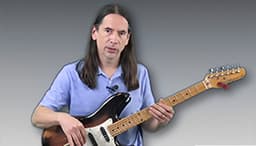
Want to learn some popular tunes from the mid-'90s? Torrins has got you covered! Tune into our guitar song lesson on James Taylor’s version of the 1959 hit Handy Man. This song tutorial is led by our expert teacher, Steve Luciano, who has decades of experience teaching and playing guitar. He breaks down the Handy Man lesson into chords, rhythm, and strumming patterns to make learning this song a smooth process for you.
Fun fact: Did you know this song has been a hit twice? Handy Man was originally recorded by Jimmy Jones in 1959 and became a huge success, reaching #2 on the Billboard Hot 100. Nearly two decades later, James Taylor recorded his own mellow, acoustic version in 1977, which also became a hit, peaking at #4 on the Billboard Hot 100 and earning Taylor a Grammy Award for Best Male Pop Vocal Performance. How cool is that?
This version of Handy Man is a great example of James Taylor’s signature acoustic fingerpicking style, incorporating unique harmonies and intricate transitions. If you’re looking for a simpler version, we’ve got that too—check it out on the Torrins website!
Chords Used in Handy Man Guitar Lesson
This song is played in the key of D and features some interesting chord transitions. Here are some of the key chords used:
- Main chords: D, A, and some others.
- When reharmonizing the second verse: Em, F#m7
- Slash chords to add depth and movement: A/C#, G/B, and a few others.
Tune into the complete Handy Man song lesson to know the rest of the chords.
Steve breaks down unique chord transitions specific to this song to help you capture its distinct, smooth sound.
Fingerpicking & Strumming Techniques
Unlike traditional fingerpicking, Handy Man features more of a plucking style—playing bass notes while plucking the strings together for a fuller sound.
- The song starts with pickup notes and incorporates hammer-ons to add subtle dynamics.
- If you’re not comfortable with fingerpicking, you can strum the entire song instead. It still sounds great!
Song Structure & Rhythm
This song follows a classic verse-chorus format.
- Keep an eye on chord transitions, especially when moving between slash chords, as they add a unique colour to the song.
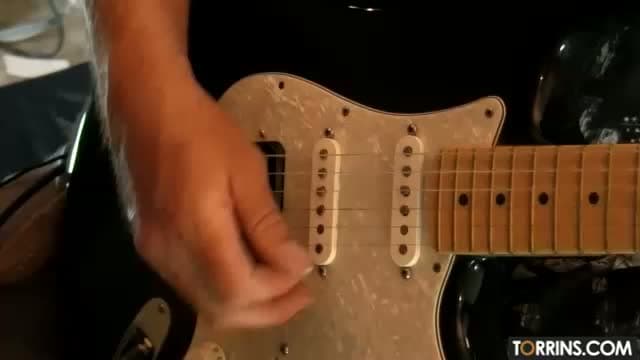
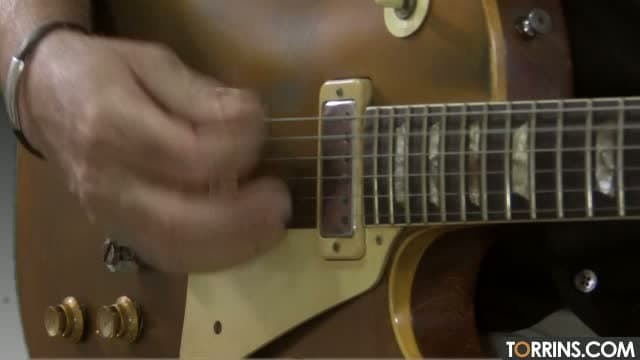
- The multi-angle camera views (focused on fretting, strumming, and a complete overview) help you get a clear, close-up look at all movements –making learning much faster and more effective.
- Make use of tabs and lyrics for a smoother and more structured learning experience.
Why Learn the song Handy Man on guitar?
James Taylor’s Handy Man is a fantastic piece for learning fingerpicking while maintaining a steady rhythm. Plus, it’s an excellent exercise for improving chord transitions and adding finesse to your playing.
FAQs – Handy Man Guitar Lesson
Q1. Do I have to use fingerpicking?
You can strum the entire song if you prefer. However, fingerpicking brings out its full depth.
Q2. How can I make my transitions smoother?
Steve shares specific techniques for transitioning between chords effortlessly. Practising slowly and focusing on finger positioning will help.

Similar Country Songs

Introduction:
Torrins brings you a classic country guitar lesson—Your Cheatin’ Heart, written and recorded by Hank Williams in 1952. Taught by Mike Dugan, this sing and play lesson breaks down the song into easy-to-follow sections, making it perfect for beginners and experienced players alike. He breaks down the chords, rhythm, and song arrangement of the song.
Fun Fact: Did you know Williams wrote this song while driving from Nashville to Shreveport with his fiancée? After calling his first wife a "cheatin’ heart," the lyrics poured and the entire song was ready within minutes.
Chords & Song Structure
This song follows a standard verse-chorus structure with a bridge in between.
- Key: The song is in the key of C major
- Verse Chords: The verse has three basic open chords. Tune into the lesson to learn them.
- Bridge Chords: Bridge includes chords like F, D7, and others.
Mike carefully breaks down finger positioning, chord transitions, and how the chords are divided across measures. He also provides alternative fingerings to make it easier for beginners.
Do you wish to learn the intricacies of Country Guitar Playing? Check out our detailed lessons to master this style!
Strumming Patterns
This song has a simple and steady strumming style, ideal for both beginners and advanced players.
- Beginner-Friendly Strumming:
- A basic downstrum-only pattern in straight 4s to help new players get comfortable.
- Advanced Strumming Pattern:
- A more dynamic down-up pattern (DDUDDDDUDD) that adds depth and groove. Mike explains the transitions and accents in detail to help you get the authentic country feel.
Sing & Play
If you want to sing while playing, Mike provides a step-by-step breakdown of how the vocals align with the chord changes. He explains:
- How to keep your strumming steady while singing
- Where to place emphasis in both lyrics and chords
- How to build confidence in singing and playing simultaneously
He suggests beginners to start with the basic strumming pattern, and once comfortable, then they can switch to the more advanced rhythm for a fuller sound.
Moreover, you can take advantage of the accompanied lyrics in the song lesson for a comprehensive learning experience.
Why Learn Your Cheatin’ Heart?
- Classic country song that strengthens rhythm guitar skills
- Great for beginners, thanks to simple chords and a steady beat
- Teaches strumming variations, helping you develop better control
- Perfect for sing-alongs, making it a fun addition to your repertoire
FAQs Your Cheatin’ Heart Guitar Lesson
Q1: Is this song beginner-friendly?
Yes! The song uses simple open chords and a steady strumming pattern, making it perfect for beginners.
Q2: What if I struggle with singing and playing at the same time?
Start with basic downstrums to get comfortable. Once you have the rhythm down, gradually add vocals.
Q3: Do I need a capo for this song?
No capo is needed. The song is played in the key of C with open chords.

Introduction:
Torrins brings you another heartfelt guitar song lesson I Will Be Here by Steven Curtis Chapman, taught by J.J. Pattishall. This lesson focuses on fingerpicking, chord transitions, and rhythm techniques, making it a great song to develop both your picking accuracy and emotional expression.
Interesting Fact: This song carries deep personal meaning. Chapman wrote it as a promise to his wife during a difficult time when his parents were going through a divorce. It became one of his most beloved songs, offering reassurance and commitment through its lyrics and melody.
Chords & Song Structure
This lesson breaks the song into easy-to-follow sections: Intro & Verse, Chorus, Bridge, Song Demo, Rhythm, and Sing & Play.
Capo is on the 1st fret
Key used is D (relative to capo), actual tuning is Eb
Chords Used:
- Intro & Verse: Dsus2, A7sus4, Bm (a barre chord), Em7, and others
- Chorus: Bm/A, A/G, D/F#, and more
- Bridge: Includes a diminished chord and a piano/instrumental section
J.J. shares some alternatives for the difficult chords such as barre chords.
The chords are arpeggiated, giving the song its signature flow. J.J. carefully explains finger placement and picking techniques to help you achieve the song’s delicate feel.
Fingerpicking & Rhythm Patterns
This song features a beautiful fingerpicking pattern. J.J. breaks it down in detail, ensuring that even beginners can grasp the technique.
For those who find fingerpicking challenging, he also introduces two basic rhythm patterns as an alternative:
- DDUDDUDDUD – A straightforward strumming pattern
- DDUUDDDUUD – Adds syncopation for a more dynamic feel
Verse, Chorus & Bridge Breakdown
- Intro & Verse: J.J. carefully walks through the arpeggiated chords and explains how to maintain a steady rhythm. He also shares a technique to create a flowing fingerpicking style.
- Chorus: The transitions between chords like Bm/A, F#, A/G, and D/F# are broken down step by step. He highlights turnarounds, ensuring smooth movement between sections.
- Bridge: Features a diminished chord, adding tension and resolution to the song. J.J. also explains the piano and instrumental section.
Sing & Play – Coordinating Vocals & Guitar
This lesson doesn’t just teach you how to play the guitar part—it also helps you combine playing with singing. J.J. explains:
- How to sync your strumming or fingerpicking with the lyrics
- Phrasing techniques to match the melody with chord changes
- How to make the song your own while staying true to its essence
Final Song Demo & Play-Along
To bring everything together, J.J. performs the song with a backing track, reinforcing all the techniques covered in the lesson. This play-along section lets you practice along and refine your timing and transitions.
Why Learn I Will Be Here?
- Develops fingerpicking skills – great for improving coordination and technique
- Enhances chord transitions – teaches smooth movement between complex shapes
FAQs – I Will Be Here Guitar Lesson
Q1: Is this lesson beginner-friendly?
Yes! While the fingerpicking and chord shapes may seem tricky at first, J.J. provides simplified alternatives and a step-by-step breakdown.
Q2: Can I strum instead of fingerpick?
Absolutely. J.J. introduces two strumming patterns for those who prefer a rhythmic approach.
Q3: Do I need a capo?
Yes, place the capo on the 1st fret to match the song’s key.

Songs with Similar Difficulty







Introduction:
Torrins brings you an exciting guitar lesson "Wonderwall" by Oasis, taught by Mike McQuinn. This timeless classic is a must-learn for any guitarist, helping you master chord variations, strumming patterns, and how to play and sing simultaneously. Mike breaks down this song lesson into multiple lessons for easy learning - Introduction, Chords and Strumming, Sing and Play and Song Demo.
Fun Fact: In October 2020, "Wonderwall" became the first song from the 1990s to surpass one billion streams on Spotify. Today, it ranks as the second most-streamed song from that decade, following Nirvana's "Smells Like Teen Spirit”.
Chords Used in Wonderwall Guitar Lesson: The song is built around five essential chord patterns, which you’ll learn in detail in the song lesson. Some of the chords that make up this song are: G, Em7, Dsus4, A7Sus4, Cadd9. Tune in to the lesson to learn the rest.
One chord pattern includes a walk-down pattern for smooth transitions.
All chords are played with a capo on the 2nd fret
Strumming Pattern The primary strumming pattern is:
- DDUDUDDUDUDD (Repeats UDUDD three times and ends with UD)
- An alternate strumming pattern is used in the walk-down chord section—learn the difference in the lesson!
Song Structure & Breakdown This lesson is divided into multiple sections for easy learning:
- Introduction: This section has an overview of the lesson structure and key techniques.
- Chords & Strumming: This section includes all the chords used in this song, and Mike shares the five essential chord patterns that make up this song. He demonstrates how to transition smoothly. The song finishes with a repetitive lead part—Mike explains how to master it effortlessly. He shares tips to master the rhythm of the song.
- Sing & Play: Mike teaches how to coordinate vocals with guitar playing, gearing you up for jamming sessions!
- Song Demo: The song lesson ends with a full demonstration of the song to tie everything together.
Tip: Follow along with the Tabs provided with the song lesson for quick and effective learning.
Why Learn Wonderwall?
- Learning this song will help you improve chord transition and variation skills.
- It will also help you master rhythm consistency with its distinct strumming pattern.
- It will enhance your ability to play and sing simultaneously.
FAQs – Wonderwall Guitar Lesson
Q1. Is this song beginner-friendly?
Ans- Yes! The chords are slight variations to basic chords and are used repetitively, making it a great song for all skill levels.
Q2. Do I need a capo?
Ans- Yes, the song is played with a capo on the 2nd fret to match the original key.
Q3. How do I improve my strumming for this song?
Ans- Focus on maintaining a relaxed wrist and practice the primary strumming pattern slowly before speeding up.