Introduction
Man Who Sold The World
Introduction
Intro, Verse, & Chorus
Solo
Overdubs
Man Who Sold The World
Introduction
Intro, Verse, & Chorus
Solo
Overdubs
Explore More in English Songs



Introduction:
Torrins brings you a detailed lesson on Hotel California by The Eagles, taught by Mike Walker. This song is a rock guitar masterpiece, featuring multiple guitar parts, intricate solos, and the signature 12-string acoustic intro that every guitarist wants to master.
To ensure a smooth learning experience, this lesson includes tabs and lyrics and breaks down each guitar part step by step.
Fun Fact: In 1998, during their induction into the Rock and Roll Hall of Fame, all seven Eagles members performed Hotel California together for the only time ever.
Chords, Rhythm, & Song Arrangement
This lesson covers multiple guitar parts, from acoustic rhythm to electric lead work.
- Guitar 1: The 12-string acoustic intro played by Steve Luciano.
- Guitar 2: Played on an acoustic guitar, covering the main chord progression with precise picking patterns. This part starts with an open D chord and moves through a D major triad.
- Chords Used: D, Em, F#m, Bm, and more. Mike breaks down which strings to leave open and which to mute for the perfect sound.
- Guitar 3 (Reggae Section): A muted electric guitar rhythm that appears in the verse section. Played in the key of B minor, with movable F# and E9 chords. It also has some inverted chords. The strumming pattern follows a downstroke with an open fretboard, followed by a down-up motion. Tune into the learn it seamlessly by the pro!
- Guitar 4 (Muted Clean Part): A subtle section that introduces muting techniques and power chords, adding to the song's dynamic feel.
- Guitar 5 & Guitar 6: These sections introduce lower and higher harmonies, reinforcing the layered guitar arrangement.
Mike walks through each of these sections in detail, ensuring you can replicate the exact feel of the original recording.
Lead Guitar-Licks & Solos
- Overdub Licks: The first chorus features a double-stop lick with hammer-ons and pinch harmonics.
- Three Guitar Solos: The solos blend B minor pentatonic, B minor, and B harmonic minor scales. Some licks focus on bends, slides, and expressive phrasing.
- Outro Solo: Features two interwoven guitar parts, with the first part built around arpeggios like the B minor arpeggio.
Mike takes you through each solo note by note, showing how to nail the tone and phrasing of this legendary song.
Beginner-Friendly Chord Progression
If you're not ready to tackle all the guitar layers, Mike provides a simplified chord progression that lets beginners play along with the song.
- Chords Used: A, E, F#m, Em, and others.
- Alternative Strumming Pattern: A beginner-friendly rhythm variation to match the song’s feel.
Why Learn Hotel California?
- Essential for Rock Guitarists – It is one of the most recognizable intros and solos in rock history.
- Teaches Advanced Techniques – This song includes various techniques like fingerpicking, muting, harmony lines, and expressive soloing.
- Perfect for Rhythm & Lead Players – The song covers both acoustic strumming and intricate lead work.
FAQs – Hotel California Guitar Lesson
Q1: Is this lesson beginner-friendly?
While the original song is challenging, the lesson includes simpler chord progressions and rhythm parts for beginners.
Q2: What techniques will I learn?
Muted strumming, harmony playing, arpeggios, lead phrasing, and solo improvisation techniques.





Introduction
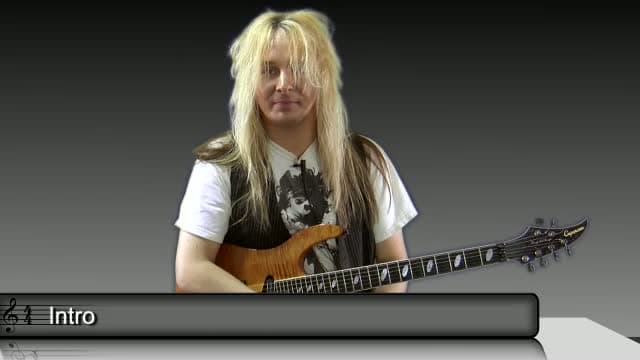
Torrins brings you an exciting guitar lesson on Insomnia by Rob Marcello, taught by the artist himself. This means you are learning the song's intricacies directly from the creator, giving you a unique insight into the techniques and creative choices behind this guitar masterpiece.
Fun Fact: Rob Marcello was quite young when he composed this song and admitted that he wasn’t fully familiar with advanced music theory at the time. While Insomnia may not have achieved mainstream chart success, it remains a respected piece within the guitar community.
Chords Used in Insomnia Guitar Lesson
- Intro: Intro is played in the key of G harmonic minor and uses a C minor arpeggio and triad. It also includes an F# chord along with other chords.
- Verse: Chords used: Gm, F/G. It’s a simple verse structure with basic licks. Practising this verse is a good exercise for picking accuracy.
- Chorus: In chorus, the key changes to C minor. This section involves arpeggios, sliding, and tapping
- Break Section: The key of G harmonic minor returns. It has a metal-style lick. One of the chords is a D chord.
- Classical Section: Has a key of G major. Ensure you have a clean note separation in this section. Tip: Lift each finger as you play.
- Pre-Solo Section: Some of the chords used are D major and E♭ major. This section involves sliding up the neck and is still in the key of G harmonic minor.
- First Solo: Base stays on G and includes F major arpeggio.
- Main Solo: It uses harmonic picking, a guitar technique where you pick a note while lightly touching the string to create a bright, bell-like overtone. The solo starts with blues licks played through a wah-wah pedal and follows a pentatonic blues box shape.
There are other segments in this song that cover Dominant 7 tapping lick, string skipping & pentatonic licks, and lastly, he ends the lesson by playing along with a backing track.
Why Learn Insomnia?
Insomnia is an excellent song for players looking to improve their left-hand legato, harmonic picking, and tapping techniques. It blends metal, blues, and classical influences, making it a well-rounded piece for guitarists aiming to develop technical precision and creative expression. It is better suited for advanced players.
Tips for Playing Insomnia:
- Pay attention to the rhythmic phrasing in the break section.
- Master the sliding and tapping techniques in the solos for a polished sound.
FAQs – Insomnia Guitar Lesson
Q1. Is this song beginner-friendly?
No, this lesson is suited for advanced players due to the complex techniques involved.
Q2. How can I master the classical section?
Ensure clean note separation by lifting each finger immediately after playing the note.


Introduction
Learn to play Island In The Sun by an American rock band called Weezers with this beginner-friendly guitar tutorial, taught by our expert tutor, Steve Luciano. Master chords, rhythms, and backing tracks with ease.
Steve breaks this song down using just four simple chords—yes, only four—played in a repetitive pattern. Two of them? E minor and A minor. Want to learn the rest and master the rhythm that brings this song to life? Tune in to the full tutorial!
Chords Used in Island In The Sun Guitar Lesson
Verse & Chorus Chords: The verse and chorus use open string chords
The original version of the song is played using movable chords, however, Steve teaches this guitar song tutorial using open chords to ensure ease of playing for beginners.
Steve breaks down this song to play it using 4 easy chords used repetitively. However, the rhythm is slightly complex.
Strumming Pattern: This song follows a common 4/4 time signature with a two-measure pattern. Steve uses an anticipating rhythm to add syncopation on the upbeat, giving the song a more dynamic feel
For the intro part, the rhythm is slightly tricky– DDUDDUUDUDD.
However, as the vocal comes in, the rhythm becomes simpler and repeats in this pattern– DDUDDDDUDD
Since the rhythm of this is slightly more complex, Steve teaches this song using simple open string chords, instead of movable chords like the original version, so that it’s easier on the left hand. This gives an overall great groove to the song.
Why Learn Island in the Sun on the Guitar?
- This guitar lesson focuses on rhythm mastery, particularly syncopation and anticipating beats.
- Great for improving timing, strumming control, and chord switching.
- Provides a relaxed, island-like groove, making it fun to play.
Tips for Mastering the Rhythm
Start slow: Play the intro rhythm at a slower tempo and then gradually increase the speed.
- Use a metronome: It helps develop consistency, especially with anticipation and syncopation.
- Strum lightly: Overstrumming can kill the groove—aim for a relaxed wrist motion.
FAQs – Island In The Sun Guitar Lesson
Q1: Is this song beginner-friendly?
- Yes! Although the rhythm is slightly tricky, Steve simplifies it by using open chords instead of movable ones.
Q2: How can I improve my rhythm for this song?
- Focus on anticipation, follow Steve’s guidance, and practice with a metronome.

Similar Rock Songs


Introduction
It’s time to grab your guitar and start strumming along with this detailed Let It Be guitar lesson on Torrins.com! This beginner-to-intermediate lesson is taught by our experienced tutor, Steve Luciano, who breaks down various components of the song—chords, rhythm, strumming pattern, and arrangement—into easy, digestible segments, helping you progress smoothly from one section to the next.
Interesting Fact: This classic Beatles song has a heartfelt story behind it. Paul McCartney wrote Let It Be after dreaming of his late mother, Mary, during a stressful time for The Beatles in 1968. In the dream, she comforted him, saying, “It will be all right, just let it be.” That message stayed with him and became the heart of the song. While many assume "Mother Mary" refers to the Virgin Mary, McCartney says it's open to interpretation.
The Let It Be guitar lesson is played in the key of C and consists of just four chords, two of which are C and F. Tune into the full lesson to learn the rest!
Chords Used in Let It Be Guitar Lesson
This popular Beatles song is an easy song to play and a great choice for beginners.
Many guitar learners struggle with the F chord, but don’t worry—Steve shares some solid tips on how to transition smoothly and play it comfortably. He also breaks down proper finger positioning to help you master F major with ease.
Strumming Pattern
You can keep it simple by playing this song entirely with downstrokes. However, if you want to add a little more rhythm, you can go with this pattern: DDDUDDDU.
A key thing to remember here is to keep your strumming hand moving at all times, even if you're not hitting the strings with every motion. This technique, often seen in older rock songs, helps create the right rhythmic feel.
Song Structure
The song follows a classic verse-chorus structure, but with subtle shifts that make it more dynamic.
- Intro: You’ll start with two chords per measure, but pay attention to the rhythm as it sets the tone for the whole track.
- Verse: The same two-chords-per-measure pattern continues here, but consistency in your strumming is key. If your rhythm slips even a little, it throws off the groove.
- Chorus & Bridge: These sections reuse the verse’s chord progression, but the transitions feel tighter and more energetic.
Steve walks you through how to manage these shifts without losing momentum, especially the jump between sections, which trips up a lot of learners.
Rhythm & Right-Hand Technique
Even though the chords in this song are simple, the rhythm requires practice. Once the lyrics kick in, the right hand needs to move at 16th note speed (which are four evenly spaced notes for every beat) to create the desired groove. The trick here is that you don’t have to hit the strings every time—just keep your hand moving consistently to stay in time.
Mastering this technique will not only make your playing sound great but will also help build your overall strumming coordination.
Why Learn Let It Be?
- It's an easy song with simple chords, making it great for beginners.
- Helps improve chord transitions, especially switching to and from F major.
- Teaches right-hand rhythm control, a skill that translates to many other songs.
- Works as a great sing-along song, making it fun to play with others!
FAQs – Let It Be Guitar Lesson
Q1. Do I need a capo?
No, Let It Be is played in the key of C and doesn’t require a capo.
Q2. Can I use a different strumming pattern?
Absolutely! You can stick with simple downstrokes or try the DDDUDDDU pattern for more variation. Just remember to keep a steady rhythm.
Interesting Fact: This classic Beatles song has a heartfelt story behind it. Paul McCartney wrote Let It Be after dreaming of his late mother, Mary, during a stressful time for The Beatles in 1968. In the dream, she comforted him, saying, “It will be all right, just let it be.” That message stayed with him and became the heart of the song. While many assume "Mother Mary" refers to the Virgin Mary, McCartney says it's open to interpretation.