Preview

Praise – Introduction
Welcome to the guitar lesson on the Christian rock gospel track by Everlasting Worship called Praise. The song was released in mid-2023 and has since been streamed over 150 million times on YouTube. Praise is a collaborative effort by Brandon Lake, Chris Brown & Chandler Moore in the name of Jesus.
The message in the song is a declaration of devotion to Jesus Christ, lord and Saviour, who is all worthy of praise. There is deep devotional meaning in the lyrics of the song that talks about praising the lord in every situation and stage of life, for he is sovereign and true. The artists say, “Praise is also a weapon… Praise is how you fight for your perspective. Praise is how you take your imagination back from the enemy. Praise is how you inspire your faith and remember God’s faithfulness”.
Praise Guitar Lesson
The lesson here covers all parts of the song section by section, including the introduction, chords and rhythms, and the different techniques required to play this song perfectly. The tutor has demonstrated how to play the song using a capo as well as without a capo in the latter part of the lesson.
Praise chords are derived from the A major scale, which are A, Dadd9, F#m, E, and Bm. But since the open chord shapes sound louder and brighter, they make it tricky to produce the muted tones. Hence, the instructor suggests the use of a capo, which, instead of the nut pressing the strings from the bottom, does it from the top, and the muting effect becomes easy to achieve. Consequently, there arises a need to then transpose the song two frets ahead, which makes the chord shapes easier to play.
The song features augmented chords and minor 7th chords. They give a dreamy and expanding feel to the song. The strumming resembles a shuffle pattern with some muted strums for a percussive effect. This pattern, which is a little complex to master but sounds most fun to play, is carefully shown by the instructor, which the learners will find helpful.
FAQs
Q. What chords are used in ‘Praise’ by Elevation Worship?
The song uses standard chords like G, Cadd9, Em7, and D, using a capo on the 2nd fret. This is a common modern worship progression that is quite easy to play.
Q. Is Praise suitable for acoustic guitar beginners?
Yes, Praise is suitable for beginners. Although it has a higher tempo, that is only because of the strumming pattern, which is easy to play with a capo on. The chords are also easy to play with a capo on.
Q. How can I improve playing Praise live?
The greatest obstacle in live playing is the nerves, the adrenaline that makes your hands shake in front of an audience. A good way to deal with that is to not face the audience directly and stand at an angle, partly facing the audience and partly the band members.
Praise
Preview
Introduction
Chords & Rhythm
Song Arrangement
Song Demo With Capo
Introduction Without Capo
Song Demo Without Capo
Improvization Without Capo
Praise – Introduction
Welcome to the guitar lesson on the Christian rock gospel track by Everlasting Worship called Praise. The song was released in mid-2023 and has since been streamed over 150 million times on YouTube. Praise is a collaborative effort by Brandon Lake, Chris Brown & Chandler Moore in the name of Jesus.
The message in the song is a declaration of devotion to Jesus Christ, lord and Saviour, who is all worthy of praise. There is deep devotional meaning in the lyrics of the song that talks about praising the lord in every situation and stage of life, for he is sovereign and true. The artists say, “Praise is also a weapon… Praise is how you fight for your perspective. Praise is how you take your imagination back from the enemy. Praise is how you inspire your faith and remember God’s faithfulness”.
Praise Guitar Lesson
The lesson here covers all parts of the song section by section, including the introduction, chords and rhythms, and the different techniques required to play this song perfectly. The tutor has demonstrated how to play the song using a capo as well as without a capo in the latter part of the lesson.
Praise chords are derived from the A major scale, which are A, Dadd9, F#m, E, and Bm. But since the open chord shapes sound louder and brighter, they make it tricky to produce the muted tones. Hence, the instructor suggests the use of a capo, which, instead of the nut pressing the strings from the bottom, does it from the top, and the muting effect becomes easy to achieve. Consequently, there arises a need to then transpose the song two frets ahead, which makes the chord shapes easier to play.
The song features augmented chords and minor 7th chords. They give a dreamy and expanding feel to the song. The strumming resembles a shuffle pattern with some muted strums for a percussive effect. This pattern, which is a little complex to master but sounds most fun to play, is carefully shown by the instructor, which the learners will find helpful.
FAQs
Q. What chords are used in ‘Praise’ by Elevation Worship?
The song uses standard chords like G, Cadd9, Em7, and D, using a capo on the 2nd fret. This is a common modern worship progression that is quite easy to play.
Q. Is Praise suitable for acoustic guitar beginners?
Yes, Praise is suitable for beginners. Although it has a higher tempo, that is only because of the strumming pattern, which is easy to play with a capo on. The chords are also easy to play with a capo on.
Q. How can I improve playing Praise live?
The greatest obstacle in live playing is the nerves, the adrenaline that makes your hands shake in front of an audience. A good way to deal with that is to not face the audience directly and stand at an angle, partly facing the audience and partly the band members.
Praise
Preview
Introduction
Chords & Rhythm
Song Arrangement
Song Demo With Capo
Introduction Without Capo
Song Demo Without Capo
Improvization Without Capo
Explore More in English Songs
Introduction:
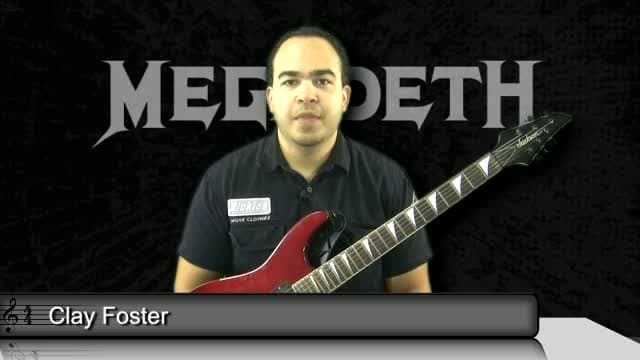
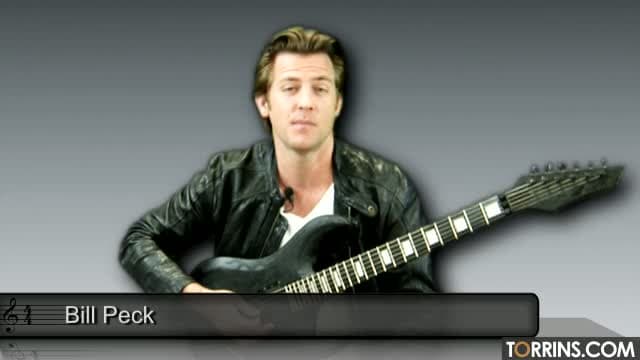
Torrins brings you an electrifying guitar lesson—Symphony of Destruction by Megadeth, taught by Clay Foster. This heavy-hitting metal track is part of our guitar song lesson series and is broken down into easy-to-follow sections.
Fun Fact: In an interview, vocalist Dave Mustaine shared that the lyrics for Symphony of Destruction were sparked by a headache he got while driving home. He scribbled the first lines on the back of a sushi receipt—“My metal brain’s corroding, my head is going to explode.” That spontaneous moment led to one of Megadeth’s most iconic songs, recorded on their fifth studio album Countdown to Extinction in 1992.
Song Arrangement
The song is taught in separate segments so you can master each part before moving to the next.
The song is in the key of E.
Verse
Verse is built around the F power chord and an open E power chord, along with other chords.
Downstrokes and palm muting are used in the verse—make sure to mute the strings to avoid letting notes ring out too long. Clay shares techniques like using your thumb or extra fingers to stop the sound cleanly.
Pre-Chorus
Features open palm muting and chromatic downs, creating that tight, chugging rhythm. Our lessons have a 3-angle video setup so you can clearly see hand positions and copy along easily.
Chorus
This section opens up with ringing E chords and a chromatic descending run. Chords like Bb, G#, and the D power chord makes the chorus sound more intense. Though it’s slightly more complex than the verse, Clay carefully breaks down the finger positioning and covers some fingerpicking techniques to help you through it.
After the first chorus, the main riff returns and leads into the second verse and pre-chorus, just like earlier.
The second chorus is a bit longer. The first half mirrors the first chorus, while the second half introduces new elements. Clay walks you through the difference so you can follow along confidently.
Solo Lesson
Clay breaks down the guitar solo into manageable sections.
- The first part has a bluesy riff with vibrato, bending, and palm muting.
- The second part is a 16-note rhythmic figure built around the Am6 chord, featuring some sliding techniques.
- Tune into the lesson to learn each section in detail and pick up essential phrasing skills along the way.
Sound and Tone
To capture the song’s feel, Clay dives into the tone settings. The tone is mid-rangy, which is a signature sound of Marty Friedman. Clay recommends listening to some of Friedman’s work to understand the sweet, expressive tone he’s known for.
For gear settings, Clay suggests using the middle pickup to replicate that tone more accurately.
Song Demo
The lesson wraps up with a full song demo, where Clay ties everything together. You can play along with him to practice transitions, polish your technique, and check your accuracy in real time.
FAQs – Symphony of Destruction Guitar Lesson
Q1: Is this song beginner-friendly?
Yes. While it has a few technical sections, the lesson breaks everything down clearly and provides enough guidance for newer players.
Q2: Do I need specific gear for the tone?
Clay suggests using a mid-range-focused setting with the middle pickup to get closer to Marty Friedman's tone. However, you can start with what you have and tweak as needed.
Q3: Is the solo hard to learn?
It’s approachable when broken into parts. Clay walks you through each phrase, so with some practice, you’ll be able to nail it.



Introduction:
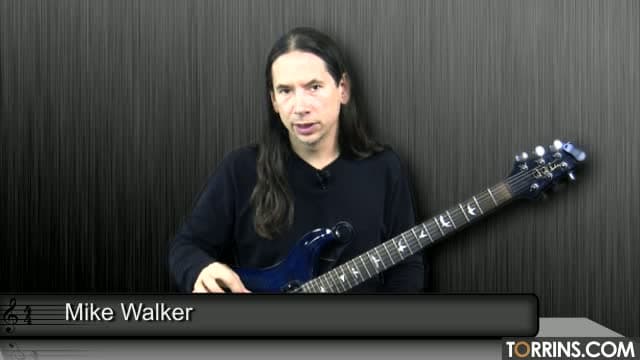
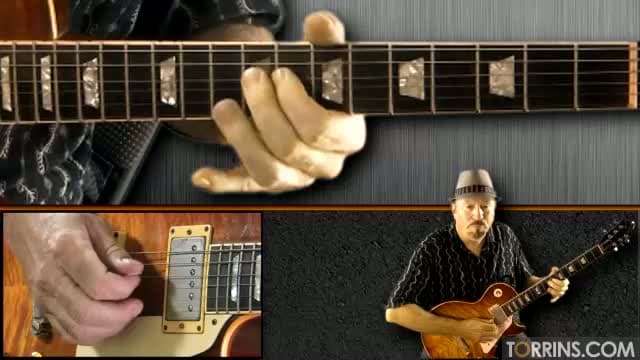
Torrins brings you an exciting lesson on The Thrill Is Gone, the legendary blues song made famous by B.B. King. Taught by Mike Dugan, this lesson is perfect for those looking to master both rhythm and lead guitar in a blues setting. You'll learn everything from chords and rhythm to soulful lead fills and solo techniques.
Fun Fact: While most people associate "The Thrill Is Gone" with B.B. King, the song was originally written and recorded by Roy Hawkins and Rick Darnell. However, B.B. King’s version became a massive hit, earning him a Grammy Award for Best Male R&B Vocal Performance in 1970 and a spot in the Grammy Hall of Fame in 1998.
Chords & Rhythm
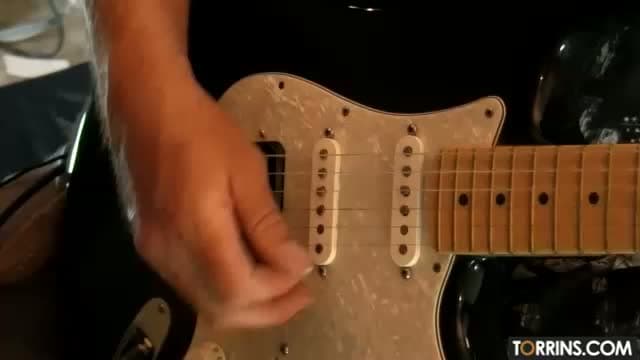
This lesson starts by breaking down the essential chords used in the song. The song is in the key of B minor, incorporating barre chords like Em, F#7, and others in a 12-bar blues progression. Mike explains the finger placements for each chord, ensuring clarity for both beginners and advanced players.
The rhythm follows a straightforward 4-feel, meaning it doesn’t use shuffle or swing. Mike provides an easy method to simplify the rhythm, explaining the accents and muting techniques that bring the groove to life.
Sing and Play Technique
One of the key elements of this song is matching vocals with guitar playing. The song follows a typical blues structure where the first line is repeated, making it essential to synchronize your playing with the melody. Mike shares helpful tips on keeping time and smoothly integrating vocals with guitar.
Solo & Lead Fills
Next, we dive into the iconic solo heard in the introduction. The solo is based on the B minor pentatonic scale, and Mike walks through each lick, ensuring you understand the phrasing and feel that make B.B. King’s style so expressive.
Following the solo lesson, the instructor covers lead fills, which are played in between vocal phrases. He sticks to the B minor pentatonic scale, showing how to create emotional lead parts.
Song Demo & Final Arrangement
The lesson concludes with a full song demo, allowing you to hear all the elements come together. The final arrangement follows the classic 12-bar blues progression, with a structure of intro, two verses, solo, two verses, and outro. Mike plays along with the backing track, reinforcing everything covered in the lesson.
Why Learn "The Thrill Is Gone"?
- Great way to practice 12-bar blues progressions.
- Helps improve lead guitar phrasing and soloing.
- Perfect for learning how to sing and play simultaneously.
FAQs -The Thrill Is Gone Guitar Lesson
Q1. Is this song beginner-friendly?
Yes! While some barre chords are involved, Mike provides tips to make them easier.
Q2. Do I need a capo for this lesson?
No capo is required!
Q3. What’s the best way to practice lead fills?
Start slow and break the fills into smaller sections. Play along with the backing track to develop feel and timing.