
Invisible Strings
Preview
Introduction
Chords and Rhythm (Easy)
Chords and Rhythm (Regular)
Chord Progression (Easy)
Chord Progression (Regular)
Song Arrangement (Easy)
Song Arrangement (Regular)
Vocal Melody (Verse)
Vocal Melody (Chorus)
Vocal Melody (Bridge)
Song Demo (Regular)
Song Demo (Easy)
No Description Available
Invisible Strings
Preview
Introduction
Chords and Rhythm (Easy)
Chords and Rhythm (Regular)
Chord Progression (Easy)
Chord Progression (Regular)
Song Arrangement (Easy)
Song Arrangement (Regular)
Vocal Melody (Verse)
Vocal Melody (Chorus)
Vocal Melody (Bridge)
Song Demo (Regular)
Song Demo (Easy)
Explore More in English Songs












Similar Indie folk music Songs

Songs with Similar Difficulty


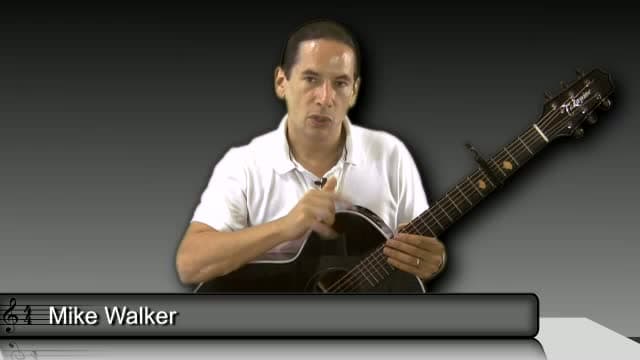
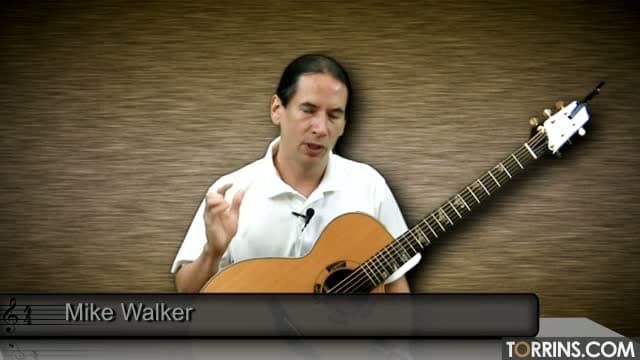
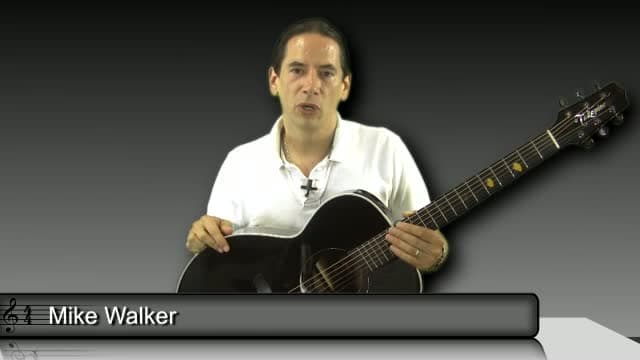
Introduction
Torrins brings you another heartfelt country classic—Always on My Mind by Willie Nelson, taught by Mike Dugan. This in-depth lesson covers everything from basic chords to advanced rhythm techniques, making it accessible for both beginners and advanced players.
Fun Fact: Always on My Mind was the Billboard number one country album of the year in 1982. It remained on the Billboard Top Country Albums chart for an astonishing 253 weeks, holding the number one spot for 22 weeks. It even spent 99 weeks on the Billboard 200, peaking at number two for three weeks!
Chords Used in Always on My Mind
Beginner Chords:
- D, A, Bm, etc (alternative chords provided for those struggling with barre chords)
- Bm/G# and other slash chords (simplified option available)
- Basic downstrumming technique
Advanced Chords:
- Walk-down from Bm barre chord to G, creating a smooth transition
- Em, A, D, and motion chord movement from Em to F#, along with other chord voicings
- Includes A/C# to add depth to the song
Rhythm & Strumming Pattern
Beginner Rhythm:
- Simple downstrumming throughout the song for easy playability
Advanced Rhythm:
- More dynamic strumming pattern: DUDDUD with variations in the upstrokes
- Incorporates subdivisions and expressive chord transitions to match the song’s emotional tone
Song Structure
This song follows a classic country ballad structure:
- Intro
- Verse 1 & 2
- Bridge – Separate versions for beginners and advanced players
- Solo Verse – Melody-driven section
- Bridge Repeat
Solo Section
- Uses the D major scale for advanced players
- Simple yet effective solo incorporating D and Bm/A chords, to name a few
- Captures the melody of the song to create an emotional instrumental moment
Improvisation Techniques
For those wanting to add their own flavour, Mike shares techniques to elevate their playing:
- Walk-down motions to create smoother transitions
- Letting open strings ring for a fuller sound
- Subtle rhythmic variations to match Willie Nelson’s expressive phrasing
Why Learn Always on My Mind?
This lesson is a great way to enhance your expressiveness as a guitarist. Whether you’re learning the basic chords or mastering the advanced transitions, Mike ensures that every player walks away with valuable skills.
FAQs – Always on My Mind Guitar Lesson
Q1. Is this song beginner-friendly?
Ans: It’s better suited for intermediate and advanced players, but Mike breaks it down for beginners as well.
Q2. What if I struggle with barre chords?
Ans: Alternative chord shapes are provided for Bm and Bm/G# to make it easier.
Q3. How can I improve my strumming on this song?
Ans: Beginners should start with downstrumming, while advanced players can incorporate upstroke variations and subdivisions for a more dynamic feel.
Q4. Does this lesson include a solo?
Ans: Yes! The solo is based on the D major scale and includes a simple yet effective melody.
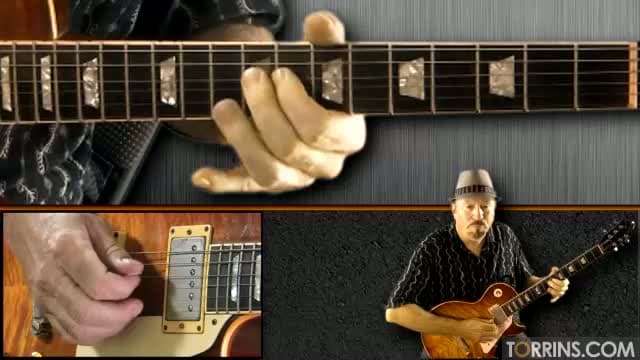
Introduction:
Torrins brings you an exciting lesson on The Thrill Is Gone, the legendary blues song made famous by B.B. King. Taught by Mike Dugan, this lesson is perfect for those looking to master both rhythm and lead guitar in a blues setting. You'll learn everything from chords and rhythm to soulful lead fills and solo techniques.
Fun Fact: While most people associate "The Thrill Is Gone" with B.B. King, the song was originally written and recorded by Roy Hawkins and Rick Darnell. However, B.B. King’s version became a massive hit, earning him a Grammy Award for Best Male R&B Vocal Performance in 1970 and a spot in the Grammy Hall of Fame in 1998.
Chords & Rhythm
This lesson starts by breaking down the essential chords used in the song. The song is in the key of B minor, incorporating barre chords like Em, F#7, and others in a 12-bar blues progression. Mike explains the finger placements for each chord, ensuring clarity for both beginners and advanced players.
The rhythm follows a straightforward 4-feel, meaning it doesn’t use shuffle or swing. Mike provides an easy method to simplify the rhythm, explaining the accents and muting techniques that bring the groove to life.
Sing and Play Technique
One of the key elements of this song is matching vocals with guitar playing. The song follows a typical blues structure where the first line is repeated, making it essential to synchronize your playing with the melody. Mike shares helpful tips on keeping time and smoothly integrating vocals with guitar.
Solo & Lead Fills
Next, we dive into the iconic solo heard in the introduction. The solo is based on the B minor pentatonic scale, and Mike walks through each lick, ensuring you understand the phrasing and feel that make B.B. King’s style so expressive.
Following the solo lesson, the instructor covers lead fills, which are played in between vocal phrases. He sticks to the B minor pentatonic scale, showing how to create emotional lead parts.
Song Demo & Final Arrangement
The lesson concludes with a full song demo, allowing you to hear all the elements come together. The final arrangement follows the classic 12-bar blues progression, with a structure of intro, two verses, solo, two verses, and outro. Mike plays along with the backing track, reinforcing everything covered in the lesson.
Why Learn "The Thrill Is Gone"?
- Great way to practice 12-bar blues progressions.
- Helps improve lead guitar phrasing and soloing.
- Perfect for learning how to sing and play simultaneously.
FAQs -The Thrill Is Gone Guitar Lesson
Q1. Is this song beginner-friendly?
Yes! While some barre chords are involved, Mike provides tips to make them easier.
Q2. Do I need a capo for this lesson?
No capo is required!
Q3. What’s the best way to practice lead fills?
Start slow and break the fills into smaller sections. Play along with the backing track to develop feel and timing.