Introduction
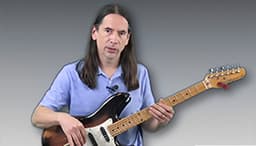
Introduction
Tune in to a detailed guitar song lesson on What It’s Like, a single by the American musician, Everlast. This 1998’s release was the lead single from his second studio album called Whitey Ford Sings the Blues.
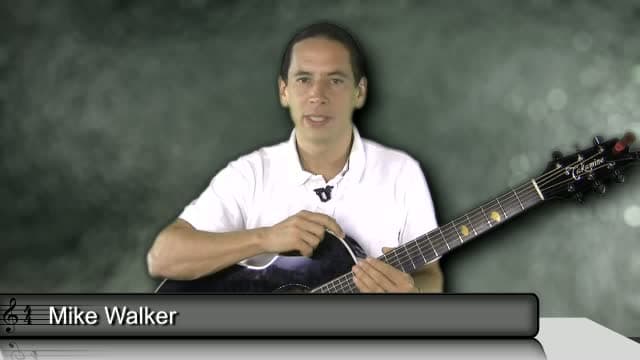
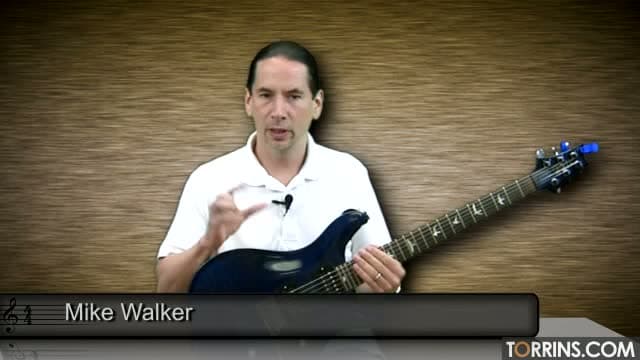
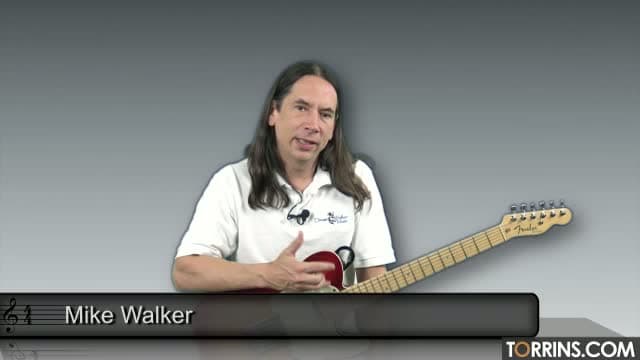
This guitar song lesson is taught by Mike Walker, an experienced musician and instructor at Torrins. He breaks the lesson down into sections: Introduction, Intro Chord Progression, Verse & Chorus, Arrangement, Interlude, and Outro.
Mike Walker teaches the What It’s Like Song guitar lesson using just 3 chords, two of which are Dm and C. No capo is needed!
Chords Used in What It's Like Guitar Lesson
- This song primarily revolves around three simple chords, making it accessible for players of all levels.
- The strumming pattern follows a DDU rhythm, adding a steady groove.
Strumming & Picking Techniques
The song subtly blends strumming and arpeggiation, giving it a dynamic and textured feel. The intro is centered around a D minor chord, with the occasional addition of Dsus4 to introduce subtle variation. Arpeggiated picking is used here to create a melodic and flowing texture, setting the tone for the rest of the song.
In the verse, the D minor chord continues to anchor the progression, while an arpeggiated riff adds depth and makes it more rhythmic.
Moving into the chorus, the strumming follows a consistent DDU (Down-Down-Up) pattern, repeated four times. On the fourth repetition, however, there’s a variation introduced at the end which is a distinctive 8-note strum pattern that adds energy and creates a pumping, driving effect.
Song Structure & Arrangement
The song builds gradually, with familiar sections repeating and subtle changes keeping things interesting. Here's a simple breakdown of how the song flows:
- Intro: A catchy opening riff sets the mood and is played four times.
- Verse 1: The main melody kicks in and repeats six times, helping you settle into the groove.
- Chorus: This part brings in energy. It’s played four times, with a twist added on the fourth round to keep things fresh.
- Interlude: A gentle picking section gives you a short breather before heading back into the main theme.
- Verse 2: Similar to the first verse, but extended — this time it's played eight times.
- Chorus: Returns with the same pattern, repeated four times.
- Bridge: Feels like a throwback to the intro, but with a longer run — played six times.
- Verse 3: Back again for eight repetitions.
- Final Chorus: Played three times as the song winds down.
- Outro: The song gradually fades out, giving it a smooth ending.
Mike shares a tip for those struggling with Fmaj7? Try leading with your third finger—this helps you get the note covered first, giving you an extra split second to position the rest of your fingers.
Why Learn What It’s Like?
- This lesson covers both strumming and fingerpicking, making it great for building dexterity.
- The song’s structure teaches you how to transition smoothly between sections and add dynamics to your playing.
- This song is a fantastic example of storytelling through music, giving you a chance to add emotion to your performance.
FAQs – What It’s Like Guitar Lesson
- Q1: Is this song beginner-friendly?
- Yes! While the Fmaj7 chord can be tricky, the slow tempo and repetitive structure make it easier to master.
- Q2: How can I improve my arpeggiation?
- Start slow, focus on even picking, and gradually increase speed.
- Q3: Do I need a capo?
- No capo is required for this version.
Fun Fact: The song became Everlast’s biggest solo hit after he left the trio House of Pain and transitioned from rap to a bluesy, acoustic hip-hop style, which was a bold and unexpected move at the time!
What Its Like
Introduction
Intro Chord Progression
Verse and Chorus
Arrangement
Interlude and Outro
Introduction
Tune in to a detailed guitar song lesson on What It’s Like, a single by the American musician, Everlast. This 1998’s release was the lead single from his second studio album called Whitey Ford Sings the Blues.
This guitar song lesson is taught by Mike Walker, an experienced musician and instructor at Torrins. He breaks the lesson down into sections: Introduction, Intro Chord Progression, Verse & Chorus, Arrangement, Interlude, and Outro.
Mike Walker teaches the What It’s Like Song guitar lesson using just 3 chords, two of which are Dm and C. No capo is needed!
Chords Used in What It's Like Guitar Lesson
- This song primarily revolves around three simple chords, making it accessible for players of all levels.
- The strumming pattern follows a DDU rhythm, adding a steady groove.
Strumming & Picking Techniques
The song subtly blends strumming and arpeggiation, giving it a dynamic and textured feel. The intro is centered around a D minor chord, with the occasional addition of Dsus4 to introduce subtle variation. Arpeggiated picking is used here to create a melodic and flowing texture, setting the tone for the rest of the song.
In the verse, the D minor chord continues to anchor the progression, while an arpeggiated riff adds depth and makes it more rhythmic.
Moving into the chorus, the strumming follows a consistent DDU (Down-Down-Up) pattern, repeated four times. On the fourth repetition, however, there’s a variation introduced at the end which is a distinctive 8-note strum pattern that adds energy and creates a pumping, driving effect.
Song Structure & Arrangement
The song builds gradually, with familiar sections repeating and subtle changes keeping things interesting. Here's a simple breakdown of how the song flows:
- Intro: A catchy opening riff sets the mood and is played four times.
- Verse 1: The main melody kicks in and repeats six times, helping you settle into the groove.
- Chorus: This part brings in energy. It’s played four times, with a twist added on the fourth round to keep things fresh.
- Interlude: A gentle picking section gives you a short breather before heading back into the main theme.
- Verse 2: Similar to the first verse, but extended — this time it's played eight times.
- Chorus: Returns with the same pattern, repeated four times.
- Bridge: Feels like a throwback to the intro, but with a longer run — played six times.
- Verse 3: Back again for eight repetitions.
- Final Chorus: Played three times as the song winds down.
- Outro: The song gradually fades out, giving it a smooth ending.
Mike shares a tip for those struggling with Fmaj7? Try leading with your third finger—this helps you get the note covered first, giving you an extra split second to position the rest of your fingers.
Why Learn What It’s Like?
- This lesson covers both strumming and fingerpicking, making it great for building dexterity.
- The song’s structure teaches you how to transition smoothly between sections and add dynamics to your playing.
- This song is a fantastic example of storytelling through music, giving you a chance to add emotion to your performance.
FAQs – What It’s Like Guitar Lesson
- Q1: Is this song beginner-friendly?
- Yes! While the Fmaj7 chord can be tricky, the slow tempo and repetitive structure make it easier to master.
- Q2: How can I improve my arpeggiation?
- Start slow, focus on even picking, and gradually increase speed.
- Q3: Do I need a capo?
- No capo is required for this version.
Fun Fact: The song became Everlast’s biggest solo hit after he left the trio House of Pain and transitioned from rap to a bluesy, acoustic hip-hop style, which was a bold and unexpected move at the time!
What Its Like
Introduction
Intro Chord Progression
Verse and Chorus
Arrangement
Interlude and Outro
Explore More in English Songs
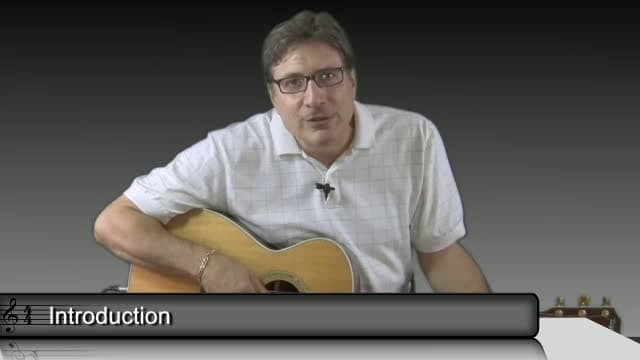
Introduction
Want to learn some popular tunes from the mid-'90s? Torrins has got you covered! Tune into our guitar song lesson on James Taylor’s version of the 1959 hit Handy Man. This song tutorial is led by our expert teacher, Steve Luciano, who has decades of experience teaching and playing guitar. He breaks down the Handy Man lesson into chords, rhythm, and strumming patterns to make learning this song a smooth process for you.
Fun fact: Did you know this song has been a hit twice? Handy Man was originally recorded by Jimmy Jones in 1959 and became a huge success, reaching #2 on the Billboard Hot 100. Nearly two decades later, James Taylor recorded his own mellow, acoustic version in 1977, which also became a hit, peaking at #4 on the Billboard Hot 100 and earning Taylor a Grammy Award for Best Male Pop Vocal Performance. How cool is that?
This version of Handy Man is a great example of James Taylor’s signature acoustic fingerpicking style, incorporating unique harmonies and intricate transitions. If you’re looking for a simpler version, we’ve got that too—check it out on the Torrins website!
Chords Used in Handy Man Guitar Lesson
This song is played in the key of D and features some interesting chord transitions. Here are some of the key chords used:
- Main chords: D, A, and some others.
- When reharmonizing the second verse: Em, F#m7
- Slash chords to add depth and movement: A/C#, G/B, and a few others.
Tune into the complete Handy Man song lesson to know the rest of the chords.
Steve breaks down unique chord transitions specific to this song to help you capture its distinct, smooth sound.
Fingerpicking & Strumming Techniques
Unlike traditional fingerpicking, Handy Man features more of a plucking style—playing bass notes while plucking the strings together for a fuller sound.
- The song starts with pickup notes and incorporates hammer-ons to add subtle dynamics.
- If you’re not comfortable with fingerpicking, you can strum the entire song instead. It still sounds great!
Song Structure & Rhythm
This song follows a classic verse-chorus format.
- Keep an eye on chord transitions, especially when moving between slash chords, as they add a unique colour to the song.
- The multi-angle camera views (focused on fretting, strumming, and a complete overview) help you get a clear, close-up look at all movements –making learning much faster and more effective.
- Make use of tabs and lyrics for a smoother and more structured learning experience.
Why Learn the song Handy Man on guitar?
James Taylor’s Handy Man is a fantastic piece for learning fingerpicking while maintaining a steady rhythm. Plus, it’s an excellent exercise for improving chord transitions and adding finesse to your playing.
FAQs – Handy Man Guitar Lesson
Q1. Do I have to use fingerpicking?
You can strum the entire song if you prefer. However, fingerpicking brings out its full depth.
Q2. How can I make my transitions smoother?
Steve shares specific techniques for transitioning between chords effortlessly. Practising slowly and focusing on finger positioning will help.

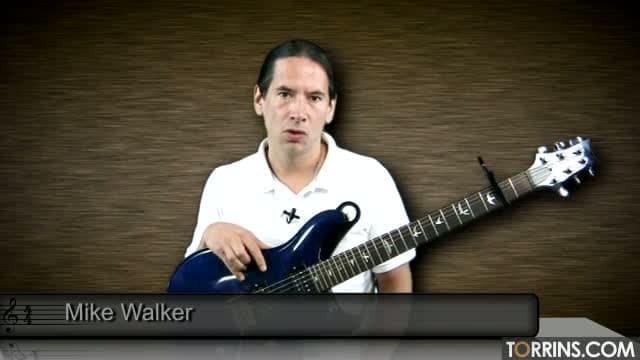

Introduction
Learn the famous “I Shot the Sheriff” on Torrins, led by our expert instructor Steve Luciano, who has decades of experience playing and teaching guitar. “I Shot the Sheriff” is originally a reggae song written by Bob Marley and released in 1973 with his band, The Wailers. However, you'll be playing Eric Clapton’s version of this song with Steve on Torrins.com. Eric recorded his cover in 1974 for his album 461 Ocean Boulevard. His performance of the song adds soft rock to the reggae sound, giving it a unique feel.
The difficulty level of this guitar lesson ranges from beginner to intermediate and breaks down the chords, rhythm, structure, and strumming pattern in a simple yet engaging way! So, tune in and unfold the magic of this hit cover!
Steve Luciano teaches the I Shot The Sheriff Song guitar lesson using 4 movable chords: Gm, Cm, Eb, and Dm. No capo is needed!
Chords Used in I Shot the Sheriff Guitar Lesson
This song is played using movable chords, which are common in reggae music.
Chords used: Gm, Cm, Eb, Dm
Steve teaches essential finger positioning and movement techniques to help make chord transitions smoother. He also demonstrates how to lighten finger pressure to achieve the signature reggae "deadening" effect on the strings.
Strumming Pattern
Pattern: D-U-D-U
- Like other reggae songs, this one emphasizes playing on the downbeat but feeling the upbeat to capture its groove.
- It’s good if you practice the chords first before adding rhythm, as some transitions can be tricky.
Song Structure
This song follows a verse-chorus format:
- Verse: The beginning of the song primarily uses Gm and Cm chords.
- Chorus: Introduces the Eb chord, which can be challenging for some players. Steve demonstrates easier ways to play Eb, particularly for those with larger fingers.
- The chorus chord progression repeats five times.
- At the end of the chorus, there's a signature single-note tag based on the Gm pentatonic scale. This lick is played each time the chorus ends.
Improvisation Techniques
- The song features a signature lick at the end of the chorus, based on the Gm pentatonic scale. Steve breaks down how to play the notes smoothly to maintain the song’s groove.
Why Learn I Shot the Sheriff on Guitar?
- Learning this song can help you master movable chord shapes commonly used in reggae.
- It will also help you improve reggae-style strumming and chord muting techniques.
- Additionally, it provides insight into lead guitar phrasing with the signature pentatonic lick.
Tips for Playing the Song Smoothly
- Practice chord transitions first before adding strumming.
- Loosen your grip to achieve the proper reggae deadening effect.
- Feel the upbeat while strumming for an authentic reggae sound.
FAQs – I Shot the Sheriff Guitar Lesson
Q1. Is this song beginner-friendly?
A: It’s suitable for intermediate players, as it uses movable chords, which may be challenging for beginners.
Q2. What if I struggle with the Eb chord?
A: Steve demonstrates easier alternatives for players who find it difficult, especially those with larger fingers.
Fun Fact: “I Shot the Sheriff” was originally a spiritual metaphor for birth control, though Bob Marley never revealed which lyrics were true. Eric Clapton’s 1974 cover became a massive hit, introducing Marley’s music to rock audiences worldwide. While Marley was happy with the cover, he was frustrated that the song was widely misinterpreted as an anthem against injustice and corruption rather than its original meaning.
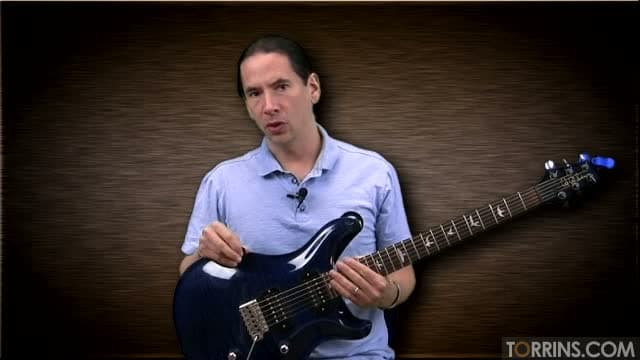





Similar Rock Songs



Introduction
Tune into another guitar lesson on a popular Beatles song on Torrins.com, While My Guitar Gently Weeps written by George Harrison, taught by Mike Dugan. He makes learning this song fun, easy, and rewarding! He breaks this guitar song lesson into various sections like Introduction, Chords & Rhythm, Verse & Chorus (singing), Advanced Rhythm, and Solo Improvisation.
Fun Fact: George Harrison wrote While My Guitar Gently Weeps as an exercise in randomness after his return from India, where the Beatles studied Transcendental Meditation. Inspired by the idea that nothing is coincidental, he opened a book at random, saw the words "gently weeps," and turned them into one of his most iconic songs.
Chords Used in While My Guitar Gently Weeps Guitar Lesson
The guitar lesson on While My Guitar Gently Weeps is taught using chords like Am, Am/G, D7/F#, to name a few. It also involves some barre chords. Tune in to the complete guitar song lesson to know the rest of the chords that make up this song.
This version of While My Guitar Gently Weeps is played in the key of A minor. The song includes a mix of open and barre chords, adding depth and complexity to the arrangement.
The bridge introduces barre chords like C#m and F#m. Mike shares some great tips on transitioning between these barre chords smoothly, essential for mastering the flow of the song.
Strumming Pattern
For beginners, Mike keeps it simple with an easy 4-down-strum pattern that’s great for building confidence.
For intermediate and advanced players, he introduces a more intricate alternating rhythm:
DUDUDU – accenting beats two and four (like most rock songs) for a more dynamic feel.
Song Structure
The song follows a clear and repeatable structure that gives it a steady flow and allows for expressive variation. It begins with an intro, setting the tone before moving into Verse 1 and Verse 2, which establish the core melody and lyrical theme. The bridge introduces a vocal shift, featuring a touch of falsetto to accommodate the slightly higher notes, adding emotional lift and dynamic contrast. Following this, the guitar solo steps in, showcasing expressive phrasing built on the A minor pentatonic scale. The playing style, marked by smooth vibrato and a warm overdrive tone, is clearly inspired by Eric Clapton’s bluesy sensibilities. The structure then returns to the bridge and another verse, before easing into a jam section. This relaxed closing passage offers space for personal interpretation and creative improvisation, making it a satisfying conclusion to the track..
Mike teaches how to sync your singing with chord changes by accenting the words that align with the next chord. This makes it easier to play and sing simultaneously.
Improvisation Techniques
In the solo section, Mike offers a detailed breakdown of how to use the A minor pentatonic scale to craft expressive, personality-filled solos in the style of Eric Clapton.
He walks you through essential techniques like achieving smooth vibrato, bending notes accurately to stay in pitch, and adjusting your speed and tone to create a polished, professional sound. If vibrato has been a sticking point for you, Mike dedicates extra time to break down the technique in a way that's easy to grasp. And if you’re looking for more practice, our dedicated vibrato lessons are just a click away.
Why Learn While My Guitar Gently Weeps?
- Great choice of song for working on barre chord transitions.
- The solo section introduces you to classic rock licks, helping you develop a more expressive playing style.
Tips for Better Playing
- Keep your strumming hand moving consistently to maintain rhythm.
- Focus on clean chord transitions, especially in the bridge.
- Practice the solo slowly first, then build up speed gradually.
FAQs – While My Guitar Gently Weeps Guitar Lesson
Q1. Is this song beginner-friendly?
There is a beginner version of this song which focuses on a simple strumming pattern.
Q2. Do I need to use falsetto when singing the bridge?
It’s optional—but using falsetto adds a smoother tone. Mike shows how to adjust based on your vocal range.