Catch the Rainbow
Introduction
Chords and Rhythm
Intro+Verse+Chorus
Solo-1
No Description Available
Catch the Rainbow
Introduction
Chords and Rhythm
Intro+Verse+Chorus
Solo-1
Explore More in English Songs



Introduction:
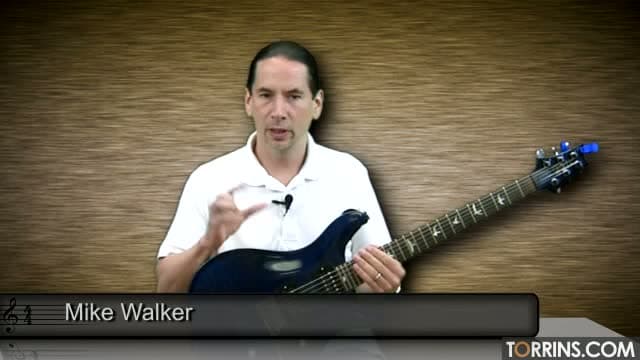
Torrins brings you a detailed lesson on Hotel California by The Eagles, taught by Mike Walker. This song is a rock guitar masterpiece, featuring multiple guitar parts, intricate solos, and the signature 12-string acoustic intro that every guitarist wants to master.
To ensure a smooth learning experience, this lesson includes tabs and lyrics and breaks down each guitar part step by step.
Fun Fact: In 1998, during their induction into the Rock and Roll Hall of Fame, all seven Eagles members performed Hotel California together for the only time ever.
Chords, Rhythm, & Song Arrangement
This lesson covers multiple guitar parts, from acoustic rhythm to electric lead work.
- Guitar 1: The 12-string acoustic intro played by Steve Luciano.
- Guitar 2: Played on an acoustic guitar, covering the main chord progression with precise picking patterns. This part starts with an open D chord and moves through a D major triad.
- Chords Used: D, Em, F#m, Bm, and more. Mike breaks down which strings to leave open and which to mute for the perfect sound.
- Guitar 3 (Reggae Section): A muted electric guitar rhythm that appears in the verse section. Played in the key of B minor, with movable F# and E9 chords. It also has some inverted chords. The strumming pattern follows a downstroke with an open fretboard, followed by a down-up motion. Tune into the learn it seamlessly by the pro!
- Guitar 4 (Muted Clean Part): A subtle section that introduces muting techniques and power chords, adding to the song's dynamic feel.
- Guitar 5 & Guitar 6: These sections introduce lower and higher harmonies, reinforcing the layered guitar arrangement.
Mike walks through each of these sections in detail, ensuring you can replicate the exact feel of the original recording.
Lead Guitar-Licks & Solos
- Overdub Licks: The first chorus features a double-stop lick with hammer-ons and pinch harmonics.
- Three Guitar Solos: The solos blend B minor pentatonic, B minor, and B harmonic minor scales. Some licks focus on bends, slides, and expressive phrasing.
- Outro Solo: Features two interwoven guitar parts, with the first part built around arpeggios like the B minor arpeggio.
Mike takes you through each solo note by note, showing how to nail the tone and phrasing of this legendary song.
Beginner-Friendly Chord Progression
If you're not ready to tackle all the guitar layers, Mike provides a simplified chord progression that lets beginners play along with the song.
- Chords Used: A, E, F#m, Em, and others.
- Alternative Strumming Pattern: A beginner-friendly rhythm variation to match the song’s feel.
Why Learn Hotel California?
- Essential for Rock Guitarists – It is one of the most recognizable intros and solos in rock history.
- Teaches Advanced Techniques – This song includes various techniques like fingerpicking, muting, harmony lines, and expressive soloing.
- Perfect for Rhythm & Lead Players – The song covers both acoustic strumming and intricate lead work.
FAQs – Hotel California Guitar Lesson
Q1: Is this lesson beginner-friendly?
While the original song is challenging, the lesson includes simpler chord progressions and rhythm parts for beginners.
Q2: What techniques will I learn?
Muted strumming, harmony playing, arpeggios, lead phrasing, and solo improvisation techniques.


Introduction:
Learn to play Elmore James' version of "It Hurts Me Too" with this detailed guitar lesson on Torrins.com taught by our instructor Mike Dugan. This classic 8-bar blues song features soulful melodies, a walking bassline, and the Delta blues technique, making it a must-learn for blues enthusiasts. This lesson includes chords, rhythm techniques, solo breakdowns, and a full song demo, with tabs and lyrics provided for a complete learning experience.
Fun Fact:
"It Hurts Me Too" is one of the most interpreted blues songs ever! Originally recorded by Tampa Red in 1940, Elmore James' recorded it once in 1957 and then in 1962. His 1962 version became a hit, staying on the Hot Rhythm & Blues Singles chart for eight weeks and even making its way to Billboard’s Bubbling Under Hot 100 Singles chart two years after his passing.
Chords & Rhythm in "It Hurts Me Too"
- Key: D
- Chords Used: D7, A7, and others. Tune into the lesson to learn the rest of the chords used.
- Rhythm Pattern: DUDDUDDUDDUD (He also teaches an alternative positioning for a different feel.
- For advanced players, a Chuck Berry-style rhythm is introduced to add a more dynamic groove.
- The Delta blues technique is broken down in detail, ensuring you capture the authentic blues sound.
Sing & Play Section
- The lesson covers how to match vocals with chord changes and maintain steady downbeat strumming.
- The punchline of each verse remains the same, making it easier to follow along while singing.
Solo Breakdown
- The solo begins in the D major blues scale, bringing a bright and melodic sound.
- After a few measures, it shifts into D minor pentatonic, adding emotional depth and contrast.
- Mike Dugan explains this major-to-minor blues transition, a technique that gives the song its signature feel.
Song Demo
- In this final section, Mike plays the full song with a backing track, bringing together all elements learned in the lesson. Follow along with him to learn the intricacies of this song perfectly.
Why Learn "It Hurts Me Too"?
This lesson is a great way to improve blues phrasing, rhythm control, and soloing techniques. Whether you're a beginner looking to learn essential blues progressions or an advanced player eager to refine your Delta blues technique, this song is an excellent addition to your repertoire.
FAQs – "It Hurts Me Too" Guitar Lesson
Q1. Is this lesson beginner-friendly?
Yes! The song uses simple chords, and the lesson breaks everything down step by step, making it accessible for all skill levels.
Q2. Can I play the song without singing?
Absolutely! The lesson teaches the instrumental parts separately, so you can focus on mastering the guitar before adding vocals.
Q3. How do I improve my blues soloing?
This lesson introduces a major-to-minor blues shift, a great technique for creating emotional and expressive solos. Practice this transition to add more depth to your playing. Moreover, you can also check out our in-depth Blues Guitar lessons to improve your skills.


Introduction:
Torrins brings you another heartfelt guitar song lesson I Will Be Here by Steven Curtis Chapman, taught by J.J. Pattishall. This lesson focuses on fingerpicking, chord transitions, and rhythm techniques, making it a great song to develop both your picking accuracy and emotional expression.
Interesting Fact: This song carries deep personal meaning. Chapman wrote it as a promise to his wife during a difficult time when his parents were going through a divorce. It became one of his most beloved songs, offering reassurance and commitment through its lyrics and melody.
Chords & Song Structure
This lesson breaks the song into easy-to-follow sections: Intro & Verse, Chorus, Bridge, Song Demo, Rhythm, and Sing & Play.
Capo is on the 1st fret
Key used is D (relative to capo), actual tuning is Eb
Chords Used:
- Intro & Verse: Dsus2, A7sus4, Bm (a barre chord), Em7, and others
- Chorus: Bm/A, A/G, D/F#, and more
- Bridge: Includes a diminished chord and a piano/instrumental section
J.J. shares some alternatives for the difficult chords such as barre chords.
The chords are arpeggiated, giving the song its signature flow. J.J. carefully explains finger placement and picking techniques to help you achieve the song’s delicate feel.
Fingerpicking & Rhythm Patterns
This song features a beautiful fingerpicking pattern. J.J. breaks it down in detail, ensuring that even beginners can grasp the technique.
For those who find fingerpicking challenging, he also introduces two basic rhythm patterns as an alternative:
- DDUDDUDDUD – A straightforward strumming pattern
- DDUUDDDUUD – Adds syncopation for a more dynamic feel
Verse, Chorus & Bridge Breakdown
- Intro & Verse: J.J. carefully walks through the arpeggiated chords and explains how to maintain a steady rhythm. He also shares a technique to create a flowing fingerpicking style.
- Chorus: The transitions between chords like Bm/A, F#, A/G, and D/F# are broken down step by step. He highlights turnarounds, ensuring smooth movement between sections.
- Bridge: Features a diminished chord, adding tension and resolution to the song. J.J. also explains the piano and instrumental section.
Sing & Play – Coordinating Vocals & Guitar
This lesson doesn’t just teach you how to play the guitar part—it also helps you combine playing with singing. J.J. explains:
- How to sync your strumming or fingerpicking with the lyrics
- Phrasing techniques to match the melody with chord changes
- How to make the song your own while staying true to its essence
Final Song Demo & Play-Along
To bring everything together, J.J. performs the song with a backing track, reinforcing all the techniques covered in the lesson. This play-along section lets you practice along and refine your timing and transitions.
Why Learn I Will Be Here?
- Develops fingerpicking skills – great for improving coordination and technique
- Enhances chord transitions – teaches smooth movement between complex shapes
FAQs – I Will Be Here Guitar Lesson
Q1: Is this lesson beginner-friendly?
Yes! While the fingerpicking and chord shapes may seem tricky at first, J.J. provides simplified alternatives and a step-by-step breakdown.
Q2: Can I strum instead of fingerpick?
Absolutely. J.J. introduces two strumming patterns for those who prefer a rhythmic approach.
Q3: Do I need a capo?
Yes, place the capo on the 1st fret to match the song’s key.