Somewhere I belong
Preview
Introduction
Chords and Rhythm-Regular
Chords and Rhythm-Easy
Song Arrangement-Easy
Song Arrangement-Regular
Song Recap
Vocal Melody
Song Demo-Regular
Song Demo-Easy
No Description Available
Somewhere I belong
Preview
Introduction
Chords and Rhythm-Regular
Chords and Rhythm-Easy
Song Arrangement-Easy
Song Arrangement-Regular
Song Recap
Vocal Melody
Song Demo-Regular
Song Demo-Easy
Explore More in English Songs

Introduction
Join our expert instructor, Bobby Koeble, for an in-depth lesson on "Always With Me, Always With You" by Joe Satriani. This song is a lyrical masterpiece known for its challenging legato-style licks and smooth melodic phrasing. This intermediate to advanced-level lesson will walk you through every section of the song, helping you master both the technical and emotional elements that make it so iconic.
Interesting fact: Joe Satriani wrote "Always With Me, Always With You" as a heartfelt tribute to his wife. Unlike many of his other complex, high-energy tracks, this song stands out for its melodic simplicity and emotional depth. Satriani has said that the song represents a peaceful and constant connection with his wife, capturing the feeling of always being together no matter the distance.
Bobby has broken down the song lesson into various sections for a detailed understanding.
- Introduction
- Separate lessons for Solo section 1-6
- Conclusion and backing track
Chords Used
This song is in the key of B major and follows a 3/4 time signature. Some of the key chords used are:
- B11 – Uses the E string for added depth.
- E major – Bobby teaches a unique fingering that differs from standard chord shapes.
- G# minor and F#sus4 – Essential for the song’s harmonic feel.
Tune into the song lesson to learn the rest of the chords that make up this song.
Strumming Pattern
The rhythm of this song is signature to the tune. It follows a strict 8-note rhythm with incorporated techniques such as:
- Palm muting
- Arpeggios
- Sliding
Bobby also shares alternative ways to approach the rhythm so you can find what works best for you.
Song Structure
This song features a flowing, solo-driven structure:
Intro: It has a lyrical melody featuring legato-style licks
Solo Section 1: It is played in the key of B major and incorporates harmonics, vibrato, and sliding.
Solo Section 2: Moves higher up the neck and incorporates heavy use of vibrato and smooth phrasing.
Solo Section 3: This section has a harmony and melody change and is slightly longer and more complex. It introduces left-hand legato techniques.
Solo Section 4: Main melody moves up an octave and incorporates two-handed tapping.
Solo Section 5: It is the most rhythmically challenging part that includes double stops and varied phrasing.
Solo Section 6: Returns to the earlier melody with subtle variations in slide and inflexion. It has a fast legato-based lick to close out.
Outro: Bobby wraps up the lesson by playing along with the backing track
Why Learn This Song?
- Master left-hand legato techniques
- Develop precise control over sliding and vibrato
- Incorporate bluesy elements into your playing
- Build confidence with soloing and tapping
FAQs- Always With Me, Always With You Song Guitar Lesson
Q1. Is this song suitable for beginners?
No, this lesson is best for intermediate to advanced players due to the complex legato and tapping techniques.
Q2. How can I improve my sliding and vibrato?
Focus on timing and pressure consistency. Bobby shares detailed tips on mastering both.



Introduction
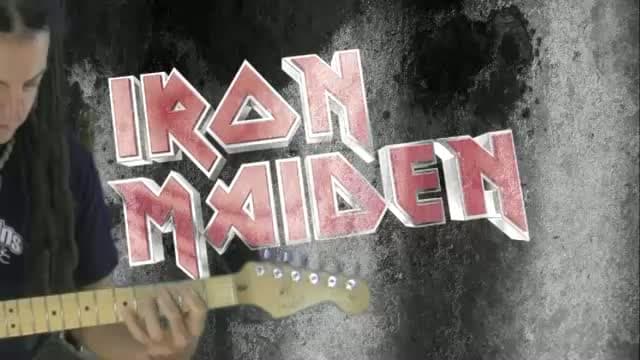
Tune into a guitar lesson on the classic heavy metal song "The Trooper" brought to you by Torrins, led by our expert instructor, Bobby Koeble. This song by the English heavy metal band Iron Maiden was released in 1983, and a live version of the song was issued in 2005.
Fun Fact: "The Trooper" by Iron Maiden was inspired by the famous Charge of the Light Brigade during the Crimean War in 1854. The song’s lyrics are based on Alfred, Lord Tennyson’s poem of the same name, which describes the bravery and tragic loss of British cavalry who were misled into a deadly Russian artillery ambush. The intense galloping rhythm of the song reflects the chaos and urgency of the battlefield charge.
Bobby breaks down this classic song lesson into the following parts to ensure a smooth learning experience for learners:
Introduction
Intro Riff
Main Riff & Verse
Chorus & Song Arrangement
Solo 1- Part 1 & 2
Rhythm for Solos
Solo 2
Solo 2 using Whammy Bars
Discussion & Conclusion
Trooper with Backing Track
Chords Used in The Trooper Guitar Lesson
- Most of the song is in the key of E or E minor with a 4/4 time signature. Bobby plays the song in standard tuning.
- The chorus uses a D chord followed by a low E power chord.
- The solos are in the key of A minor and use chords like G, and F, along with others.
- There are harmony parts in the intro and main riffs, with techniques like pull-offs and whammy bar used in the solos.
Strumming Pattern
- The song follows a fast-paced, galloping rhythm—a signature Iron Maiden style.
- Bobby breaks down the strumming pattern and offers options for handling the harmony in the intro.
- Beginners can start with a simple downstroke rhythm, while more advanced players can work on refining the galloping feel.
Song Structure
The song unfolds with a clear and consistent progression that keeps listeners engaged from start to finish. It kicks off with a high-energy intro riff, a fast-paced harmony section that repeats four times to set the tone. This leads into the main riff and verse, where the finger placements and note sequences are broken down for easy understanding.
From there, the momentum builds into the chorus, which delivers a bold shift in rhythm and mood. After returning briefly to the main harmony riff, the song moves into the second verse, introducing a slight rhythmic variation with a galloping feel that adds fresh texture.
The next pass through the chorus sets the stage for not just one, but two solo sections, each packed with expressive phrasing and technique. After the solos, the main harmony riff reappears, anchoring the listener before launching into the third and final verse. Finally, the track winds down with an outro that circles back to the familiar intensity of the intro, bringing the piece full circle with a satisfying sense of closure.
Improvisation Techniques
- The solos are played in A minor.
- Solo 2 includes whammy bar technique for added depth and expression.
Bobby ends the lesson by playing along with a backing track—a great way to practice and refine your playing.
FAQs – The Trooper Guitar Lesson
Q1. Is this song suitable for beginners?
It’s more suited for intermediate players due to the fast-paced rhythm and advanced solo work.
Q2. What’s the key challenge in this song?
The galloping rhythm and smooth chord transitions require precision and practice.
Q3. Do I need a special tuning?
No, the song is played in standard tuning.




Introduction:
Torrins brings you an exciting guitar lesson on Sultans of Swing by Dire Straits, taught by Mike Dugan. This song blends fingerstyle finesse with classic rock grooves, and Mike breaks it all down into bite-sized lessons so you can follow along at your own pace.
Interesting Fact
Mark Knopfler originally wrote the song on a National Steel guitar in open tuning. He thought it sounded dull—until he tried it on his 1961 Fender Stratocaster. The moment he plugged it in, the song “came alive,” and the now-famous chord changes practically wrote themselves.
Chords & Progression
This song is in the key of D minor and uses both barre and open chords.
Chords include: Dm (barre), Bb, A7, F, and others.
The progression is smartly structured across the different sections, and Mike breaks down which chords go where and how they’re distributed across measures.
Song Structure
Each section is covered in detail, including how the chords and rhythms evolve throughout the song.
Intro Rhythm and Bounce Feel
One of the most iconic parts of Sultans of Swing is its bounce. Mike explains how this bounce is created by returning to the D minor chord in the intro, and how to use finger lifts and muting to shape the rhythm. He simplifies the feel for beginners while encouraging a relaxed hand to avoid letting the guitar ring too much. The subtle muting helps create those signature accents that make this riff so catchy.
Riff Rhythm
The riff acts as the instrumental bridge between verses and chorus, and it’s rhythmically complex. Mike shares a unique method to help you internalize the up and down strumming pattern and nail the timing.
Verse and Chorus – Singing & Playing Together
Mike walks you through how to match your vocals with the guitar parts, offering tips on timing and phrasing. The chorus uses a repetitive chord progression, so once you lock it in, you can focus more on dynamics and vocal delivery.
Intro Lead and Riffs
The lead parts are based around the D minor pentatonic scale, with one note borrowed from F major, and also include arpeggios. Mike breaks this down note by note, making the intro riff approachable even for those who are new to lead playing.
Solo Improvisation
The end solo of the song is a masterclass in feel and phrasing. Mike starts at the 10th fret and teaches the solo string by string. He introduces a cool technique called calming, along with triplet patterns, giving your solo a more expressive touch.
Main Riff Breakdown
To wrap up, Mike teaches the main riff of the song, played using a pick and two fingers for a hybrid picking effect. The riff includes the D minor triad and showcases how intricate fingerpicking can add character to a song.
FAQs – Sultans of Swing Guitar Lesson
Q1: Is this song beginner-friendly?
It’s more suited for intermediate players, but Mike breaks it down clearly, and beginners can still follow along section by section.
Q2: Do I need a capo?
No capo is needed for this version.
Q3: How do I get the “Knopfler feel”?
Focus on muting, dynamic accents, and hybrid picking. Let the rhythm breathe, and play with feel over flash.

Introduction:
Torrins brings you another legendary blues guitar lesson—Stormy Monday as played by The Allman Brothers Band, taught by Mike Dugan. This classic blues song is packed with soulful chords, smooth rhythm, and expressive lead playing, making it a must-learn for any blues guitarist.
Fun Fact: Originally written by T-Bone Walker, Stormy Monday inspired blues legends like B.B. King to pick up the electric guitar. Moreover, the Allman Brothers' 1971 version, with jazzy organ and extended solos, transformed it into an iconic 8-minute masterpiece.
Chords & Song Arrangement
- This song follows a 12-bar blues progression in the key of G, incorporating both open and barre chords:
- Chords Used – G#7, Am7, Bbm7, and more. Some chords are barre chords, but Mike provides easier alternatives for different playing levels.
- Since T-Bone was known for his 9th chords, Mike also teaches 9th chord variations to bring out that authentic blues feel.
- The song includes a subtle sharp climb, adding to the T-Bone Walker-style phrasing.
Rhythm & Strumming Pattern
- Time Signature: 4/4
- Main Rhythm: A slow blues groove with a simple strumming pattern at first.
- Alternative Rhythm: A 6-feel rhythm (double-time feel), adding an upbeat bluesy bounce.
Mike also demonstrates advanced rhythmic techniques, incorporating double stops, slides, and dynamic accents to enhance the song’s groove.
Intro Lick, Turnaround & Ending
- Intro Lick – A G9 chord-based intro, first broken down in a simplified version before introducing more advanced variations using sharp and augmented chords.
- Turnaround – Mike walks through classic turnaround chords, showing how they fit into the blues form.
- Ending – He teaches a common blues-style ending which is useful for countless other blues songs.
Sing & Play – Coordinating Vocals & Guitar
Want to sing while playing? Mike shares practical tips on how to sync your vocals with the guitar. He encourages adding your own feel to the song while staying true to its blues roots.
Lead Fills & Lead Playing
- Lead Fills: The lesson starts with small lead fills that complement the vocals.
- Key & Scales: He uses the G minor pentatonic blues scale and major blues in G for expressive phrasing.
- Playing Lead in Slow Blues: Mike demonstrates bends, sustains, and dynamics, making your solos sound rich and emotional.
Improvisation & Playing with a Backing Track
- Here Mike explains how to improvise and when to use the major vs. minor scale. He also demonstrates how to craft a melodic, bluesy solo.
- Follow his approach, and soon, you’ll be confidently improvising your own slow blues solos!
Final Playthrough with Backing Track
To wrap up the lesson, Mike plays the full song with a backing track, reinforcing all the techniques covered. Watch closely and play along to lock in the feel and phrasing of this blues classic.
Why Learn Stormy Monday?
- Classic blues structure – great for understanding blues chord progressions.
- Improves both rhythm & lead playing – covers everything from chords to expressive solos.
- Perfect for improvisation – teaches you how to craft slow blues solos with feel.
FAQs – Stormy Monday Guitar Lesson
Q1: Is this lesson beginner-friendly?
Yes! Mike provides simplified chord alternatives and breaks down the song step by step.
Q2: What’s the most challenging part?
The double-time solo can be tricky, but Mike teaches how to ease into it.
Q3: How do I make my solos sound bluesier?
Focus on bends, vibrato, and using both the major & minor blues scales—all of which Mike explains in detail!