Cleopatra
Preview
Introduction
Chords and Rhythm
Song Arrangement
Vocal Melody
Song Demo
No Description Available
Cleopatra
Preview
Introduction
Chords and Rhythm
Song Arrangement
Vocal Melody
Song Demo
Explore More in English Songs



Introduction
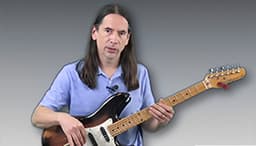
Torrins brings you an exciting guitar lesson on Insomnia by Rob Marcello, taught by the artist himself. This means you are learning the song's intricacies directly from the creator, giving you a unique insight into the techniques and creative choices behind this guitar masterpiece.
Fun Fact: Rob Marcello was quite young when he composed this song and admitted that he wasn’t fully familiar with advanced music theory at the time. While Insomnia may not have achieved mainstream chart success, it remains a respected piece within the guitar community.
Chords Used in Insomnia Guitar Lesson
- Intro: Intro is played in the key of G harmonic minor and uses a C minor arpeggio and triad. It also includes an F# chord along with other chords.
- Verse: Chords used: Gm, F/G. It’s a simple verse structure with basic licks. Practising this verse is a good exercise for picking accuracy.
- Chorus: In chorus, the key changes to C minor. This section involves arpeggios, sliding, and tapping
- Break Section: The key of G harmonic minor returns. It has a metal-style lick. One of the chords is a D chord.
- Classical Section: Has a key of G major. Ensure you have a clean note separation in this section. Tip: Lift each finger as you play.
- Pre-Solo Section: Some of the chords used are D major and E♭ major. This section involves sliding up the neck and is still in the key of G harmonic minor.
- First Solo: Base stays on G and includes F major arpeggio.
- Main Solo: It uses harmonic picking, a guitar technique where you pick a note while lightly touching the string to create a bright, bell-like overtone. The solo starts with blues licks played through a wah-wah pedal and follows a pentatonic blues box shape.
There are other segments in this song that cover Dominant 7 tapping lick, string skipping & pentatonic licks, and lastly, he ends the lesson by playing along with a backing track.
Why Learn Insomnia?
Insomnia is an excellent song for players looking to improve their left-hand legato, harmonic picking, and tapping techniques. It blends metal, blues, and classical influences, making it a well-rounded piece for guitarists aiming to develop technical precision and creative expression. It is better suited for advanced players.
Tips for Playing Insomnia:
- Pay attention to the rhythmic phrasing in the break section.
- Master the sliding and tapping techniques in the solos for a polished sound.
FAQs – Insomnia Guitar Lesson
Q1. Is this song beginner-friendly?
No, this lesson is suited for advanced players due to the complex techniques involved.
Q2. How can I master the classical section?
Ensure clean note separation by lifting each finger immediately after playing the note.


Introduction
Get ready to master another hit song on Torrins—If It's Love by Train. This moderate-level lesson is taught by Steve Luciano, who breaks down the song into easy-to-follow sections. You'll learn about the chords, strumming patterns, and intricate techniques that make this song so engaging. Steve also shares detailed tips on finger placements and rhythm to help you recreate the authentic feel of the original track.
Fun Fact: If It's Love was written on the same day as Train's hit Hey, Soul Sister in New York City. Pat Monahan wrote it as a love song for the band's long-time fans, thanking them for their unwavering support over the years.
Chords Used in If It's Love
The song is tuned half a step down and features a mix of standard and suspended chords. Some of the key chords used include:
- G triad
- G chord
- Gsus4
- Csus4
- D4
- Dsus/F#
- G/B
Tune in to the lesson to learn the other chords that make up this song. Steve carefully explains the finger placements for these chords, especially complex chords like Dsus/F#, to ensure you get the right tone.
Strumming Pattern
The song starts with a drum section, and Steve demonstrates how to simulate that drum feel using strumming techniques.
- In the beginning, the rhythm follows a 16th note pattern: DUDUDUD
- As the song progresses, the pattern shifts to: DDUUUD
Steve emphasises the importance of keeping your right hand moving to maintain a consistent rhythm. He also explains how to incorporate sliding and arpeggios into your strumming to enhance the song's texture.
Song Structure
If It's Love follows a clear and structured format. Tune in to the lesson to understand the arrangement of the song.
In the beginning, Steve uses just 3–4 chords, making it approachable for most players.
As the song progresses, he introduces more complex chords like Dsus/F#, adding depth to the arrangement
Steve concludes the lesson by playing along with the song, demonstrating smooth transitions between sections.
Improvisation Techniques
For more advanced players, Steve teaches how to improvise over the progression using slides and arpeggios. He also explains how to replicate the original feel of the song by experimenting with the rhythm and strumming intensity.
Why Learn If It's Love?
This song is an excellent way to improve your chord transitions and rhythm skills. It also introduces suspended chords and alternate fingerings, helping you build greater versatility in your playing.
Tips to Control Strumming Intensity:
- Keep the beginning section light with gentle strumming.
- Add more intensity in the chorus by strumming harder and using accents.
- Maintain a steady rhythm throughout the song to keep the groove intact.
FAQs – If It's Love Guitar Lesson
Q1. How can I improve my rhythm and timing?
Practice with the backing track and focus on Steve’s tips for simulating the drum section with your strumming.
Q2. Do I need to tune down my guitar?
Yes, the song is tuned half a step down for an authentic sound.
Q3. How can I handle the suspended chords more smoothly?
Steve suggests specific finger placements and transitions to make switching between suspended chords easier.



Introduction:
Torrins brings you another country sing-and-play lesson "You Ain’t Goin’ Nowhere", recorded by The Byrds and originally written by Bob Dylan. Taught by Mike Dugan, this lesson makes it easy for anyone to learn, whether you’re just starting out or looking to refine your rhythm and strumming technique.
Fun Fact: Bob Dylan wrote You Ain’t Goin’ Nowhere in 1967 during his self-imposed exile following a motorcycle accident. The Byrds later popularized the song with their signature country-rock sound.
Chords & Song Structure
This song is played in the key of G and follows a simple country chord progression, making it a very easy song to learn and play for players of all skill levels.
Chords Used - G, Am, and others. Mike walks through the finger placements and transitions, ensuring you get a smooth chord change.
The lesson also covers chord distribution across measures, making it easy to follow along and learn.
Strumming Pattern & Rhythm
The song has two strumming approaches:
- Beginner-Friendly Strumming – Simple downstrums that keep the rhythm steady and easy to sing along with.
- Advanced Strumming – For players looking to add more depth, Mike introduces a DDUDD pattern, explaining where to add accents for a more dynamic sound.
The lesson also includes tips on rhythm timing to attain the song’s natural flow.
Sing & Play
One of the biggest challenges for many players is singing while playing. Mike breaks down the coordination between vocals and guitar, showing:
- Which words align with downstrums
- Where to pause or hold a chord
- How to gradually add complexity to your strumming without losing the vocal flow
If you want to be the life of the party, this lesson will help you sing and play smoothly, even if you’ve never done it before. So, get your guitar ready and start strumming along to this timeless country classic today.
Final Playthrough – Bringing It All Together
Mike plays through the entire song twice—once with the beginner strumming pattern and then with the advanced version. The song has a retarded (slowed-down) ending, which he explains in the end.
He also advises starting with simple strumming, building confidence, and then progressing to advanced strumming techniques.
Why Learn You Ain’t Goin’ Nowhere?
Perfect for beginners – The song has easy chords, simple structure, and a laid-back strumming pattern.
Great for sing-alongs – It will help you learn how to balance vocals and guitar.
Ideal for country and folk lovers – The song has a classic country rhythm and storytelling approach to the lyrics.
FAQs – You Ain’t Goin’ Nowhere Guitar Lesson
Q1: Is this lesson beginner-friendly?
Yes! This lesson is one of the easiest sing-and-play songs to learn on Torrins.com.
Q2: What if I struggle with advanced strumming?
Stick with the basic downstrums first. Once you're comfortable, move on to the DDUDD pattern with accents.