Introduction

Munda Iphone Warga
Introduction
Non Capo Version
Capo Version
Song Demo
Munda Iphone Warga
Introduction
Non Capo Version
Capo Version
Song Demo
Explore More in Punjabi Songs











Similar Indian Pop Songs










Songs with Similar Difficulty




Introduction
Torrins brings you a detailed guitar lesson on another late-1990s rock hit, Jumper, by the American rock band Third Eye Blind. In this tutorial, our expert instructor, Steve Luciano, breaks down this acoustic power pop song, sharing valuable insights to help you master it on guitar.
This guitar song tutorial covers Intro, Chords, Rhythm, and comes with Tabs and Lyrics for an all-rounded playing and learning experience.
Chords Used in Jumper Guitar Lesson
This song features a mix of open and extended chords, creating a rich and dynamic sound.
The song is originally written in the key of C major and has a time signature of common time and a tempo of 88 beats per minute.
Steve Luciano teaches this song using 5 chords two of which are Fmaj7/C and D4add9. Check out the complete lesson to know the rest.
Chords used: Fmaj7/C and D4 add 9
Steve shares a simple hack to play D4add9, making it easier to transition smoothly between chords. He also covers detailed finger positioning to ensure clarity in each chord change.
Strumming Pattern
Pattern: DDDUDUUD
The song follows a 4/4 time signature, but what makes it unique is the 16th note rhythm in the intro. Your right hand moves four times as fast, but you don’t have to hit the strings every time—just keeping your hand moving at that pace gives the desired groove. Steve breaks down this technique in the lesson to help you nail the feel of the song.
Song Structure
This song follows a verse-chorus format, with rhythmic variations adding energy to different sections.
- Verse: The first measure contains two chords, while the next measure is a full measure of one chord.
- Chorus: Features a groovier and faster rhythm, helping you develop better control in your right hand.
- Muting Technique: In parts of the song, Steve demonstrates how to mute the strings while playing Fmaj7/C, creating a percussive effect. If you struggle with this, he also teaches an alternative approach.
Why Learn the Jumper song on guitar?
- Improves right-hand independence and left-right hand coordination for smoother transitions.
- Teaches unique strumming techniques that add groove and freshness to your playing.
- Helps develop speed and precision, making your playing sound more natural and effortless.
Tips for Playing the Jumper Song Smoothly on Guitar
- Practice chord transitions first before focusing on strumming.
- Loosen your grip to achieve proper string muting in certain sections.
- Focus on feeling the rhythm, especially during faster, groove-heavy parts.
FAQs – Jumper Guitar Lesson
Q1. Is this song beginner-friendly?
A: The Jumper song on guitar is best suited for intermediate players due to its faster rhythm and complex strumming patterns.
Q2. What if I struggle with the faster rhythm?
A: In that case, practice the strumming motion slowly first before speeding up. The key is keeping your right hand moving consistently.
Recording Fun Fact: For Jumper, Stephan Jenkins wanted a deep, thudding drum sound, so they recorded in a small room with the doors open for a natural "breathing" effect. He even had drummer Brad Hargreaves switch to smaller sticks for a more controlled feel, kind of like a Beatles-style recording trick!


Introduction:
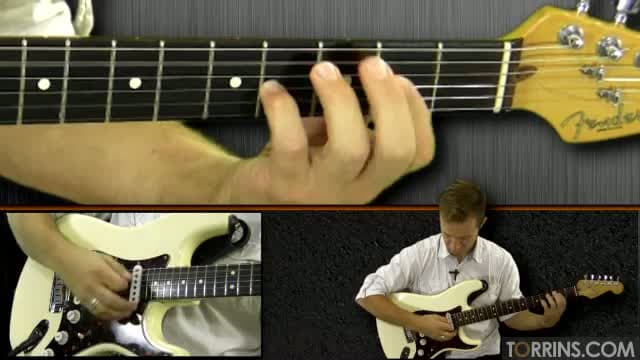
Torrins brings you an exciting guitar lesson "Wonderwall" by Oasis, taught by Mike McQuinn. This timeless classic is a must-learn for any guitarist, helping you master chord variations, strumming patterns, and how to play and sing simultaneously. Mike breaks down this song lesson into multiple lessons for easy learning - Introduction, Chords and Strumming, Sing and Play and Song Demo.
Fun Fact: In October 2020, "Wonderwall" became the first song from the 1990s to surpass one billion streams on Spotify. Today, it ranks as the second most-streamed song from that decade, following Nirvana's "Smells Like Teen Spirit”.
Chords Used in Wonderwall Guitar Lesson: The song is built around five essential chord patterns, which you’ll learn in detail in the song lesson. Some of the chords that make up this song are: G, Em7, Dsus4, A7Sus4, Cadd9. Tune in to the lesson to learn the rest.
One chord pattern includes a walk-down pattern for smooth transitions.
All chords are played with a capo on the 2nd fret
Strumming Pattern The primary strumming pattern is:
- DDUDUDDUDUDD (Repeats UDUDD three times and ends with UD)
- An alternate strumming pattern is used in the walk-down chord section—learn the difference in the lesson!
Song Structure & Breakdown This lesson is divided into multiple sections for easy learning:
- Introduction: This section has an overview of the lesson structure and key techniques.
- Chords & Strumming: This section includes all the chords used in this song, and Mike shares the five essential chord patterns that make up this song. He demonstrates how to transition smoothly. The song finishes with a repetitive lead part—Mike explains how to master it effortlessly. He shares tips to master the rhythm of the song.
- Sing & Play: Mike teaches how to coordinate vocals with guitar playing, gearing you up for jamming sessions!
- Song Demo: The song lesson ends with a full demonstration of the song to tie everything together.
Tip: Follow along with the Tabs provided with the song lesson for quick and effective learning.
Why Learn Wonderwall?
- Learning this song will help you improve chord transition and variation skills.
- It will also help you master rhythm consistency with its distinct strumming pattern.
- It will enhance your ability to play and sing simultaneously.
FAQs – Wonderwall Guitar Lesson
Q1. Is this song beginner-friendly?
Ans- Yes! The chords are slight variations to basic chords and are used repetitively, making it a great song for all skill levels.
Q2. Do I need a capo?
Ans- Yes, the song is played with a capo on the 2nd fret to match the original key.
Q3. How do I improve my strumming for this song?
Ans- Focus on maintaining a relaxed wrist and practice the primary strumming pattern slowly before speeding up.